
History of Science - CrashCourse
In 46 episodes, Hank Green teaches you the history of science! This course is based on the 2nd and 3rd edition of Science & Technology in World History by McClellan & Dorn.

Life Science and Biology Year in Review - Cells, Genetics, Evolution, Symbiosis, Biomes, Classification
Comprehensive review of life science fundamentals: cells, genetics, evolution, body systems, ecology, and classification. Covers key concepts for a solid understanding of biology.
CSIR NET Problems and Answers
Comprehensive video series explaining CSIR NET life sciences exam problems, covering molecular biology, genetics, biochemistry, and cell biology. Includes step-by-step solutions and practical applications of key concepts.
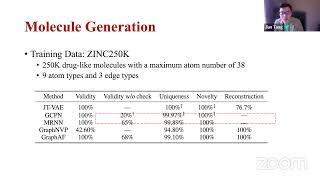
Geometric Deep Learning for Drug Discovery
Explore geometric deep learning techniques for drug discovery, covering graph neural networks, molecule generation, and retrosynthetic prediction. Gain insights into cutting-edge research and applications in pharmaceutical development.
Deep Learning and Diabetic Retinopathy by Rajiv Raman
Explore deep learning applications in diabetic retinopathy detection, enhancing early diagnosis and treatment of this sight-threatening condition through advanced image analysis techniques.
Artificial Intelligence in OBGYN Ultrasound by Suresh Seshadri
Explore AI applications in OBGYN ultrasound imaging, focusing on advanced techniques for improved diagnosis and patient care in obstetrics and gynecology.
Brain in a Dish - Advancing Understanding of Neurological Disorders
Explore neural engineering's advancements in understanding complex neurological disorders through brain-in-a-dish technology, intracellular sensors, and interdisciplinary collaboration.
Prospects for an HIV Vaccine and Cure
Exploring HIV vaccine and cure prospects, this lecture covers epidemic status, molecular approaches, challenges, and potential breakthroughs in HIV research and treatment strategies.
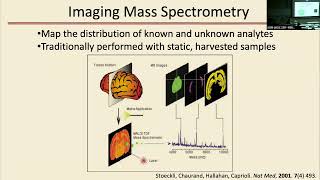
Spatial SILAC - Developing Isotopic Zip Codes for Drug Development in 3D Cell Cultures
Explore innovative drug development techniques using Spatial SILAC in 3D cell cultures, presented by Prof. Amanda Hummon from Ohio State University.
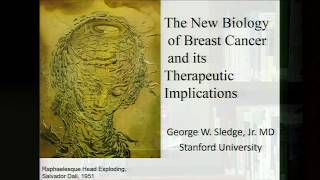
New Biology of Breast Cancer and Its Therapeutic Implications
Explore the latest advancements in breast cancer biology, including disease subtypes, targeted therapies, and immunotherapy approaches, with insights on ongoing research and clinical trials.
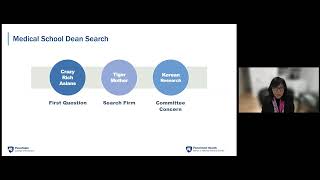
Addressing the Asian Leadership Paradox in Healthcare and Research
Strategies to address the Asian leadership paradox in healthcare, focusing on research inclusion, career advancement, and creating inclusive environments. Insights from Dr. Karen Kim's personal journey and leadership perspective.

Artificial Intelligence - The Future of Medicine and Health Care Is Here
Explore AI's transformative impact on healthcare through Stanford Medicine's innovations, including automated transcription and augmented reality in surgery, guided by responsible AI principles.

Deep Learning in Life Sciences - Spring 2021
Explore cutting-edge applications of deep learning in genomics, drug design, protein folding, pathology, and neuroscience. Gain insights into AI's transformative potential in life sciences research and healthcare.
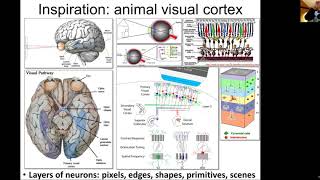
MIT Deep Learning in Life Sciences Spring 2020
Explore deep learning applications in genomics, from neural networks to single-cell analysis. Gain insights into regulatory genomics, epigenomics, and genetics through advanced computational techniques.

Biomedical Engineering Applications in Cancer Diagnosis and Treatment - Lecture 24
Explore biomedical engineering's role in cancer diagnosis and treatment, from tumor biology to drug development, highlighting challenges and opportunities for innovation in the field.

Cell Communication and Immunology - Frontiers of Biomedical Engineering
Explore cell communication mechanisms, receptor-ligand interactions, and signal transduction pathways. Learn about drug development applications and different types of cellular signaling.
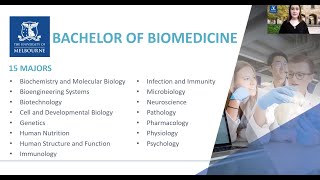
Biomedicine and Beyond: A Student’s Perspective
Graduates share insights on studying Biomedicine, discussing subjects, career paths, research opportunities, and valuable tips for prospective students in this informative panel discussion.
Using Computation to Drive the Self-Assembly of Complex Structures
Explore computational approaches for driving self-assembly of complex structures, unlocking new possibilities in materials science and nanotechnology.
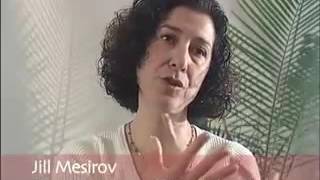
Darwin's Extra Sense - Mathematics in Life Sciences
Explore how modern mathematics enhances our understanding of life sciences, bringing an "extra sense" to biological research as envisioned by Charles Darwin.
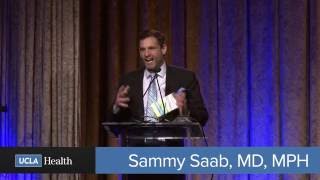
Hepatitis C – Vanishing Disease? - Sammy Saab, MD, MPH | UCLA Digestive Diseases
Explore the evolving landscape of Hepatitis C treatment, including decreasing prevalence, new therapies, special populations, and future predictions for this potentially vanishing disease.
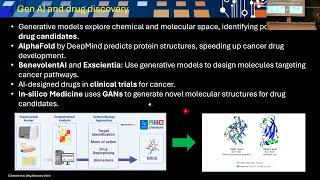
Revolutionizing Medicine with Generative AI: From Data to Discovery
Explore the transformative potential of generative AI in medicine through this 24-minute conference talk delivered by Ali Mahdipour Shirayeh from Princess Margaret Cancer Center, University Health Network. Delve into the cutting-edge applications of AI t…