Microbiology - Prions, Viruses, Bacteria, Fungi & Parasites
Comprehensive overview of microscopic organisms, covering prions, viruses, bacteria, fungi, and parasites. Explores their biology, mechanisms, and impact on human health.

Fish Circulatory System - Biology
Comprehensive exploration of fish circulatory systems, covering anatomy, blood flow, and physiological adaptations. Ideal for biology students preparing for exams or seeking in-depth understanding.
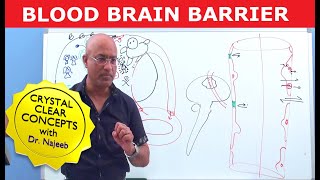
Blood Brain Barrier - Structure & Function
Comprehensive exploration of the blood-brain barrier's structure and function, covering its role in the central nervous system, components like endothelial cells and tight junctions, and its significance in brain protection.
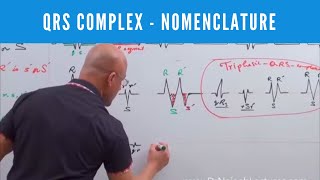
ECG - QRS Complex in EKG - Nomenclature - Electrocardiography - Cardiology
Comprehensive exploration of QRS complex in ECG, covering nomenclature, wave types, and labeling principles for accurate electrocardiogram interpretation in cardiology.

ELISA Test - Direct, Indirect & Sandwich
Comprehensive exploration of ELISA techniques: direct, indirect, and sandwich methods. Covers principles, procedures, advantages, and applications in medical diagnostics and research.
Picmonic Microbiology - Pseudomonas, Proteus & Salmonella - Gram-Negative Rods
Explore key gram-negative rods: Pseudomonas, Proteus, and Salmonella. Learn their characteristics, associated diseases, and clinical significance through animated mnemonics and engaging content.
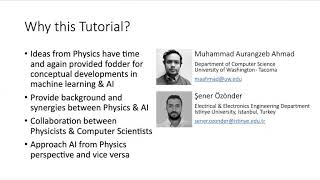
KDD 2020: Physics Inspired Models in Artificial Intelligence
Explore the intersection of physics and AI, covering paradigms, generalization, complexity, interpretability, and physics-informed neural networks. Gain insights into the synergy between these fields.

Glaucoma - Open-Angle, Closed-Angle, Symptoms, Pharmacology, Pathophysiology Nursing NCLEX
Comprehensive overview of glaucoma, covering types, pathophysiology, treatments, and nursing considerations. Includes medication details, surgical options, and patient education for NCLEX preparation.
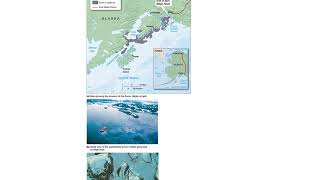
Marine Pollution Lecture
Comprehensive overview of marine pollution types, sources, and impacts, covering oil spills, chemical contaminants, sewage, plastics, and environmental regulations.
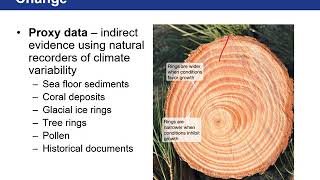
Climate Change
Explore Earth's climate system, natural and human-caused changes, greenhouse effects, and future scenarios. Understand climate data, global warming impacts, and ocean changes.
Implementation Guidance for Carcinomas and Mucinous Neoplasms of the Appendix
Guidance on histopathological reporting of appendiceal carcinomas and mucinous neoplasms, covering classification, staging, and challenging cases for pathologists.
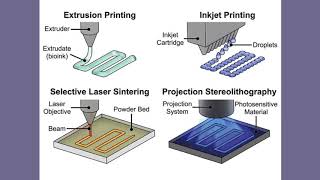
3D Bioprinting of Organs Part 1 - MRS OnDemand Webinar
Explore 3D bioprinting for organ fabrication, focusing on extrusion techniques, challenges, and strategies for creating functional tissue constructs with clinical applications.

Chemical Kinetics - Initial Rates Method
Learn to calculate reaction rates, identify rate law expressions, and determine rate constants in this comprehensive introduction to chemical kinetics, with practical examples and problem-solving techniques.

Nuclear Chemistry and Radioactive Decay Practice Problems
Comprehensive introduction to nuclear chemistry, covering radioactive decay, nuclear equations, and particle identification with practice problems and examples.
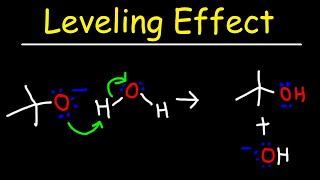
The Leveling Effect - Acids and Bases - Organic Chemistry
Explore the leveling effect in acid-base reactions, focusing on its impact on acid and base strength in different solvents. Learn practical applications and pKa comparisons in organic chemistry.
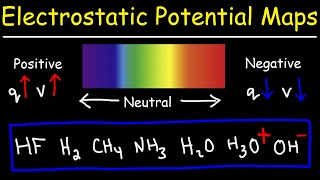
Electrostatic Potential Maps and Bond Polarity - Organic Chemistry
Learn to interpret electrostatic potential maps, determine molecular polarity, and analyze charge distribution in atoms and molecules. Enhance your understanding of organic chemistry concepts.
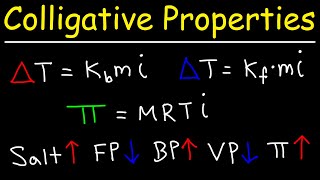
Colligative Properties - Boiling Point Elevation, Freezing Point Depression & Osmotic Pressure
Explore colligative properties: boiling point elevation, freezing point depression, and osmotic pressure. Learn calculations for solution properties and solute molar mass determination.
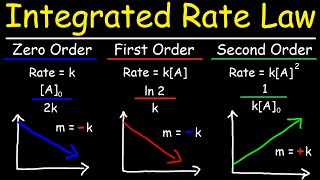
Integrated Rate Laws - Zero, First, and Second Order Reactions - Chemical Kinetics
Comprehensive introduction to chemical kinetics, covering integrated rate laws for zero, first, and second-order reactions. Includes problem-solving techniques for rate constants, concentrations, and half-life calculations.

Cardiovascular - Electrophysiology - Intrinsic Cardiac Conduction System
Comprehensive exploration of the heart's intrinsic conduction system, covering key components and their roles in cardiac electrophysiology. Ideal for medical students and healthcare professionals.

Anatomical Orientation and Regional - Directional Terminology
Comprehensive overview of anatomical orientation, regional, and directional terminology using a skeleton model. Covers axial and appendicular skeletons, enhancing understanding of human body structure.

Regulation of Breathing - Respiratory Centers - Part 1
Explore higher functioning respiratory centers with Professor Zach Murphy, covering pneumotoxic center, ataxic center, and dorsal and ventral respiratory groups in breathing regulation.