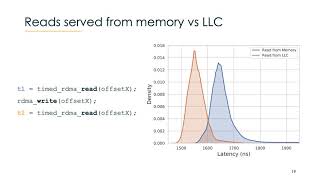
NetCAT - Practical Cache Attacks from the Network
Reverse engineering DDIO to demonstrate NetCAT, a network-based cache attack enabling remote keystroke timing attacks and covert channels, highlighting security risks in modern Intel processors.
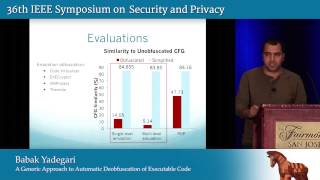
A Generic Approach to Automatic Deobfuscation of Executable Code
Explore a generic approach to automatically deobfuscate executable code, applicable to various obfuscation techniques. Learn about semantics-preserving transformations and their effectiveness in extracting internal logic from obfuscated malware.

Malware Analysis With Ghidra - Stuxnet Analysis
Explore Ghidra's features for malware analysis through a hands-on examination of Stuxnet, demonstrating reverse engineering techniques and tool capabilities.

STL File Editing is Finally Easy with Fusion 360's New Parametric Mesh Workspace
Discover Fusion 360's new parametric mesh workspace for easy STL file editing, mesh repair, and conversion to solid bodies. Learn advanced techniques for seamless integration of engineered features with existing mesh bodies.

Meshing Around - How Fusion 360's Parametric Mesh Workspace Sets the Bar for Mesh Editing
Explore Fusion 360's parametric mesh workspace for advanced mesh editing, repair, and conversion. Learn to modify STL files, hollow meshes, and seamlessly integrate engineered features with existing mesh bodies.
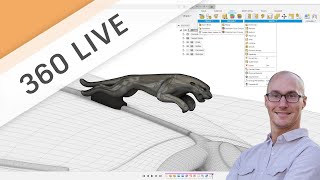
Deep Dive into the New Parametric Mesh Editing and Reverse Engineering Tools
Explore Fusion 360's new parametric mesh workspace, featuring enhanced editing, reverse engineering, and solid conversion capabilities. Learn advanced tools for mesh repair, feature addition, and complex model manipulation.

Hacker101 - Android Quickstart
Learn essential Android app hacking concepts, tools, and techniques in this quick guide. Explore APK structure, emulators, decompilation, and security testing methods for successful mobile app penetration testing.

Fun with Frida on Mobile - Leveraging Dynamic Analysis Tools
Explore Frida for mobile app analysis: trace functions, examine memory, bypass security. Practical examples for iOS and Android, including SSL pinning bypass and custom tool creation.

iPhone Baseband Research and Reversing - Security Insights and Techniques
Explore iPhone baseband internals, research techniques, and tools for firmware analysis, reversing, and exploitation. Gain insights into Qualcomm baseband architecture and vulnerabilities.
Hardware Hacking for the Masses - Version 2
Explore hardware hacking basics, areas, and entry points with hands-on demos. Learn essential concepts and discover resources for further practice in this engaging introduction to breaking and understanding hardware.
Finding and Exploiting Hidden Functionality in Windows DLLs - LevelUpX Series 14
Explore hidden Windows DLL functionality, common bug patterns, and exploitation techniques for bug bounty hunters. Learn tools and methods to uncover vulnerabilities in web servers and network services.
SPI Flash Extraction for Bug Bounty Hunters - LevelUpX Series 13
Hands-on guide to extracting SPI flash contents from hardware devices, focusing on techniques and tools for bug bounty hunters to uncover valuable data and impactful vulnerabilities.

ARM-X Emulator: Open Source CPU Architecture Emulation
Explore the open-source ARM-X CPU architecture emulator, learning its features and applications for security research and embedded systems development.

Hacking Hardware - Samy Kamkar
Explore hardware hacking techniques, from credit card manipulation to wireless keyboard emulation, with insights on cryptography, fault injection, and firmware reverse engineering tools.
Back to the Core - Exploring Fundamental Security Concepts
Explore advanced techniques for analyzing and exploiting core system vulnerabilities in this in-depth security presentation from SyScan'15 Singapore.
Breaking Antivirus Software - Security Vulnerabilities and Exploits
Explore techniques for exploiting vulnerabilities in antivirus software, uncovering potential security flaws and weaknesses in these critical defense systems.

Recon Brussels 2018 - Starcraft: Emulating a Buffer Overflow for Fun and Profit
Explore reverse engineering techniques used to emulate a buffer overflow in StarCraft, addressing challenges in preserving popular mods while enhancing game security.
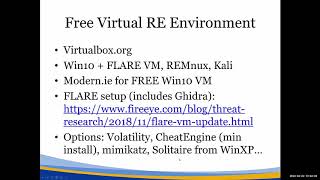
Reverse Engineering for Ethical Hackers
Explore ethical hacking through reverse engineering techniques, from basic tools to advanced Python methods. Learn practical skills for cybersecurity and ethical hacking in this comprehensive tech talk.
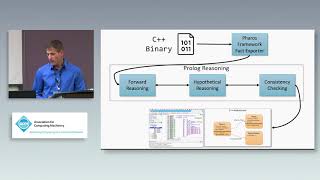
Using Logic Programming to Recover C++ Classes and Methods from Compiled Executables
Innovative system for recovering C++ abstractions from executables, enhancing reverse engineering capabilities through logic programming and static analysis techniques.
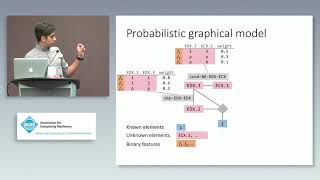
Debin: Predicting Debug Information in Stripped Binaries
Innovative machine learning approach for predicting debug information in stripped binaries, enhancing analysis capabilities for security professionals and reverse engineers.
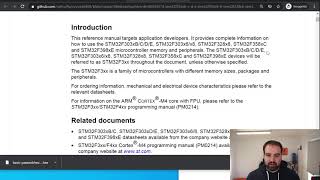
Ghidra Setup and Intro
Learn to set up and use Ghidra, a powerful reverse engineering tool. Explore file import, code browsing, decompilation, and memory mapping through hands-on examples.