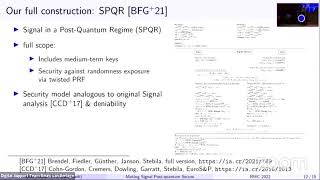
Secure Messaging
Explore secure messaging principles, challenges, and innovations with expert insights on encryption, surveillance prevention, and system vulnerabilities.
Reverse Engineering with Ghidra
Explore software reverse engineering fundamentals, x86_64 architecture, and Ghidra basics in this comprehensive introduction to analyzing and understanding compiled code.

Replicating a Secure Telephone Key
Reverse engineering and replicating a secure telephone key: from mechanical design to electrical reproduction, overcoming manufacturing challenges for the Motorola Sectel 9600.
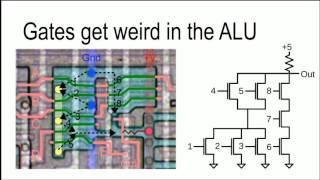
Reading Silicon - How to Reverse Engineer Integrated Circuits
Explore integrated circuit reverse engineering with Ken Shirriff. Learn techniques to decipher chip layouts, from classic processors to analog components, using die photos and analysis methods.
Reverse Engineering with Ghidra - Class 4
Explore advanced Ghidra features: external libraries, patch diffing, checksums, memory management, PCODE, SLEIGH, extensions, and scripting for enhanced reverse engineering capabilities.
Reverse Engineering with Ghidra - Class 3
Explore advanced reverse engineering techniques using Ghidra, covering structs, pointers, enums, system calls, and file operations. Gain practical tips for efficient analysis and code manipulation.
Reverse Engineering with Ghidra
Dive deep into assembly language concepts for reverse engineering, covering control flow, loops, variables, functions, and memory management using the Ghidra software suite.
Code Forensics - Analyzing High-Level Languages and Compilers
Explore code forensics techniques for analyzing high-level languages, compilers, and architectures. Learn debugging and tracing methods to uncover hidden software behaviors and vulnerabilities.
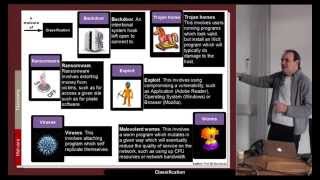
Malware Creation and Detection - Lecture 2 April 2015
Explore malware types, analysis methods, and detection techniques in this comprehensive lecture on cybersecurity threats and defenses.
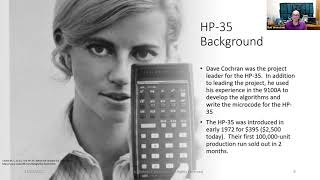
Remoticon 2021 - Rob Weinstein Builds an HP-35 from the Patent Up
Explore the reverse engineering of the revolutionary HP-35 calculator, from patent analysis to FPGA implementation. Gain insights into its groundbreaking design and inner workings.
Remoticon 2021 - Joey Castillo Teaches Old LCDs New Tricks
Discover how to hack and customize LCD displays for battery-powered projects, from understanding their functionality to manufacturing your own custom designs.
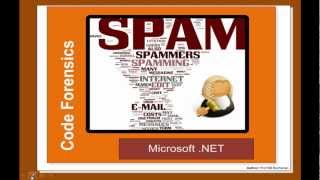
Code Forensics - Techniques and Tools for Digital Investigation
Explore code forensics techniques, from high-level languages to virtualization, obfuscation, and network analysis. Learn practical skills for investigating and analyzing software systems.

Live Breaking into Encrypted 3D Printer Firmware
Hands-on workshop on breaking encrypted 3D printer firmware, covering techniques like frequency analysis, known-plaintext attacks, and ARM architecture exploitation using tools such as Matplotlib and SciPy.
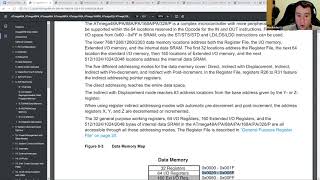
AVR- Architecture, Assembly & Reverse Engineering
Explore AVR architecture, assembly, and reverse engineering, focusing on data space, I/O operations, MAX7219 functionality, and implementing a Simon Says game in pure assembly.

AVR - Architecture, Assembly & Reverse Engineering Class 3
Explore AVR architecture, assembly language, and reverse engineering techniques. Learn essential instructions, bitwise operations, and function calling conventions for microcontroller programming.
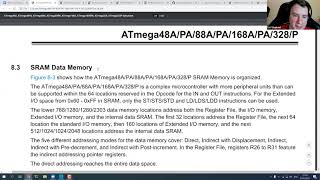
AVR- Architecture, Assembly & Reverse Engineering
Explore AVR microcontroller architecture, assembly programming, and reverse engineering techniques. Learn about memory spaces, GPIO registers, interrupts, and timers in this hands-on class.

Malware Analysis 101: N00b to Ninja in 60 Minutes - Lecture 4
Learn essential malware analysis techniques, from basic concepts to advanced methods, in this comprehensive tutorial designed to rapidly enhance your cybersecurity skills.

Evading Code Emulation - Writing Ridiculously Obvious Malware That Bypasses AV
Learn techniques for creating malware that evades antivirus detection through code emulation bypass, presented by Kyle Adams at BSidesLV 2014.
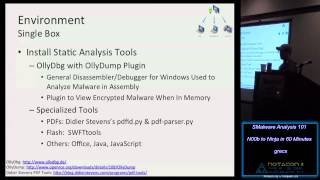
Malware Analysis 101: From Novice to Expert in 60 Minutes
Learn essential malware analysis techniques, from basic to advanced, to enhance your cybersecurity skills and protect against digital threats.
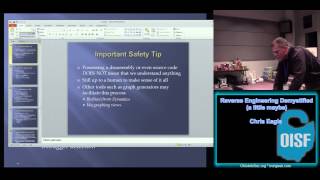
Reverse Engineering Demystified - OISF 2013
Explore reverse engineering techniques, from source code analysis to binary disassembly. Learn about vulnerability discovery, static and dynamic approaches, and overcoming obstacles in software analysis.
Malware Analysis Triage for Beginners
Learn essential techniques for initial malware analysis, including static and dynamic analysis methods, to quickly assess potential threats and determine next steps.