Gastrointestinal Physiology - The Ultimate Quick Review
Comprehensive overview of GI physiology, covering processes from chewing to elimination. Explores digestive organs, enzymes, hormones, and key physiological mechanisms for optimal understanding.

Ventilation, Compliance and Lung Pressures - Respiratory Physiology - Pulmonology
Comprehensive exploration of respiratory mechanics, covering lung volumes, capacities, pressures, and compliance. Ideal for medical students and healthcare professionals studying pulmonary physiology.
Pathophysiology of Gastrointestinal Diseases and Gastrointestinal Reflexes
Explore gastrointestinal pathophysiology and reflexes, focusing on digestive system disorders, liver and pancreas function, and conditions like lactose intolerance and vomiting.
Vomiting - How Does It Protect You?
Explore the protective function of vomiting, its reflex mechanism, and the role of the chemotactic trigger zone in the medulla. Learn about antiemetics and related gastrointestinal physiology.
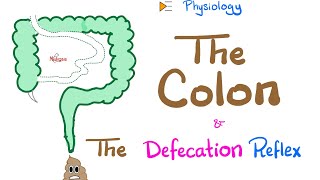
The Colon and The Defecation Reflex - Gastrointestinal Physiology
Explore colon anatomy and the defecation reflex in this comprehensive gastrointestinal physiology video, covering key structures and mechanisms of the large intestine.
Bilirubin Metabolism and Jaundice - Gastrointestinal Physiology and Pathology
Comprehensive overview of bilirubin metabolism and jaundice, covering types, causes, and physiological processes. Ideal for medical students seeking in-depth understanding of gastrointestinal pathology.

Urine Osmolality and Urine Osmolar Gap - ADH, Labs, Clinical Pathology and Pathophysiology
Explore urine osmolality, osmolar gap, and antidiuretic hormone's role in clinical pathology. Learn about supraoptic nucleus, paraventricular nuclei, and vasopressin receptors for enhanced lab interpretation skills.

Cardiovascular Physiology - Pressure-Volume Loops, Cardiac Cycle, ESV, EDV, SV, CO, Starling Law
Comprehensive exploration of cardiovascular physiology, covering pressure-volume loops, cardiac cycle, and key metrics like ESV, EDV, SV, and CO. Includes Frank-Starling Law and concepts of preload, afterload, and compliance.
Small Intestine Motility and Secretions - GI Physiology
Explore small intestine motility and secretions in gastrointestinal physiology, focusing on digestion and absorption processes for a comprehensive understanding of GI function.

Gastric Motility and Receptive Relaxation - GI Physiology
Explore gastric motility, receptive relaxation, and the nervous system's role in stomach function. Learn about gastric emptying and hunger contractions in this comprehensive physiology lecture.

Gastrointestinal Motility - Propulsive Movements vs Mixing Movements
Explore gastrointestinal motility, including propulsive and mixing movements, the enteric nervous system, and related clinical conditions like Hirschsprung disease.
Slow Wave Potential, Basic Electrical Rhythm -BER- and Spike -Action- Potentials of Gut - Physiology
Explore gastrointestinal electrical activity: slow wave potentials, basic electrical rhythm, and spike potentials. Understand gut motility mechanisms and their physiological significance.

Gastrointestinal -GI- Physiology - The Basics - Introduction- - Physiology Series
Comprehensive introduction to gastrointestinal physiology, covering key concepts and functions of the digestive system for medical students and healthcare professionals.
Muscle Contraction, Muscle Fatigue, and Oxygen Debt - Biology and Physiology
Explore muscle contraction mechanisms, factors leading to fatigue, and the concept of oxygen debt. Gain insights into key physiological processes for medical exams and biology understanding.
Muscle Structure - Biology Series
Explore muscle histology, focusing on key structural components and their functions. Gain insights into muscle tissue organization for enhanced understanding of musculoskeletal biology.
Homeostasis Review - Kidney & Skin - Biology
Comprehensive review of homeostasis mechanisms in kidneys and skin, focusing on key physiological processes for maintaining body balance. Ideal for medical exam preparation.
Cardinal Signs of Inflammation
Explore the key indicators of inflammation, their underlying mechanisms, and clinical significance in disease diagnosis and treatment.
Uric Acid - Plasma
Comprehensive overview of uric acid plasma tests, covering significance, normal ranges, and clinical implications for diagnosing and managing gout and related conditions.

Sympathetic vs Parasympathetic Nervous System - Physiology
Explore the differences between sympathetic and parasympathetic nervous systems, including receptor types, neurotransmitters, and physiological effects on the body.

Parasympathetic Nervous System - Origin, Relay, and Response - ANS - Physiology
Explore the parasympathetic nervous system's origin, relay, and response mechanisms in this comprehensive overview of autonomic nervous system physiology.
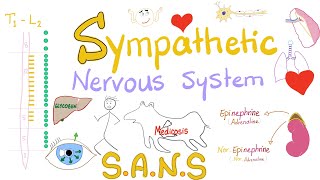
Sympathetic Nervous System - Fight and Flight - Origin, Relay, and Response - Physiology
Explore the sympathetic nervous system's origin, relay, and response mechanisms in this comprehensive physiology overview of the fight-or-flight response.