
Asthma Treatment, Symptoms, Pathophysiology, Nursing Interventions NCLEX Review Lecture
Comprehensive overview of asthma, covering pathophysiology, symptoms, triggers, and treatments. Includes nursing interventions, medication types, and management strategies for healthcare professionals and students.

Cirrhosis of the Liver Nursing Care Management Symptoms NCLEX
Comprehensive overview of cirrhosis, covering pathophysiology, symptoms, complications, and nursing care. Equips nurses with essential knowledge for managing patients with liver disease.
Kidney Stones - Nursing Lecture on Symptoms, Treatment, Causes NCLEX
Comprehensive overview of kidney stones, covering formation, types, causes, symptoms, and treatments. Includes nursing interventions and NCLEX exam preparation for healthcare professionals.
Commissural Alignment and TAVR - Structural and Hemodynamic Impact
Explore the structural and hemodynamic effects of commissural alignment in transcatheter aortic valve replacement (TAVR) procedures through detailed clinical insights and analysis.
Hemodynamic Reserve and Right Heart Failure Prediction After LVAD Implantation
Explore how hemodynamic reserve and right ventricular function serve as predictive indicators for post-LVAD right heart failure outcomes in cardiovascular patients.
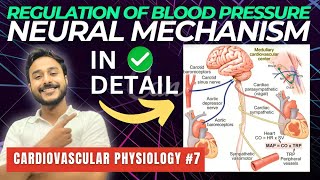
Regulation of Blood Pressure: Short-Term Physiological Mechanisms
Explore short-term blood pressure regulation mechanisms, including baroreceptors and neural control, to understand cardiovascular homeostasis maintenance.

Pneumonia
Comprehensive exploration of pneumonia covering causes, symptoms, diagnosis, and treatment. Includes practice cases and medical imaging analysis for in-depth understanding of this respiratory condition.

Case Study - Atrial Fibrillation
Interactive case study on diagnosing and managing atrial fibrillation, covering types, critical illness factors, treatment approaches, and ICU considerations. Led by Professor Zach Murphy.

Tubulointerstitial Disease - Pathophysiology, Causes, and Treatment
Delve into tubulointerstitial diseases, exploring pathophysiology, causes, and treatments of conditions like acute tubular necrosis, interstitial nephritis, and papillary necrosis through detailed medical explanations.
Cardiac Dysfunction in Aortic Valve Stenosis
Delve into the pathophysiology and clinical implications of cardiac dysfunction caused by aortic valve stenosis, exploring diagnostic approaches and treatment strategies.
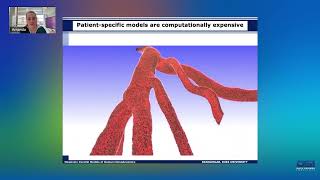
Using Data Science to Advance the Impact of Vascular Digital Twins in Medicine
Explore high-resolution digital twins of vascular anatomy to inform disease treatment. Learn how data science and physics-based modeling combine to address personalized medicine challenges.
Developing Vascular Digital Twins to Shift from Reactive to Proactive Care
Discover how digital twin technology revolutionizes healthcare through advanced vascular system simulations, enabling personalized treatment planning and early disease detection using high-performance computing.
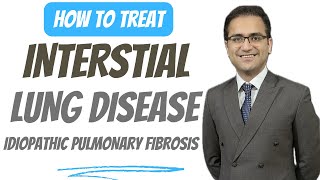
Restrictive Lung Disease and Idiopathic Pulmonary Fibrosis - Clinical Features, Types and Treatment
Explore the comprehensive pathophysiology, symptoms, and treatment approaches for restrictive lung diseases and idiopathic pulmonary fibrosis, with special focus on interstitial lung disease classification and clinical features.

What Coffee Does to Your Brain - Effects of Caffeine on Body and Mind
Discover how caffeine interacts with your brain chemistry, affects alertness, and impacts overall health through detailed anatomical explanations and scientific insights into safe consumption levels.

Cystic Kidney Disease - Pathophysiology, Diagnosis and Treatment
Delve into the comprehensive exploration of cystic kidney diseases, covering pathophysiology, diagnostic approaches, and treatment strategies for simple cysts, ADPKD, and ARPKD.
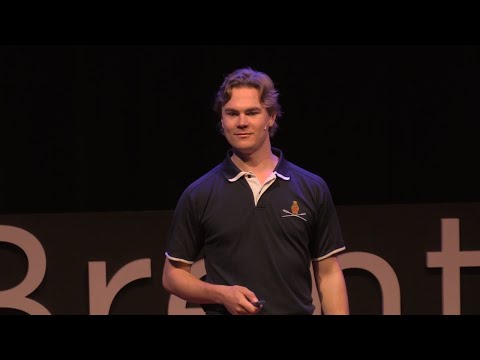
You can run 100 miles. Here's why. | Seth Moyer | TEDxBrentwoodCollegeSchool
Seth will be speaking about how every able-bodied human has the capacity to run 100 miles. He will support his claim with physiological concepts and evolutionary biology to show that our running capacity is much greater than we think. Seth is a former Division 1 lightweight rower, ultramarathon runn

Is Bladder Our Unsung Hidden Hero? | Dr. Sanjay Pandey | TEDxKharadi
This talk reframes the urinary bladder as a vital yet ignored organ that protects dignity, independence, and health. Drawing from decades of clinical experience, Dr. Pandey highlights common but overlooked bladder disorders, the cost of delayed awareness, and the need for early care. Through science