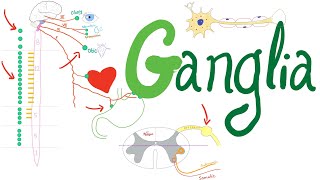
What's a Ganglion - Autonomic Nervous System - Physiology
Explora los ganglios del sistema nervioso autónomo, su estructura y función en la regulación de procesos fisiológicos involuntarios como la frecuencia cardíaca y la digestión.
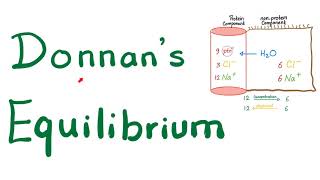
Donnan Equilibrium
Explore the Donnan Equilibrium concept, its effects on ion distribution across semipermeable membranes, and its significance in physiological processes.
The Science of Sleep - Circadian Rhythms and Health
Experts discuss sleep science, circadian rhythms, and their impact on health. Explore the physiological processes behind sleep and how disruptions affect well-being in this insightful debate.
Wet, Active Solids - Physics and Physiology by Suraj Shankar
Explore the physics and physiology of wet, active solids, examining their unique properties and applications in biological systems and nonequilibrium dynamics.
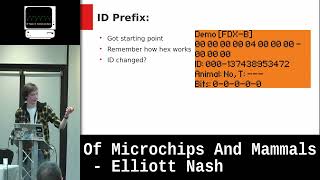
Of Microchips and Mammals
Explore the intersection of microchip technology and mammalian biology, uncovering innovative applications and potential ethical considerations in this thought-provoking presentation.

Acid-Base Disorders: Causes, Symptoms, and Treatment
Comprehensive exploration of acid-base disorders, covering causes, symptoms, and treatments for metabolic and respiratory imbalances. Includes clinical cases for practical application and exam preparation.
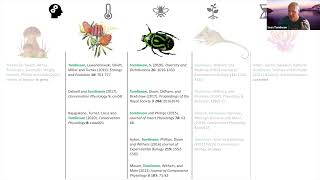
A Comparative Approach to Thermal Biology by Sean Tomlinson
Explore thermal biology through a comparative lens, examining how different organisms adapt to temperature variations and the implications for conservation efforts.

Body Fluid Compartments and IV Fluids - Types and Uses - Part 1
Comprehensive exploration of body fluid compartments, including intracellular and extracellular fluids, their distribution, and the types and uses of IV fluids in medical practice.
Gastrointestinal Motility - Understanding GI Tract Movement
Comprehensive exploration of gastrointestinal motility, covering the movement of food through the digestive system, associated disorders, and the unique functions of each part of the GI tract.
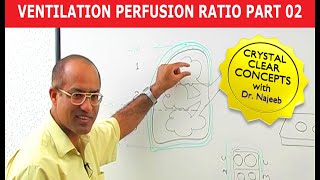
Ventilation-Perfusion Ratio - Part 2
Comprehensive exploration of ventilation-perfusion ratio, examining physiological factors affecting gas exchange in lungs and their clinical implications for respiratory function.
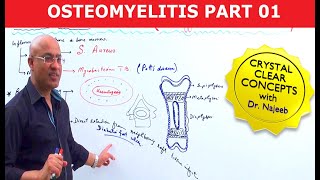
Osteomyelitis - Part 1
Comprehensive exploration of osteomyelitis, covering pathophysiology, diagnosis, and treatment approaches. Ideal for medical students and healthcare professionals seeking in-depth understanding of bone infections.

Type 1 Hypersensitivity Reactions - Immediate Allergic Reactions
Comprehensive exploration of Type 1 Hypersensitivity Reactions, covering pathophysiology, evaluation, and management of immediate allergic responses mediated by IgE, IgM, and IgG antibodies.
Types of Hypoxia - Respiratory, Hypoxemia, and Hypoxemic Conditions
Comprehensive exploration of hypoxia types, causes, and treatments, including oxygen therapy responses for various conditions affecting tissue oxygenation.
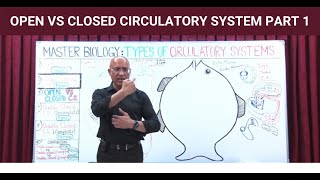
Open vs Closed Circulatory Systems - Biology
Comprehensive exploration of open and closed circulatory systems, comparing their structures, functions, and evolutionary significance. Ideal for NEET and GCSE biology exam preparation.

Autonomic Nervous System - Neurology and Neuroanatomy - Part 1
Comprehensive exploration of the autonomic nervous system, focusing on sympathetic division's anatomy, function, and effects on various body systems.

Respiratory System Anatomy: Pharynx, Larynx, Trachea, Bronchi, and Alveoli - Part 1
Comprehensive exploration of the respiratory system's anatomy and function, covering the pharynx, larynx, trachea, bronchi, and alveoli. Ideal for medical students and healthcare professionals seeking in-depth understanding.
Ventilation-Perfusion Ratio - Part 1
Comprehensive exploration of ventilation-perfusion ratio in respiratory physiology, covering fundamental concepts, calculations, and clinical implications for optimal gas exchange in the lungs.

Osteomyelitis - Causes, Symptoms, and Pathophysiology of Bone Infection
Comprehensive exploration of osteomyelitis, covering causes, symptoms, and pathophysiology. Discusses pyogenic and non-pyogenic infections, common pathogens, routes of entry, and specific conditions like Pott's disease and diabetic foot ulcers.
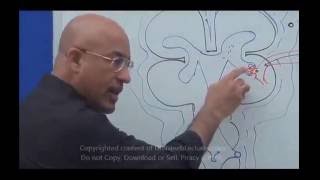
Acute Pyogenic Bacterial Meningitis - Part 3
Comprehensive exploration of acute pyogenic bacterial meningitis, covering advanced aspects of diagnosis, treatment, and management strategies for medical professionals and students.

Blood Brain Barrier - Part 1
Comprehensive exploration of the blood-brain barrier's structure, function, and significance in neurophysiology. Covers key concepts for medical students and healthcare professionals.

Synthesis of Steroid Hormones - Biosynthesis
Comprehensive exploration of steroid hormone biosynthesis, covering adrenal and sex hormones. Detailed explanation of chemical structures, pathways, and physiological functions for medical students and professionals.