Medical Physiology
Comprehensive exploration of human body systems, from cellular mechanisms to organ functions, covering cardiovascular, respiratory, renal, endocrine, gastrointestinal, and reproductive physiology.

Regulation of Breathing - Respiratory Centers - Part 1
Explore higher functioning respiratory centers with Professor Zach Murphy, covering pneumotoxic center, ataxic center, and dorsal and ventral respiratory groups in breathing regulation.
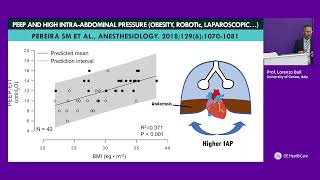
Intraoperative Ventilation: How to Be Protective?
Gain insights into protective intraoperative ventilation strategies and best practices with expert guidance from Prof. Lorenzo Ball in this educational session.
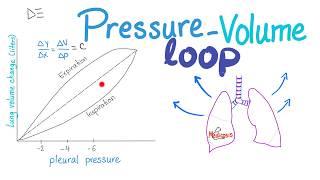
Pressure-Volume Loops - Compliance - Respiratory Physiology
Explore pressure-volume loops, pulmonary compliance, and respiratory physiology in this concise tutorial. Gain insights into lung expansion, surface tension, and the work of breathing.

Airway Resistance and Dead Space - Respiratory Physiology
Explore airway resistance and dead space in respiratory physiology, covering bronchial resistance, collapsing pressure, and ventilation types for a comprehensive understanding of lung function.
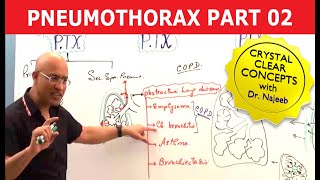
Pneumothorax - Basic Pathology Part 2
Comprehensive exploration of pneumothorax pathology, covering causes, types, symptoms, and treatment approaches. Ideal for medical students and healthcare professionals seeking in-depth understanding.

Heart Failure and the Lungs
Explore the intricate relationship between heart failure and lung function, gaining insights into diagnosis, management, and treatment strategies.
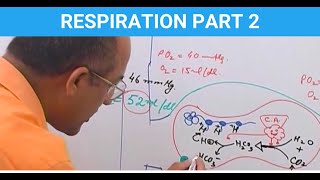
Respiration - Transport of Carbon Dioxide in Blood & Body Fluids - Part 2
Detailed exploration of carbon dioxide transport in blood, covering mechanisms, forms, and physiological effects. Includes discussions on Bohr and Haldane effects, and hemoglobin's multifaceted roles.
Spirometry - Lung Volumes and Capacities - Respiratory System
Comprehensive exploration of lung volumes, capacities, and spirometry, covering key respiratory concepts, measurement techniques, and clinical implications for various age groups and conditions.

Flow Volume Loops - Pulmonary Medicine
Comprehensive exploration of flow-volume loops in pulmonary medicine, distinguishing obstructive and restrictive lung diseases through respiratory physiology analysis.

Lung Pressures - Intrapulmonary, Intrapleural and Transmural Pressures - Lung Physiology
Explore lung pressures, including intrapulmonary, intrapleural, and transmural pressures. Understand their roles in breathing mechanics and impact on venous return to the heart.

Lung Physiology Basics - Normal Quiet Breathing
Explore lung mechanics, including inspiration and expiration processes, muscle actions, and pressure changes during normal quiet breathing. Learn key concepts in pulmonary physiology.
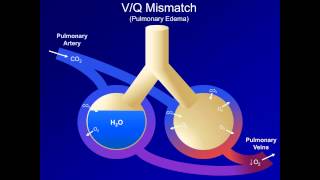
Hypoxia and Hypoxemia: Mechanisms and Etiologies - ABG Interpretation
Comprehensive review of hypoxemia mechanisms, including diffusion impairment, V/Q mismatch, and shunting. Explores etiologies and radiographic patterns for enhanced understanding of gas exchange abnormalities.
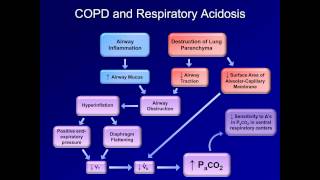
Respiratory Acidosis - ABG Interpretation
Explore respiratory acidosis, its causes, and physiological mechanisms. Learn about ventilation control, alveolar equations, and conditions like COPD and obesity hypoventilation syndrome.
Respiratory Acidosis
Comprehensive exploration of respiratory acidosis, covering causes, physiological mechanisms, and treatment approaches. Ideal for medical students and healthcare professionals seeking in-depth understanding.
Respiratory - External Respiration- Thickness & Surface Area of Respiratory Membrane
Explore external respiration, focusing on respiratory membrane thickness and surface area. Learn about factors affecting gas exchange efficiency and related medical conditions.

Respiratory - External Respiration: Ventilation Perfusion Coupling
Explore external respiration and ventilation-perfusion coupling, focusing on how ventilation and perfusion change from lung apex to base and their impact on gas exchange efficiency.
Respiratory - Regulation of Breathing: Factors Influencing Rate and Depth
Explore factors influencing respiratory rate and depth, including stretch receptors, reflexes, and various receptors in the respiratory system. Gain insights into the complex regulation of breathing.

Respiratory - Surface Tension and Surfactant in Alveoli
Explore surface tension and surfactant in alveoli, their impact on lung function, and related pathologies like infant respiratory distress syndrome in this comprehensive lecture.
Respiratory - Regulation of Breathing: Central & Peripheral Chemoreceptors
Explore central and peripheral chemoreceptors in breathing regulation. Learn about their roles, locations, and mechanisms for maintaining respiratory homeostasis.

Respiratory - Spirometry: Lung Volumes & Capacities
Comprehensive explanation of spirometry, lung volumes, and capacities. Learn key respiratory measurements and their significance in assessing lung function and diagnosing respiratory conditions.