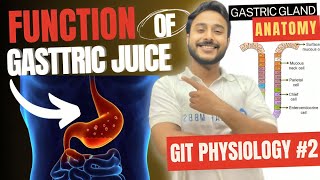
Gastric Juice Physiology and Function in Gastrointestinal System
Explore gastric juice composition, secretion phases, and functions in digestive physiology. Learn about acid production, enzyme activity, and regulatory mechanisms.
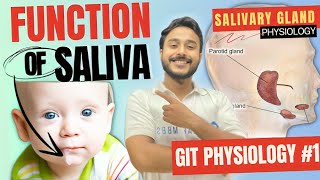
Gastrointestinal Physiology: Salivary Gland Function and Saliva Composition
Explore salivary gland physiology, saliva composition, and its crucial functions in digestion and oral health. Learn about secretion mechanisms and physiological roles.

Salivation - Salivary Glands: Parotid, Submandibular, Sublingual - GI Physiology
Comprehensive exploration of salivary glands, their functions, and related physiological processes. Covers major glands, innervation, and clinical implications like dry mouth and pancreatitis.

Gastrointestinal Secretions - Hormones - GI Physiology Series
Comprehensive overview of gastrointestinal hormones and their roles in digestive system physiology, ideal for medical exam preparation and understanding endocrine functions in the alimentary canal.
What Your Stomach Makes - Gastric Secretions - GI Physiology
Comprehensive exploration of gastric secretions, covering exocrine and endocrine functions, acid production mechanisms, and related physiological processes in the stomach.
Pancreatic Enzymes and Hormones - Exocrine vs Endocrine - Gastrointestinal Physiology Lectures
Comprehensive overview of pancreatic function, exploring exocrine and endocrine roles, digestive enzymes, and hormones like insulin and glucagon. Ideal for medical students and professionals.
GI Motility of the Large Intestine
Explore the physiology of large intestine motility, including strong contractions, mass movements, stretch receptors, and the defecation reflex in this comprehensive lecture.

Gastrointestinal - Digestion and Absorption of Lipids
Comprehensive exploration of lipid digestion and absorption in the gastrointestinal tract, covering key processes and mechanisms for a deeper understanding of nutritional biochemistry.

Gastrointestinal - Deglutition (Swallowing)
Comprehensive exploration of swallowing physiology, covering oral, pharyngeal, and esophageal phases. Detailed examination of muscle function, bolus formation, and peristalsis in the digestive process.

Gastrointestinal - Gastric Secretion: The Cephalic & Gastric Phase
Comprehensive exploration of gastric secretion, focusing on cephalic and gastric phases. Detailed examination of parietal and chief cells, and the process of HCl acid production in the stomach.

Gastrointestinal - Gastric Secretion: The Intestinal Phase
Explore the intestinal phase of gastric secretion, focusing on key hormones, cell types, and physiological processes involved in regulating digestive functions.
Gastrointestinal Physiology - The Ultimate Quick Review
Comprehensive overview of GI physiology, covering processes from chewing to elimination. Explores digestive organs, enzymes, hormones, and key physiological mechanisms for optimal understanding.
Vomiting - How Does It Protect You?
Explore the protective function of vomiting, its reflex mechanism, and the role of the chemotactic trigger zone in the medulla. Learn about antiemetics and related gastrointestinal physiology.
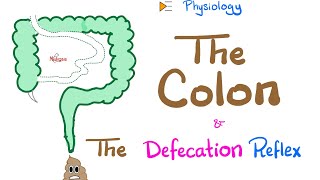
The Colon and The Defecation Reflex - Gastrointestinal Physiology
Explore colon anatomy and the defecation reflex in this comprehensive gastrointestinal physiology video, covering key structures and mechanisms of the large intestine.
Bilirubin Metabolism and Jaundice - Gastrointestinal Physiology and Pathology
Comprehensive overview of bilirubin metabolism and jaundice, covering types, causes, and physiological processes. Ideal for medical students seeking in-depth understanding of gastrointestinal pathology.
Small Intestine Motility and Secretions - GI Physiology
Explore small intestine motility and secretions in gastrointestinal physiology, focusing on digestion and absorption processes for a comprehensive understanding of GI function.

Gastric Motility and Receptive Relaxation - GI Physiology
Explore gastric motility, receptive relaxation, and the nervous system's role in stomach function. Learn about gastric emptying and hunger contractions in this comprehensive physiology lecture.

Gastrointestinal Motility - Propulsive Movements vs Mixing Movements
Explore gastrointestinal motility, including propulsive and mixing movements, the enteric nervous system, and related clinical conditions like Hirschsprung disease.
Slow Wave Potential, Basic Electrical Rhythm -BER- and Spike -Action- Potentials of Gut - Physiology
Explore gastrointestinal electrical activity: slow wave potentials, basic electrical rhythm, and spike potentials. Understand gut motility mechanisms and their physiological significance.

Gastrointestinal -GI- Physiology - The Basics - Introduction- - Physiology Series
Comprehensive introduction to gastrointestinal physiology, covering key concepts and functions of the digestive system for medical students and healthcare professionals.
Gastrointestinal Motility - Understanding GI Tract Movement
Comprehensive exploration of gastrointestinal motility, covering the movement of food through the digestive system, associated disorders, and the unique functions of each part of the GI tract.