
Physiology
Comprehensive exploration of human body systems, covering anatomy, physiology, and key processes from cellular to organ level, with focus on homeostasis and clinical applications.
Pleural Diseases - Pleural Effusion, Atelectasis, Pneumothorax, Tension Pneumothorax
Comprehensive exploration of pleural diseases including effusion, atelectasis, and pneumothorax. Covers pathophysiology, diagnosis, and treatment, with practice cases for applied learning.
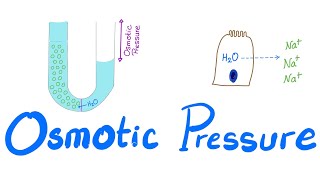
Osmotic Pressure - Physiology
Explore osmotic pressure in physiology, covering definition, measurement, and clinical relevance. Gain insights into this crucial biological process and its applications in medicine.

Opening Doors Worldwide Through Medical Science - ICE 2016 Keynote Presentation
Nobel laureate Dr. Peter Agre discusses his groundbreaking aquaporin research, global health initiatives, and scientific diplomacy efforts, highlighting the power of medical science to open doors worldwide.
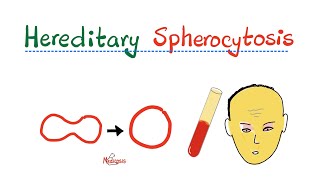
Hereditary Spherocytosis
Explore hereditary spherocytosis: its pathophysiology, clinical features, diagnosis, and management. Learn about this inherited red blood cell disorder and its impact on patients.
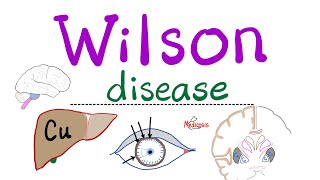
Wilson Disease
Comprehensive overview of Wilson disease, covering pathophysiology, clinical manifestations, and treatment options. Ideal for medical students preparing for exams or healthcare professionals seeking a refresher.
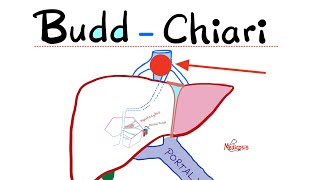
Budd-Chiari Syndrome - Definition, Causes, Pathophysiology, Diagnosis and Treatment
Comprehensive overview of Budd-Chiari syndrome, covering definition, etiology, pathophysiology, diagnosis, and treatment options. Emphasizes post-hepatic obstruction and hepatic vein thrombosis.
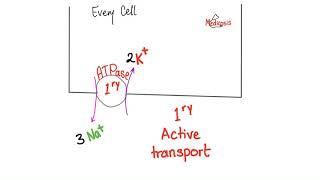
Active Transport - Primary and Secondary - Physiology
Explore primary and secondary active transport mechanisms in cell physiology, understanding their roles in maintaining cellular homeostasis and facilitating essential biological processes.
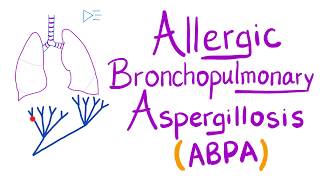
Allergic Bronchopulmonary Aspergillosis - ABPA
Comprehensive overview of Allergic Bronchopulmonary Aspergillosis (ABPA), covering its pathophysiology, clinical presentation, diagnosis, and treatment options for medical professionals and students.
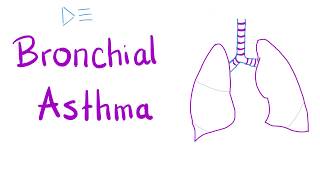
Bronchial Asthma
Comprehensive overview of bronchial asthma, covering pathophysiology, symptoms, diagnosis, and treatment options. Includes animated mnemonics for better understanding and retention.

Tissue Hypoxia - Respiratory Physiology - Pulmonary Medicine
Explore tissue hypoxia causes, including ischemia, hypoxemia, and hemoglobin abnormalities. Learn about inadequate tissue oxygenation and its implications in respiratory physiology and pulmonary medicine.
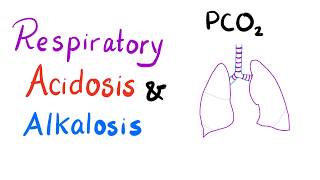
Respiratory Acidosis and Alkalosis - Acid-Base Imbalance
Comprehensive overview of respiratory acid-base disorders, covering causes, physiological mechanisms, and clinical implications of acidosis and alkalosis in the respiratory system.
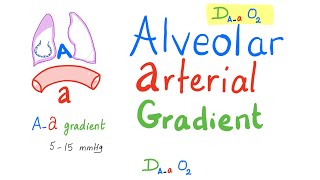
Alveolar-Arterial Gradient - Respiratory Physiology and Pathology - Pulmonary Medicine
Explore the Alveolar-arterial gradient in respiratory physiology, its calculation, and its role in differentiating lung diseases. Learn to interpret A-a gradient values for improved diagnosis.
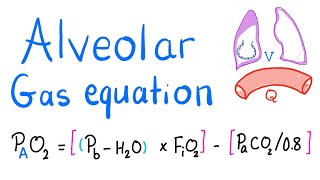
Alveolar Gas Equation - Lung Physiology
Comprehensive explanation of the Alveolar Gas Equation, covering key components like atmospheric pressure, water vapor, inspired oxygen, and arterial blood gases in lung physiology.
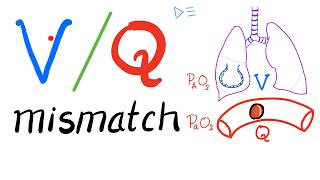
Ventilation-Perfusion Ratio and V-Q Mismatch
Explore ventilation-perfusion ratio, mismatch, dead-space physiology, and pulmonary shunting. Gain insights into intrapulmonary and intracardiac shunts for a comprehensive understanding of respiratory physiology.

Diffusion Capacity of Carbon Monoxide - Pulmonary Medicine
Comprehensive exploration of carbon monoxide diffusion capacity in lungs, covering physiological principles, measurement techniques, and clinical implications for respiratory health assessment.
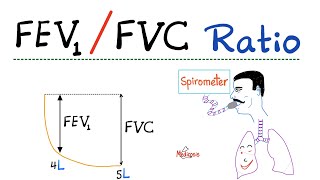
FEV1-FVC Ratio - Pulmonary Medicine - Obstructive vs Restrictive Lung Disease - Respiratory Physio
Explore FEV1/FVC ratio in pulmonary medicine, distinguishing obstructive and restrictive lung diseases through respiratory physiology concepts and diagnostic interpretations.
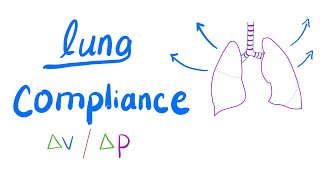
Lung Compliance - Surface Tension - Emphysema - Respiratory Physiology
Explore lung compliance, surface tension, and emphysema in respiratory physiology. Gain insights into pulmonary mechanics and their impact on breathing efficiency.

Gout Management
Comprehensive overview of gout management strategies, covering diagnosis, treatment options, and lifestyle modifications to effectively control symptoms and prevent flare-ups.
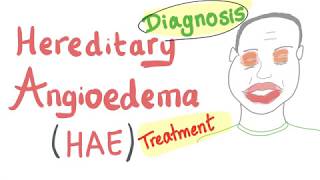
Hereditary Angioedema - Diagnosis and Treatment
Explore hereditary angioedema's causes, symptoms, and treatment options. Learn about C1 inhibitor deficiency, bradykinin's role, and management strategies for this rare genetic disorder affecting the immune system.
Osmolality vs Tonicity
Explore the differences between osmolality and tonicity, focusing on effective osmoles and their impact on fluid balance in the body. Learn key concepts for understanding osmotic gradients.