
Cardiovascular - Structures and Layers of the Heart
Comprehensive exploration of heart anatomy, focusing on key structures and layers. Ideal for medical students and healthcare professionals seeking in-depth understanding of cardiac physiology.

Cardiovascular - Cardiac Output
Comprehensive exploration of cardiac output, focusing on stroke volume, heart rate, and Frank Starling's law. Covers physiological factors affecting cardiovascular function.

Cardiovascular - Electrophysiology - Extrinsic Cardiac Conduction System
Explore the extrinsic cardiac conduction system, focusing on blood pressure regulation, sympathetic nervous system, and heart rate control mechanisms in this comprehensive electrophysiology lecture.

Cardiovascular - Blood Pressure Regulation - Hypertension
Comprehensive exploration of blood pressure regulation, hypertension mechanisms, and physiological responses for maintaining cardiovascular homeostasis. Covers key concepts and systems involved in blood pressure control.

Immunology - Inflammation: Vascular Events
Explore vascular events in inflammation, including local chemical mediators, leukocytosis, margination, diapedesis, and positive chemotaxis. Gain insights into the physiological processes of the inflammatory response.
Diabetes Mellitus - Type I and Type II: USMLE Step 2 Rapid Review
Comprehensive review of diabetes mellitus types I and II for USMLE Step 2, covering etiology, pathophysiology, clinical features, diagnosis, treatment, and complications in a concise, rapid-fire format.
Hepatitis - Pathophysiology of Viral Hepatitis
Comprehensive overview of viral hepatitis types A, B, C, D, and E, covering pathophysiology and clinical presentation. Ideal for medical students and healthcare professionals seeking in-depth understanding of liver infections.

COPD - Pathophysiology
Comprehensive exploration of COPD pathophysiology, covering key aspects of chronic obstructive pulmonary disease and its impact on respiratory function.

Diabetic Ketoacidosis and Hyperglycemic Hyperosmolar Syndrome
Comprehensive overview of diabetic ketoacidosis and hyperglycemic hyperosmolar syndrome, covering causes, pathophysiology, clinical presentation, diagnosis, and treatment of these life-threatening diabetes complications.
Diabetes Mellitus - Type I and Type II Diabetes Mellitus
Comprehensive overview of Type I and II diabetes mellitus, covering pathophysiology, clinical features, diagnostics, complications, and treatments in a high-yield format.
Embryology - Development of Fetal Circulation
Comprehensive exploration of fetal circulation development, covering key structures and processes from conception to birth. Ideal for medical students and professionals seeking in-depth understanding of embryonic cardiovascular formation.

Embryology - Development of the Heart
Comprehensive exploration of heart embryology, covering key stages and processes in cardiac development. Includes visual aids and engaging explanations for a thorough understanding.

Embryology - Development of Muscular System
Comprehensive exploration of muscular system embryology, covering axial and appendicular skeleton muscles. Gain in-depth understanding of muscle formation and development during embryonic stages.
Sarcoidosis - Pathophysiology, Diagnosis, Treatment
Comprehensive overview of sarcoidosis, covering pathophysiology, diagnosis, and treatment. Explores various manifestations and provides insights into management strategies for this complex disorder.
Pheochromocytoma
Comprehensive exploration of pheochromocytoma, covering hormones, causes, pathophysiology, diagnosis, and treatment. Ideal for medical students and healthcare professionals seeking in-depth understanding.

The Anatomy of Pain
Explore the intricate anatomy of pain, from its purpose and perception to its processing in the brain. Learn about pain thresholds, neural pathways, and the body's natural pain management systems.

Urinary System
Comprehensive overview of urinary system anatomy, physiology, and disorders, covering kidney functions, urine formation, common diseases, diagnostic tests, and treatment options.

Endocrine System
Explore the endocrine system's anatomy, physiology, and disorders through engaging animations covering hormones, glands, and metabolic processes, with a focus on diabetes and reproductive health.

Basic Physiology - Overview of All Systems
Comprehensive animated overview of human body systems, covering anatomy, physiology, and key functions for a foundational understanding of human biology.
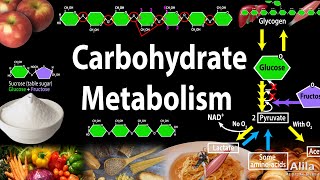
Metabolism
Explore metabolism, regulation, and disorders through animations covering carbohydrates, lipids, proteins, hormones, and key physiological processes. Gain insights into diabetes, cholesterol, and metabolic syndrome.

Sensation and Perception
Explore the intricate workings of human senses, from vision to touch, through engaging animations that unravel the anatomy and physiology behind our perception of the world.