Detecting Persistent Threats on Draytek Devices - Security Assessment and Mitigation Tools
Discover how to detect and mitigate persistent threats on Draytek devices through firmware analysis, reverse engineering, and custom security module development for enhanced network protection.
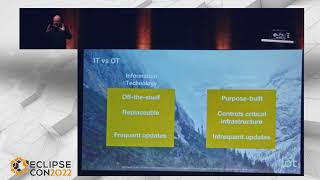
RTOS vs Bare Metal: Choosing the Right Approach for Constrained Devices
Explore the key differences between RTOS and bare metal approaches for IoT development, comparing popular frameworks like FreeRTOS, Zephyr, Arduino, and Espressif IDF.
Low Complexity Optimal Policies for Networked Control Systems
Explore optimal scheduling policies for wireless networked control systems, focusing on channel observation, risk-sensitive cost criteria, and half-duplex controller scenarios in communication networks.
Как строить платформу на базе Kubernetes и не скатиться в "кубер с аутентификацией"
Discover how to build an enterprise-grade Kubernetes platform with advanced security, service mesh, and automation features for product development teams transitioning from OpenShift.
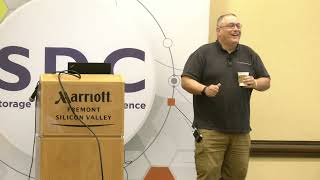
Security Problems with Symbolic Links in UNIX File Systems
Delve into the security vulnerabilities of UNIX filesystem's symbolic links, exploring their design flaws, historical impact on system security, and modern Linux-based solutions for safer implementations.
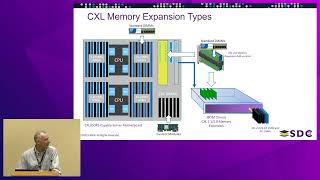
CXL Memory Disaggregation and Tiering - Lessons Learned from Storage
Explore memory disaggregation and tiering in CXL technology, comparing it with storage evolution patterns while examining OS support, drivers, and real-time implementation challenges.

Multi-sized THP Performance Benchmarks and Analysis on ARM64
Explore multi-sized THP performance benchmarks and analysis on ARM64 architectures, gaining insights into optimization techniques and system behavior.
Introduce LUF (Lazy Unmap Flush) Mechanism
Explore the Lazy Unmap Flush (LUF) mechanism, its implementation, and potential impact on Linux system performance and memory management.
Giving Rust a Chance for In-Kernel Codecs
Explore Rust's potential for developing in-kernel codecs in Linux, examining its benefits and challenges for kernel development.
Flying the Nest - A BPF Port of Doom
Explore the innovative BPF port of Doom, delving into its implementation, challenges, and potential applications in Linux kernel development and beyond.
Firmware-Assisted Dump: A Kdump Alternative for Kernel Dump Capturing
Explore Firmware-Assisted Dump as an alternative to kdump for kernel dump capturing, enhancing system reliability and debugging capabilities.
Zoned Storage BOFs
Explore zoned storage technologies and their implementation in Linux systems with industry experts Hans Holmberg and Johannes Thumshirn.
Crafting a Linux Kernel Scheduler in User-Space Using Rust
Explore the creation of a Linux kernel scheduler in user-space using Rust, delving into innovative approaches for system-level programming and performance optimization.
Automatically Reasoning About the Cache Usage of Network Stacks
Explore automated techniques for analyzing cache utilization in network stacks, enhancing performance and efficiency in network systems.
Making Linux Fly: Towards a Certified Linux Kernel
Explore efforts to create a certified Linux kernel, enhancing reliability and security through formal verification techniques and advanced testing methodologies.
Efficient Memory Allocation Between Different Subsystems
Optimize memory allocation across subsystems for enhanced system performance and resource utilization.
ACPI Fast Handover for Kexec Live-Update
Explore ACPI fast handover techniques for kexec live-update, enhancing system efficiency and minimizing downtime during kernel updates.
Program Verification for the Linux Kernel - Potential Costs and Benefits
Explore potential costs and benefits of program verification for the Linux kernel, gaining insights into its impact on development and reliability.
Journey of a C Kernel Engineer Starting a Rust Driver Project
Explore a C kernel engineer's transition to Rust for driver development, gaining insights into challenges and advantages of this language shift.
Rust for Linux
Explore Rust's integration into the Linux kernel, understanding its benefits, challenges, and potential impact on system development and security.
Seccomp Filtering for Struct Pointers
Explore advanced seccomp filtering techniques for struct pointers, enhancing system call security in Linux environments.