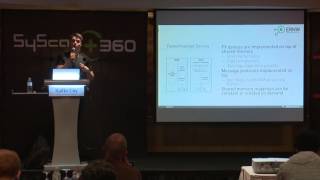
Xenpwn - Breaking Paravirtualized Devices
Explore techniques for exploiting vulnerabilities in paravirtualized devices, focusing on Xen hypervisor security and potential attack vectors in virtualized environments.
ASoC: Supporting Audio on an Embedded Board
Learn to integrate audio codecs with SoC interfaces using ASoC API. Covers hardware architecture, machine drivers, common issues, and debugging tips for embedded Linux audio systems.
Devicetree Hardware Autoconfiguration for Low-Cost Android Tablets
Explore dynamic devicetree usage for hardware autoconfiguration in Linux, covering challenges and best practices for supporting diverse tablet configurations.
Industrial I/O Subsystem Driver Development and Userspace HALs - Nonsense Hacks
Explore Industrial I/O subsystem driver development, userspace HALs, and sensor functionality. Learn about iio channels, triggers, and ring buffers through in-depth API overview and practical demos.
GPIO for Engineers and Makers - Recent Developments and Future Directions
Explore GPIO subsystem changes, including descriptor refactoring, open drain support, and new userspace character device ABI. Learn about hardware descriptions, industrial control applications, and future directions.
How I Survived a SoC with a Terrible Linux BSP
Navigating challenges with vendor-provided BSPs for embedded Linux systems: experiences, issues, and strategies for improving software development on System-on-Chip platforms.

The Serial Device Bus: Modernizing UART-Attached Devices in Linux
Explore UART-attached devices in Linux with the Serial Device Bus, improving power management and integration into the device model for embedded systems.
Embedded Cameras in Linux - Challenges and Solutions
Explore challenges of embedded cameras in Linux and learn about new open-source solutions. Discover how device vendors and developers can leverage the emerging camera stack for improved functionality.
Generic ALSA SoC Sound Card History - Simple and Graph
Explore the evolution of ALSA SoC sound card drivers, focusing on generic solutions like simple-card and audio-graph-card. Learn about their creation, features, and implementation in embedded Linux systems.
Basics of I2C on Linux
Learn the fundamentals of I²C communication in embedded Linux systems, covering electrical aspects, kernel implementation, device tree usage, driver development, userspace tools, and debugging techniques.
USB Support in Zephyr OS
Overview of USB device support in Zephyr OS, covering controller drivers, device stack, and basic host support. Includes implementation tips and testing strategies for the USB subsystem.
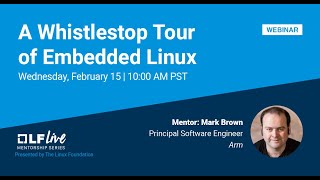
Embedded Linux Landscape: A Whistlestop Tour - Mentorship Session
Explore the embedded Linux landscape, its applications, and development opportunities with insights from an Arm engineer. Learn about project interconnections and ways to contribute.
Subsystems with Object Lifetime Issues in Embedded Systems
Explore object lifetime issues in Linux subsystems, focusing on embedded systems. Understand the problem, affected subsystems, and potential solutions for kernel stability and reliability.
Tweaking Device Drivers for Achieving Real-Time Performance in Embedded Systems Using Real-Time Linux
Optimize device drivers and subsystems for real-time performance in embedded Linux systems. Analyze latency, improve multi-core communication, and implement flow control for deterministic performance under high CPU load.
Introducing the Zephyr Input Subsystem
Learn about Zephyr's Input Subsystem: design, operation modes, and applications. Explore driver APIs, event processing, and compatibility with various input devices and frameworks.
Running Linux on Tiny Peripherals with Minimal Memory Requirements
Explore running Linux on tiny peripherals with minimal memory, covering device categorization, kernel requirements, and practical implementation strategies.

CrowdStrike IT Outage Explained - Kernel Mode Driver Analysis
Detailed analysis of CrowdStrike's IT outage from a Windows developer's perspective, focusing on kernel mode drivers and system vulnerabilities.
Userspace Trip Points
Explore userspace trip points in Linux systems, understanding their implementation, benefits, and potential applications for enhanced system management.
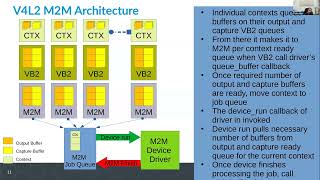
How I Used Yocto for an ELC 2022 Talk and Demo
Explore building a V4L2 mem2mem driver and test application using Yocto for QEMU-based virtual hardware, showcasing powerful features for rapid demo development.
Embedded Linux Security: Dr Jekyll and Mr Hyde
Explore essential security features and common pitfalls in Linux-based embedded systems to enhance your project's protection and implementation.
Writing Linux Kernel Modules in Rust - Mentorship Session
Hands-on guide to creating Linux kernel modules using Rust, comparing with C, and demonstrating improved productivity and security. Includes step-by-step walkthrough and live testing in a VM.