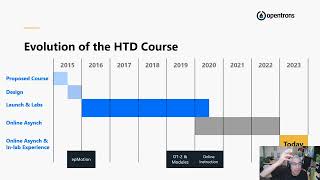
Lab Automation for High-Throughput Discovery Science
Explore lab automation for high-throughput discovery science in undergraduate and graduate courses. Learn about integrating research-scale automation, designing scripts, and embracing new challenges with liquid handlers.
Simplifying Somatic NGS Analysis and Reducing Literature Review Time with HSMD
Streamline somatic NGS analysis and reduce literature review time by 90% with the Human Somatic Mutation Database. Explore genomic content, clinical trials, and expert-curated insights for solid tumors and hematological malignancies.
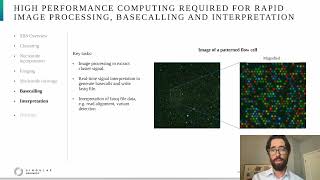
Delivering Fast, Flexible Next-Generation Sequencing through Innovations in Chemistry and Engineering
Explore rapid next-generation sequencing innovations for faster, flexible DNA analysis in research and clinical applications, reducing turnaround time and improving cost-effectiveness.
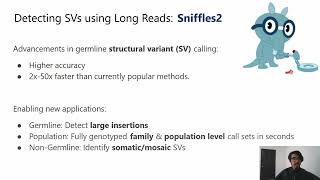
Comprehensive Structural Variant Detection: From Mosaic to Population Level
Explore advanced structural variant detection using Sniffles2, a powerful tool for identifying complex genomic alterations with increased accuracy, speed, and functionality in long-read sequencing data.
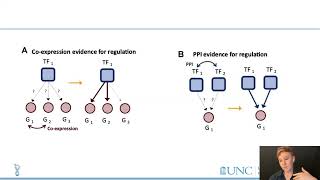
Gene Regulatory Networks and Individual-Specific Regulatory Disruptions
Explore gene regulatory networks and individual-specific disruptions, focusing on disease-associated genetic variants and their impact on transcription factor binding and gene expression.

High-Throughput qPCR Microfluidics Technology with Singleplex Accuracy for Plant and Animal Genomics
Explore high-throughput qPCR microfluidics technology for plant and animal genomics, offering singleplex accuracy, massive parallelization, and efficient screening of multiple pathogens or SNPs.
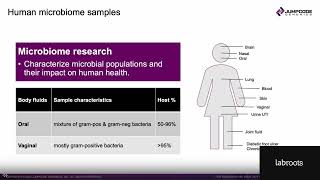
Boost Microbial Detection Sensitivity with Unbiased Human Host DNA and RNA Depletion
Enhance microbial detection in human microbiome samples through unbiased host DNA/RNA depletion. Learn about CRISPRclean technology for improved taxonomic resolution and increased microbial genome coverage.
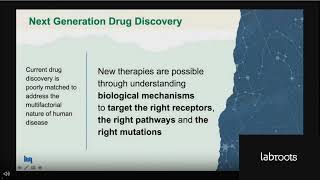
Enabling High-throughput Biology with New Technologies for Synthetic Construct Sequencing
Explore new methods and technologies accelerating sequence-based screening of plasmids for discovery, research, and biotechnology. Learn about ExpressPlex technology and its integration with rolling-circle amplification in OCTOPUS v3.0.
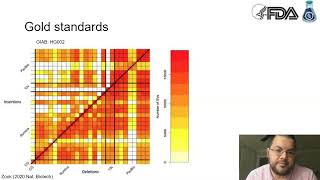
A Structural Variation Map of 499 Han Chinese Individuals Using Long-Read Sequencing Data
Explore a comprehensive structural variation map of Han Chinese genomes using long-read sequencing, uncovering genetic insights and implications for human evolution and disease.
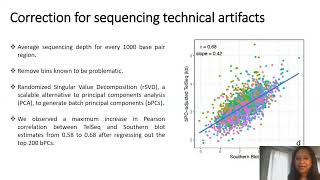
Sequencing the Genome: From Genotype to Phenotype and Extras in Between
Explore genome sequencing, from genotype to phenotype, with a focus on telomere length and its implications for aging, disease, and health disparities in minority populations.
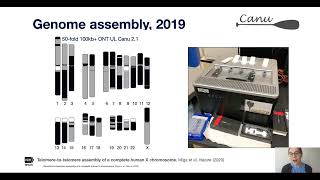
Telomere-to-Telomere Chromosome Assemblies: New Insights Into Genome Biology and Structure
Explore complete human genome assemblies, unlocking insights into complex regions and revolutionizing genetics. Gain new perspectives on genome biology and structure through telomere-to-telomere chromosome analysis.
The Structure, Function, and Evolution of Human Chromosome 8
Explore the groundbreaking assembly of human chromosome 8, unraveling its structure, function, and evolutionary history. Gain insights into centromere evolution and the resolution of long-standing genomic gaps.
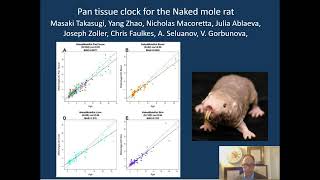
Epigenetic Aging Studies in Mammals - Universal DNA Methylation Clocks and Lifespan
Explore epigenetic clocks in mammals, their accuracy across species, and implications for aging research. Gain insights into DNA methylation's role in biological aging and lifespan.
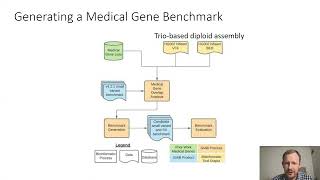
Towards a Comprehensive Variation Benchmark for Medically-Relevant Autosomal Genes
Explore advancements in genomic benchmarking for medically-relevant autosomal genes. Learn about GIAB consortium's efforts to improve variant calling in challenging genomic regions.
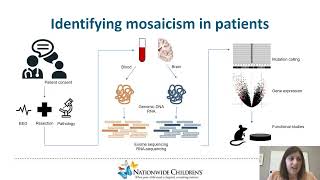
Deciphering Brain Mosaicism with Long-read Sequencing
Explore how somatic mutations in brain development contribute to neurodevelopmental disorders using integrated single-cell and long-read RNA sequencing techniques.
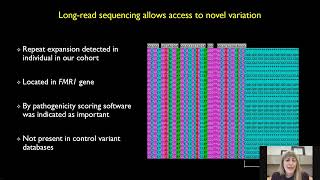
Application of Long-read Sequencing in Human Genetics
Explore long-read sequencing's revolutionary impact on human genetics, enabling rapid genome assembly and comprehensive variation detection for enhanced disease understanding.
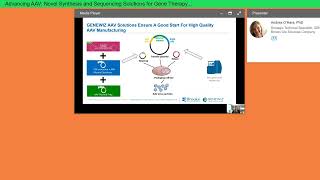
Advancing AAV: Novel Synthesis and Sequencing Solutions for Gene Therapy Research
Explore innovative gene therapy solutions, focusing on AAV plasmid DNA sequencing and synthesis for rAAV production, including ITR region management in clinical development.
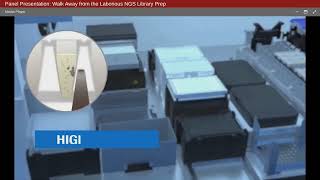
Walk Away from Laborious NGS Library Prep - Introducing AVENIO Edge System
Discover automated NGS library prep solutions to streamline workflows, reduce labor, and overcome adoption challenges. Learn about the AVENIO Edge System for efficient genomic research.
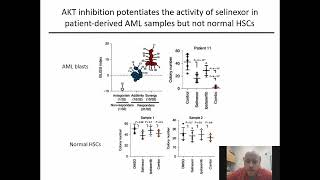
Functional Genomic Interrogation of Tumor Evolution
Explore tumor evolution using genomics and cell signaling. Uncover cancer cell death regulation, survival mechanisms, and drug resistance pathways. Gain insights into potential therapeutic targets.
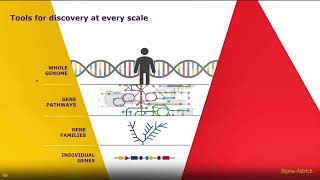
From Bench to Bedside: Targeted Gene Editing
Explore CRISPR/Cas gene editing technology's evolution, applications, and importance in research and clinical settings. Learn about choosing effective CRISPR reagents for successful gene editing experiments.
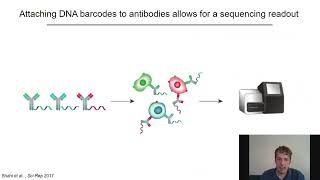
Cell Pathology Revealed by Single-Cell Genotype-Phenotype Mapping
Explore single-cell genotype-phenotype mapping to uncover cancer mutation effects and HIV latency mechanisms. Gain insights into tumor heterogeneity and disease progression using advanced genomic methods.