Functional Genomics
Explore genomics, epigenetics, and DNA sequencing methods. Learn about genome editing, transcriptomics, and comparative genomics. Gain hands-on experience through tutorials and laboratory sessions.
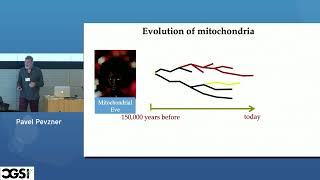
Uni-alignment: A Parameter-free Framework for Fast and Accurate Sequence Alignment
Explore a parameter-free framework for fast and accurate sequence alignment, focusing on UniAligner's innovative approach to genomic data analysis and its implications for computational biology.

Learn About SwissOrthology - Orthology Prediction Tool
Explore orthology prediction with SwissOrthology, covering molecular evolution, comparative genomics, and bioinformatics tools. Learn to use OMA, OrthoDB, and SPARQL for advanced genomic analyses.
Learn About Bgee - Gene Expression Tool
Explore Bgee, a database for comparing gene expression across animal species. Learn data integration, tools, and applications in cancer, agriculture, and evolutionary biology.
Genome Comparative Analysis
Explore bacterial genome analysis techniques, from phylogenetic tree creation to antimicrobial resistance gene identification, with hands-on tutorials suitable for beginners in bioinformatics.
Whole Genome Sequence Analysis
Comprehensive tutorial on bacterial genome analysis, covering assembly, comparative genomics, antimicrobial resistance gene identification, phylogenetic tree construction, and variant calling using bioinformatics tools.
Bacterial Genomics
Comprehensive exploration of bacterial genomics, covering assembly, annotation, comparison, visualization, and analysis techniques for beginners in bioinformatics.
Genomics
Comprehensive genomics exploration covering assembly, annotation, visualization, and analysis techniques for bacterial genomes, including phylogenetic tree construction and antimicrobial resistance gene identification.
Comparative Genomics Course Lectures
Explore genomics from evolution to human health, covering prokaryotes, eukaryotes, transcriptomics, epigenetics, and more. Gain insights into cutting-edge biological research and applications.
Laying Foundations for Very Large Scale Comparative Genomics
Explore foundations for large-scale comparative genomics, focusing on techniques and challenges in analyzing vast genomic datasets across species.
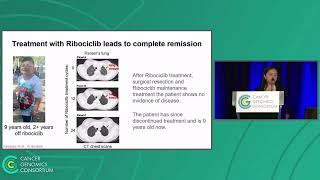
Comparative Analysis of RNA Expression Identifies Druggable Targets in Pediatric Solid Tumors
Explore RNA expression analysis for identifying targetable therapies in challenging pediatric solid tumors, advancing precision medicine for young cancer patients.
Multifaceted Community Analyses Uncover Novel Bacterial Species in the Colorectal Tumor Niche
Explore novel bacterial species in colorectal tumors through cutting-edge culturing and sequencing techniques. Gain insights into microbial diversity and potential roles in cancer progression.
Using Dogs as a Model System in Genomics
Explore genomics using dogs as a model system. Discover insights into genetic recombination, demography, genome function, and complex disease mapping in canines.
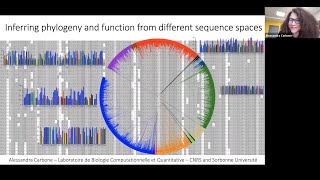
Inferring Phylogeny and Function from Different Sequence Spaces
Explore phylogeny and function inference using diverse sequence spaces, led by Alessandra Carbone from CNRS and Sorbonne Université.
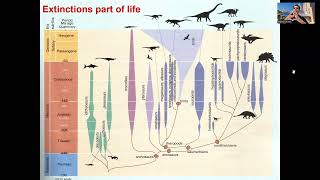
Sequence Alignment and Dynamic Programming in Computational Biology - Lecture 4
Comprehensive exploration of sequence alignment techniques, from comparative genomics to dynamic programming, covering local alignment, hashing, and BLAST for efficient genomic analysis and evolutionary insights.
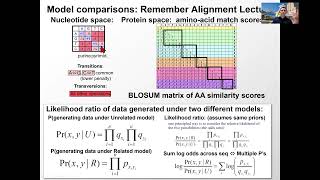
Comparative Genomics - Lecture 20
Explore comparative genomics principles and methodologies for analyzing DNA sequences across species to understand evolutionary patterns and functional elements.
A Comparative Genomics Strategy to Discover Mechanisms of Cellular Resilience - 2024
Explore comparative genomics approaches for understanding cellular resilience mechanisms through expert insights into human genetics, biostatistics, and computational genomics research.