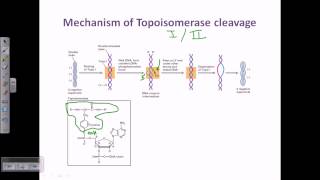
Molecular Biology Techniques
Comprehensive molecular biology techniques series covering cloning, PCR, blotting, sequencing, and electrophoresis methods for CSIR NET exam preparation.

Living Long, Living Well: Aging with Flourish
Explore the biology of aging, learn about brain changes, and discover practical advice for living a long, healthy life in this informative Harvard Medical School seminar.
Computational Genomics
Explore computational genomics, covering DNA sequencing technologies, genome assembly, BLAST algorithms, antibiotic resistance, and advanced k-mer analysis techniques.

The Jumping Genome - Changing Ideas about Heredity and Evolution
Explore the evolution of genetics, from Mendel's pea experiments to modern genomics, including McClintock's revolutionary "jumping gene" discovery and its impact on our understanding of heredity and evolution.
Harmonization of Deeply Sequenced Genomes - MPG Primer 2023
Explore genome harmonization techniques for deeply sequenced data, covering quality control, structural variants, and PCA analysis using cloud computing.
Clinical Interpretation of Genes and Variants for Disease Causality - MPG Primer 2022
Dive into clinical interpretation of genes and variants for disease causality with expert Heidi Rehm. Explore standardized approaches, open science, and data sharing in genomic medicine and rare disease gene discovery.
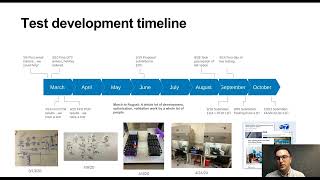
High-throughput Diagnostics and Sequencing at the Pandemic Response Lab NYC
Explore high-throughput diagnostics and sequencing for COVID-19 control, including testing methods, sample tracking, and variant monitoring at the Pandemic Response Lab NYC.
Transforming Mental Illness Through Technology - Neurobiology and Brain Pacemakers
Pioneering neuroscientist explores brain's electrical patterns to develop innovative treatments for mental illnesses, potentially revolutionizing psychiatric care through advanced technology and neural stimulation.
Cloning Our Future - Exploring Genome Sequencing and De-extinction
Explore the potential of genome sequencing and cloning in transforming biology and conservation, including opportunities to revive extinct species and protect endangered ones.
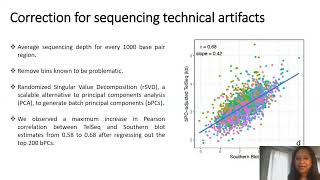
Sequencing the Genome: From Genotype to Phenotype and Extras in Between
Explore genome sequencing, from genotype to phenotype, with a focus on telomere length and its implications for aging, disease, and health disparities in minority populations.
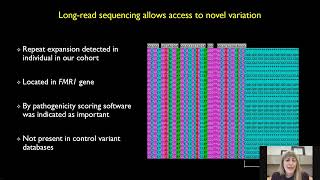
Application of Long-read Sequencing in Human Genetics
Explore long-read sequencing's revolutionary impact on human genetics, enabling rapid genome assembly and comprehensive variation detection for enhanced disease understanding.
Accelerating Scientific Discovery in Biomedicine Using Artificial Intelligence
Exploring AI's potential to accelerate biomedical discoveries, focusing on genomics and personalized medicine. Discusses cost-effective genome sequencing, automated literature curation, and reliable disease risk prediction.
The Remarkable Potential of Precision Medicine
Explore genomics, medical devices, and computer science in precision medicine to revolutionize patient care, offering hope for better treatments and cures across all age groups and conditions.

What If - Everyone Had Their Genome Sequenced at Birth
Experts discuss the implications of universal genome sequencing at birth, exploring potential benefits, ethical concerns, and societal impacts of personalized genetic health data.
Deep Learning in Medicine - An Introduction and Applications to Next-Generation Sequencing and Disease Diagnostics
Exploring deep learning applications in medicine, focusing on genetic variation detection using neural networks and its potential impact on disease diagnostics and genomics.

Will Our Kids Be a Different Species?
Explore the possibility of rapid human evolution through technological advancements and genetic insights, challenging our understanding of species development and future human potential.
KubeGene - A Genome Sequencing Workflow Management Framework
Explore KubeGene, a Kubernetes-based framework for managing large-scale genome sequencing workflows, enabling efficient data processing and analysis for various sequencing scenarios.
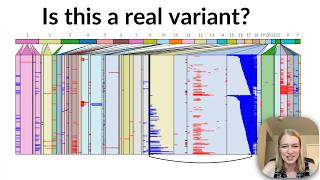
Investigating Structural Variants in Cancer Genomics - A Bioinformatics Tutorial
Explore bioinformatics tools Ribbon and SplitThreader to analyze structural variants in cancer genomes using long-read sequencing data and GIAB's HG008 tumor/normal samples.