
Derivative-Free Guidance in Continuous and Discrete Diffusion Models
Explore derivative-free guidance in diffusion models for optimizing AI-generated designs while preserving naturalness. Learn about a new iterative sampling method integrating soft value functions into pre-trained models.
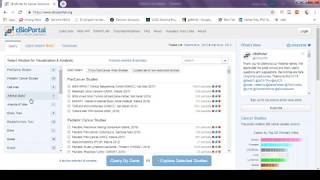
Data Science - Cancer Genomics
Explore cancer genomics through data analysis, accessing public databases, and understanding NGS techniques. Learn about lung adenocarcinoma and copy number variation analysis.
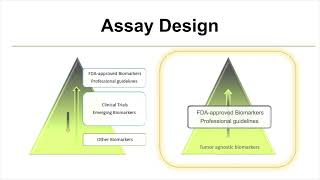
Flexible Capabilities to Enable Comprehensive Genomic Profiling
Explore implementation of Comprehensive Genomic Profiling in oncology, covering flexible automation, sample management, and data analysis to improve patient care and treatment decisions.

How to Analyze Single-Cell RNA-Seq Data in R - Detailed Seurat Workflow Tutorial
Comprehensive tutorial on analyzing single-cell RNA-Seq data using Seurat in R, covering data processing, quality control, normalization, dimensionality reduction, and clustering for genomics research.
AWSOM24 Conference - AI and Machine Learning in Single Cell Genomics
Explore cutting-edge single-cell genomics research with expert talks on bioinformatics, experimental applications, and translational studies in this comprehensive workshop from leading institutions.
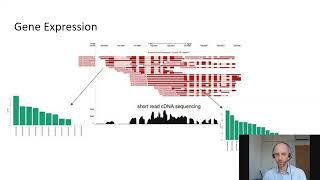
Studying Promoter and Isoform Diversity with Long-Read Transcriptome Sequencing
Explore promoter and isoform diversity in cancer transcriptomes using long-read RNA sequencing. Gain insights into alternative promoters' role in gene regulation and their impact on cancer research.
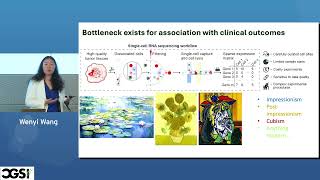
A Guide to Perform Transcriptomic Deconvolution in Cancer
Explore transcriptomic deconvolution techniques for cancer research, focusing on tumor cell mRNA expression estimation and improved analysis of cell-type ratios in complex tissue samples.
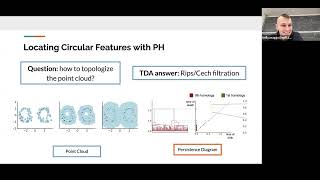
Cohomology Classes in the RNA Transcriptome
Explore how cohomology classes in single-cell sequencing data can model transient biological processes, using persistent cohomology and differential forms to infer gene expression dynamics.

RNA Sequencing as a Complement to DNA Genetic Testing - Ambry Genetics
Explore RNA sequencing technologies and their applications in understanding and diagnosing genetic diseases, with a focus on clinical utility and advanced analysis techniques.
Introduction to Next-Generation Sequencing - Galaxy Web
Learn the theory behind Next Generation Sequencing analysis pipeline and its revolutionary impact on genomics and molecular biology studies using Galaxy Web platform.
Gastric Organoids as a Model System to Study H. pylori
Explore gastric organoids as a model for H. pylori infection, covering infection methods, microscopy, metabolites, and applications in studying virulence factors.
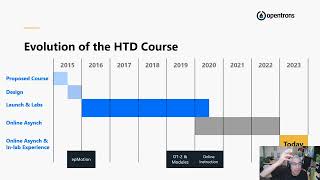
Lab Automation for High-Throughput Discovery Science
Explore lab automation for high-throughput discovery science in undergraduate and graduate courses. Learn about integrating research-scale automation, designing scripts, and embracing new challenges with liquid handlers.
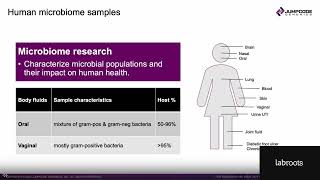
Boost Microbial Detection Sensitivity with Unbiased Human Host DNA and RNA Depletion
Enhance microbial detection in human microbiome samples through unbiased host DNA/RNA depletion. Learn about CRISPRclean technology for improved taxonomic resolution and increased microbial genome coverage.
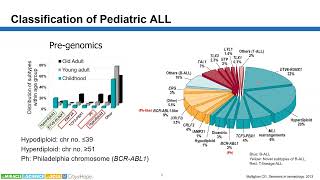
Deconvoluting the Heterogeneous Signatures of B-cell Acute Lymphoblastic Leukemia
Explore genomic signatures of B-cell acute lymphoblastic leukemia subtypes and their impact on classification, diagnosis, and treatment strategies for improved patient outcomes.
Overcoming Challenges of Somatic RNA Variant Calling in Solid Tumors
Explore techniques for accurate somatic RNA variant calling in solid tumors, addressing key challenges and improving cancer genomics analysis.
Whole Transcriptome Sequencing as a Diagnostic Tool for AML
Explore whole transcriptome sequencing's potential as a diagnostic tool for Acute Myeloid Leukemia (AML), focusing on its applications and benefits in clinical cancer genomics.
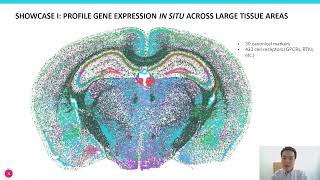
Illuminating Biology with Spatially Resolved, Single-cell Transcriptomics
Explore spatially resolved, single-cell transcriptomics to understand tissue organization and cellular heterogeneity in biological systems, presented by Vizgen co-founder Jiang He.
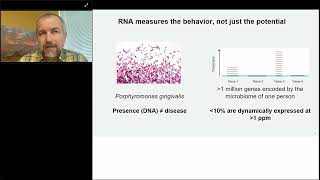
A Systems Medicine Platform Based on RNA Sequencing and Artificial Intelligence
Explore Viome Operating System (ViOS), an open-access platform integrating lab, computational, and logistics components for efficient clinical research and health improvement using big data and AI.
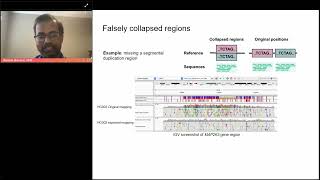
Improving Genomic Analysis by Fixing Reference Errors
Discover how to enhance genomic analysis by correcting GRCh38 reference errors, impacting variant calling in 33 protein-coding genes. Learn about FixItFelix for efficient re-analysis while maintaining existing annotations.
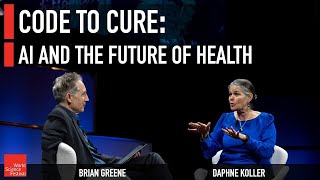
AI and Machine Learning in Drug Discovery and Development
Explore AI's revolutionary impact on drug discovery and healthcare with Daphne Koller. Gain insights into machine learning applications in biology, protein folding, and interdisciplinary collaboration for future medical breakthroughs.

Sequencing Influenza, CRISPR Diagnostics, and an Increase in Tick and Mosquito-Born Disease
Explore recent microbiology research on vector-borne diseases, CRISPR diagnostics, influenza sequencing, and gut microbiome. Learn about cutting-edge developments and their potential impact on public health and disease detection.