
Can You See Me Now? Building Robust AI Sensory Systems
Explore advanced AI sensory systems for improved player interaction in game development, focusing on robust techniques to enhance AI responsiveness and gameplay.

Narrative Sorcery - Coherent Storytelling in an Open World
Explore techniques for crafting coherent, adaptive narratives in open-world games, focusing on defensive logic and ad-hoc storytelling methods used by Inkle Ltd.

Fast, Cheap and Flashy - An Indie Art Direction Adventure
Explore the visual design process for Tooth and Tail, learning indie art direction techniques that are fast, cost-effective, and visually striking from Chickadee Games' Adam DeGrandis.

Trolls - The Cost of Doing Nothing
Explore the business impact of toxic behavior in games and learn effective strategies for managing disruptive players to ensure a positive gaming environment.

Procedural World Generation of Far Cry 5
Explore Ubisoft's innovative procedural tools for generating biomes, texturing terrain, and creating realistic environments in Far Cry 5's open world.
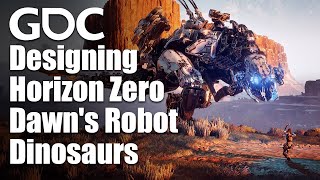
A No-Nonsense Approach to Designing Horizon Zero Dawn's Robot Dinosaurs
Explore the visual design process behind Horizon Zero Dawn's iconic robotic dinosaurs in this insightful talk by Guerrilla Games' art director.

Depiction of War in Games - Can You Do Better?
Explore the realities of war in game development through insights from military training simulators, DARPA projects, and firsthand combat experience in Afghanistan.
Build Great Tools - Workflow Guidelines from Vicarious Visions
Practical techniques for developing effective tools and workflows in game development, with insights from Vicarious Visions' experiences and industry inspirations.
Bridging the Gap Between UX Principles and Game Design
Explore the intersection of game design and UX principles to enhance gameplay experiences, with insights on collaborative approaches for improved player engagement and satisfaction.

Emotion in Game Design - A UX Perspective
Explore the scientific approach to emotion in game design and learn how to engage players through a UX mindset, enhancing player delight and overall gaming experience.
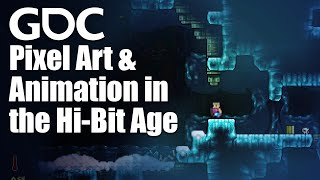
Skill-Building Series - Pixel Art and Animation in the Hi-Bit Age
Explore techniques and best practices for pixel art and animation in modern games, including innovative tools and contemporary applications of this classic art style.

Physical Animation in Star Wars Jedi: Fallen Order
Explore how Respawn Entertainment blends physical simulation with authored animations to create high-fidelity character motion in Star Wars Jedi: Fallen Order.
Mining Your Own Design - Crafting the Crafting System in Astroneer
Explore how System Era Softworks enhanced Astroneer's crafting system by analyzing existing design, making extensive changes without destabilizing gameplay, and deepening player engagement.
Quad Mesh Simplification in Frostbite
Explore EA's procedural approach to generating quality level of detail for in-game models using Frostbite, enhancing visual fidelity and performance in game development.

Extreme SIMD - Optimized Collision Detection in Titanfall
Discover advanced SIMD techniques for optimizing collision detection, as demonstrated by Respawn Entertainment's success in doubling the speed of Titanfall's already efficient code.
The Holy Grail of Multiplayer Level Design - Casual and Competitive Maps
Explore design processes for creating balanced multiplayer levels in team-based FPS games, focusing on both casual and competitive play in Paladins.

Deep Learning - Beyond the Hype
Explore neural networks and reinforcement learning for game AI development, with insights on their potential and practical applications in the gaming industry.
Expanding Animation and Design Capabilities in Post-Launch Battlefield 1
Explore how EA Dice enhanced Battlefield 1's animation systems post-launch, focusing on weapons and mounted soldiers to empower animators and designers with greater creative freedom.
Designing for Non-Linear Story Discovery in Tacoma
Explore Fullbright's approach to non-linear storytelling in game design, drawing insights from Tacoma's development and learning techniques to enhance player-driven narrative exploration.
Cloth Self Collision with Predictive Contacts
Innovative cloth simulation technique using predictive contacts for efficient self-collision detection, enabling large time steps in game development.

Set this Game in Order - Organizing Hundreds of Levels and Mechanics
Explore methods for organizing level designs and game mechanics, including spreadsheets, folder searches, and specialized tools, to efficiently manage complex game development projects.