Molecular Modeling of Complex Biological Systems
Explore molecular modeling techniques for complex biological systems, focusing on chromatin dynamics, DNA methylation effects, and histone tail modeling. Learn to predict system responses to modifications and mutations.
Protein Design Workflows Employing Reinforcement Learning and Preference Optimization - Tutorial 4
Explore protein design workflows using reinforcement learning and preference optimization techniques for advanced molecular engineering.
Leveraging Advancements in Genomics to Prevent Gastric Cancer
Explore genomic advancements in gastric cancer prevention, focusing on integrative cellular genomics, spatial transcriptomics, and gene mapping techniques for metaplasia and dysplasia.
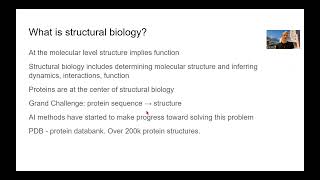
Intro to Protein Structure - Lecture 8
Explore protein structure fundamentals, including amino acid composition, peptide bonds, and folding mechanisms. Gain insights into structural hierarchy and functional implications.

AI in Structural Biology: Roots of Success
Explore the history and impact of AI in protein structure prediction, focusing on AlphaFold 2's breakthrough and its implications for structural and cell biology research.
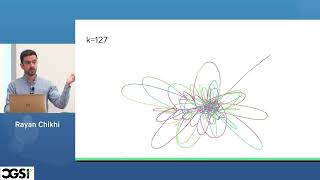
Hands-on Introduction to Pangenome Graphs
Explore pangenome graphs hands-on: learn data structures, applications, and tools for analyzing genomic variations across populations in this practical introduction.
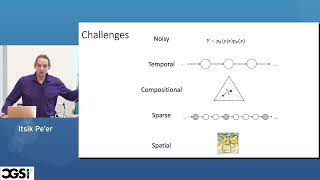
Stochastic Dynamics of the Microbiome
Explore stochastic dynamics of microbiomes through advanced computational methods. Gain insights into microbial growth, spatial structure, and population trajectories using cutting-edge genomic analysis techniques.
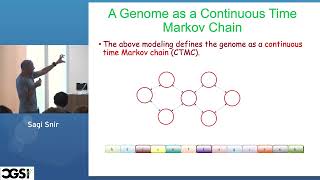
Horizontal Gene Transfer Phylogenetics: A Random Walk Approach
Explore horizontal gene transfer phylogenetics using a random walk approach. Discover innovative methods for analyzing evolutionary relationships in the presence of lateral genetic transfer.
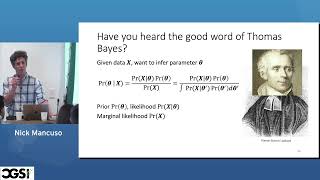
Variational Inference for Large-Scale Genomic Data - CGSI 2022
Explore variational inference techniques for large-scale genomic data analysis, integrating molecular and phenome information to uncover disease mechanisms and enhance genetic association studies.
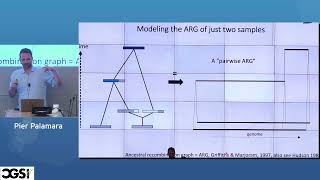
Large-Scale Inference of Ancestral Recombination Graphs for Genealogy-Based Association of Complex Traits
Explore large-scale inference of ancestral recombination graphs and its application in genealogy-based association of complex traits, advancing genomic research and population genetics.
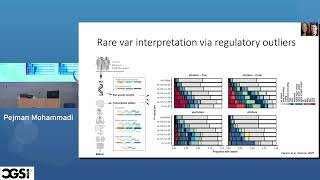
Quantitative Models of Genetic Variation in Cis-Regulation - 2022
Explore quantitative models of genetic variation in cis-regulation, focusing on haplotype-aware modeling and regulatory effect size quantification in eQTL data.
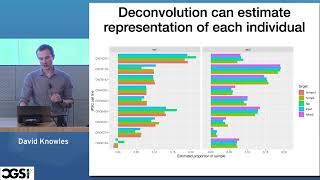
Determining the Molecular Intermediates Between Genotype and Phenotype
Explore molecular intermediates between genotype and phenotype, focusing on transcription factor binding, Mendelian randomization, and causal network discovery in genomics research.
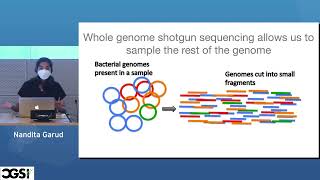
How to Detect Evolution from Microbiome Data
Explore methods for detecting microbial evolution in the gut, examining strain diversity, biogeography, and rapid adaptation. Gain insights into population genetics and its impact on microbiome ecology.
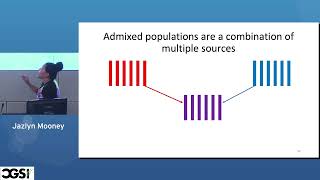
On the Number of Genealogical Ancestors Tracing to Source Groups in Admixed Populations
Explore genealogical ancestry in admixed populations through a mechanistic model. Gain insights into African American history and the impact of the Trans-Atlantic Slave Trade on genetic heritage.
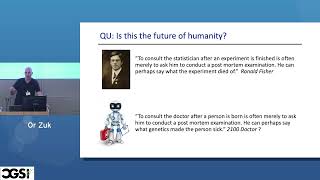
Evaluating the Potential Benefits of Embryo Screening Using Polygenic Scores for Multiple Traits
Explore the potential and limitations of embryo screening using polygenic scores for multiple traits. Analyze ethical considerations and scientific challenges in this emerging field of reproductive genetics.
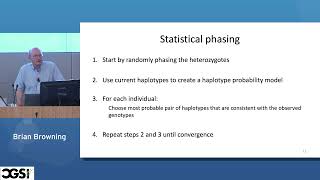
Haplotype Phasing: Methods and Accuracy
Explore haplotype phasing methods and accuracy with Professor Brian Browning. Learn about fast two-stage phasing, integrative estimation, and genotype error impacts on trio-based accuracy.
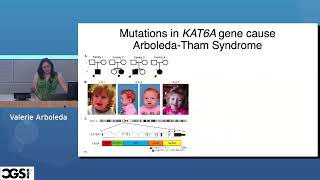
Integration of Monogenic and Common Variants in Human Disease - CGSI 2022
Explore the integration of monogenic and common variants in human disease, focusing on complex traits, congenital heart defects, and the challenges of phenotyping rare diseases.
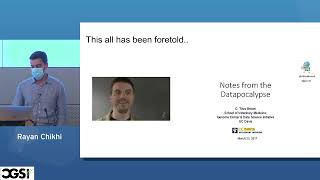
Recent Progress Towards Petabase-Scale Genomics
Explore recent advancements in petabase-scale genomics, focusing on efficient whole-genome assembly techniques and large-scale sequence alignment for viral discovery.
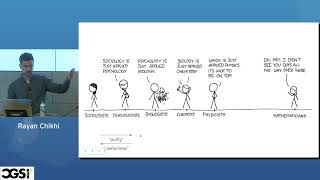
Living in the Future of Genomics
Explore cutting-edge genomics research and its future implications with insights from Rayan Chikhi at the Computational Genomics Summer Institute.
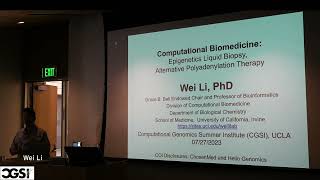
Computational Biomedicine: Epigenetics, Liquid Biopsy, and Alternative Polyadenylation Therapy
Explore computational biomedicine, focusing on epigenetics, liquid biopsy, and alternative polyadenylation therapy. Gain insights into cutting-edge research and applications in genomics and cancer detection.
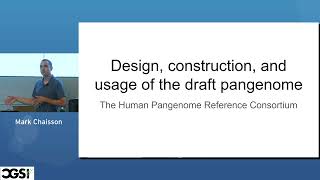
Design, Construction, and Usage of the Draft Pangenome - CGSI 2023
Explore the design, construction, and application of draft pangenomes in genomics. Learn about structural variations, gene expression impacts, and efficient genotyping techniques using cutting-edge pangenome approaches.