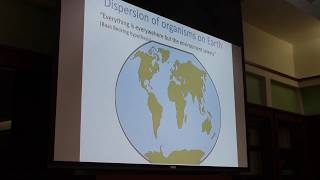
Microbial Communities - From Modelling to Understanding Ecological Organization
Explore microbial communities' complexity, diversity, and ecological significance. Discover insights into early life, species coexistence, and community assembly through interdisciplinary research and advanced modeling techniques.
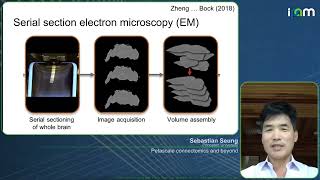
Petascale Connectomics and Beyond - IPAM at UCLA
Explore petascale connectomics, its advancements in brain mapping, and future exascale projects. Learn about automated image analysis techniques and their impact on understanding neural structures and brain function.
Learning to Untangle Genome Assembly Graphs - IPAM at UCLA
Explore deep learning techniques for untangling genome assembly graphs, improving accuracy and efficiency in DNA sequencing without manual intervention.
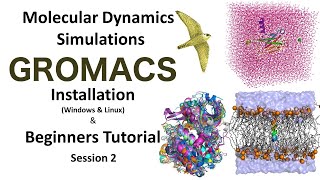
Molecular Dynamics Simulations with Gromacs - Beginner Tutorial Session 2
Learn MD simulation steps, RMSD/RMSF graph generation in Windows using Gromacs. Covers system preparation, energy minimization, equilibration, and analysis for molecular dynamics simulations.
Introduction to Next-Generation Sequencing - Galaxy Web
Learn the theory behind Next Generation Sequencing analysis pipeline and its revolutionary impact on genomics and molecular biology studies using Galaxy Web platform.

Introduction to Motif Discovery and Transcription Factor Binding Site Analysis
Comprehensive guide to motif discovery and transcription factor binding site analysis, covering basics, tools, and practical demonstrations using Homer software for ChIP-seq data analysis.

Decision Making and Learning in the Life Sciences - Lecture 2
Explore decision-making and learning in life sciences, focusing on advanced concepts and their applications in biological systems and research.

Interpretation of Evidence Using Fundamental Physics in Forensic Science
Explore how fundamental physics principles and instrumentation contribute to forensic evidence analysis, from microscopic DNA to large-scale crime scene elements.

Significance of DNA Evidence: Crime Scene to Conviction
Explore the crucial role of DNA evidence in criminal investigations, from crime scene collection to courtroom conviction, with insights from real-case experiences shared by an expert in forensic science.

Is Quality Compromised in Forensic DNA - Preventing Contamination and Working with Imperfect Specimens
Explore measures to prevent forensic DNA contamination and techniques for working with imperfect specimens, ensuring the integrity of crucial evidence in criminal investigations.

The Use of 3D Printing in Humanitarian Forensics
Explore 3D printing's innovative applications in humanitarian forensics for identifying the deceased, including antemortem data collection, DNA sampling, and dental record analysis.
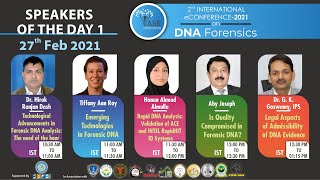
DNA eConference - Day 1
Explore cutting-edge DNA forensics research and applications in this international eConference, featuring expert presentations on the latest advancements in forensic science.
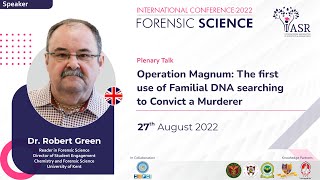
Operation Magnum - First Use of Familial DNA Searching to Convict a Murderer
Dr. Robert Green explores the groundbreaking use of familial DNA searching in Operation Magnum, leading to the conviction of the Saturday Night Strangler, Joseph William Kappen, for his 1973 crimes.

The New Advances in Forensic Science
Renowned forensic scientist Dr. Henry Lee discusses recent advancements in forensic science, drawing from his extensive experience in high-profile cases to illustrate the field's evolving role in criminal justice.
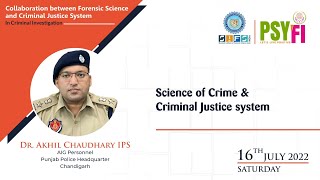
Science of Crime and Criminal Justice System
Explore scientific approaches in crime-solving and criminal justice with insights from Dr. Akhil Chaudhary IPS. Learn how forensic evidence aids police investigations and judicial processes.
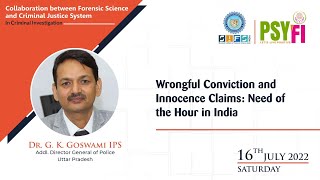
Wrongful Conviction and Innocence Claims in India - The Role of Forensic Science
Exploring forensic science's role in sexual offense investigations, wrongful convictions, and the Innocence Project's importance in India's criminal justice system.

DNA Disruption - What Genomics Needs Next
Explore the future of genomics with industry experts, discussing advancements, challenges, and potential breakthroughs in DNA research and its applications.
Solving Molecular Analysis of Cancer: From DNA to Proteins
Explore molecular cancer analysis using open-source networking for real-time data sharing. Learn about high-speed data flows, optimized databases, and privacy considerations in precision medicine.
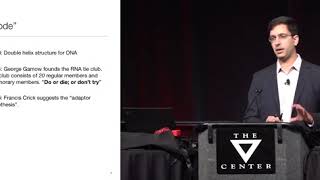
A Mathematical Introduction to the Molecular Biology of the Cell
Explore the intersection of mathematics and molecular biology in this insightful lecture, unveiling how mathematical concepts illuminate cellular processes and mechanisms.
Are DNA Testing Kits Good? - Benefits and Concerns
Explore the science, accuracy, and ethical implications of at-home DNA testing kits with experts in genetic genealogy, evolutionary genetics, and scientific publishing.
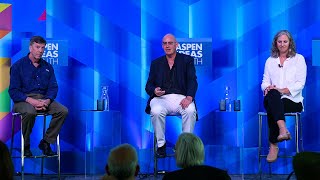
Microbes, Diet, and Immunity - The Interplay of Human Health
Explore the revolutionary impact of microbiome research on medicine, health, and disease. Learn how diet, exercise, and stress affect trillions of microbes in our bodies and their influence on various medical conditions.