
Le numérique a soif ! | Nicolas Bard | TEDxSaintEtienne
Derrière chaque photo, chaque clic, chaque vidéo… se cache un verre d’eau. Le numérique n’est pas virtuel : il mobilise des ressources bien réelles — énergie, métaux, eau. Dans cette conférence, Nicolas Bard explore le cycle invisible de nos usages et propose une autre façon d’utiliser la technologi

Şehrin Görünmez Midesi | Ceren Özcan | TEDxYildizTechnicalUniversity
Bu konuşma, şehirlerin görünmeyen bağımlılığı olan gıda tedariğine odaklanıyor. Her gün soframıza gelen ürünlerin, aslında binlerce kilometrelik yolculuklar ve ciddi karbon salımları sonucu ulaştığını gözler önüne seriyor. Üretimden taşımacılığa, depolamadan dağıtıma kadar her aşamanın çevresel etki

What Bees Can Teach Us About Being Human | Tomáš Gabzdil Libertíny | TEDxHumenné
Tomáš Gabzdil Libertíny is a Slovak visual artist and designer based in Rotterdam, internationally recognized for his sculptures created in collaboration with honeybees. Working with beeswax and living colonies as creative partners, he transforms nature’s intelligence into works that blur the line b

Are cats and their parasites taking over the world? | Emily Jenkins | TEDxUniversityofSaskatchewan
Cats can be found on every continent except for Antarctica, making them one of the most widespread animals in the world. But where cats go, their parasites follow — even as far north as the Canadian Arctic. One strange little hitchhiker, the parasite Toxoplasma gondii, may be a more prolific travell

Des toilettes pour sauver la planète | Clarisse LOAEC | TEDxSaintEtienne
Nos urines et matières fécales sont des richesses oubliées avec l'arrivée des engrais de synthèse et miniers pour l'agriculture, alors que ce se sont des ressources inépuisables et locales. Ces "déchets" sont évacués dans l'eau potable par nos toilettes. Or, poisons pour nos cours d'eau, ils devienn

Negócios de Impacto: Caminhos para regeneração | Estevan Sartoreli | TEDxIlhabela
Estevan Sartoreli construiu uma carreira orientada por metas, performance e reconhecimento, até perceber que crescer sem questionar o impacto das próprias escolhas também é uma forma de ampliar as crises do nosso tempo. Ao viver a desconstrução desse modelo de sucesso, redireciona sua trajetória par

Carne sintetica: il suo futuro dipende dal nostro cervello | Laura Gagliardi | TEDxVerbania
Perché l’idea della carne coltivata suscita in molte persone una reazione immediata di rifiuto? Questo talk esplora le radici psicologiche delle percezioni negative verso le nuove tecnologie alimentari, mostrando come un’emozione antica e potente, il disgusto, influenzi le nostre scelte molto più d

SUPERVALLEY: un progetto di transizione e rigenerazione del suolo | Filippo Lafleur | TEDxVerbania
E se la pianura padana diventasse il più grande laboratorio europeo di transizione agroecologica? Un viaggio nel potenziale trasformativo di 5 milioni di ettari, un progetto che dimostra come il territorio agricolo possa diventare il motore della transizione ecologica, passando da estrattivo a gener
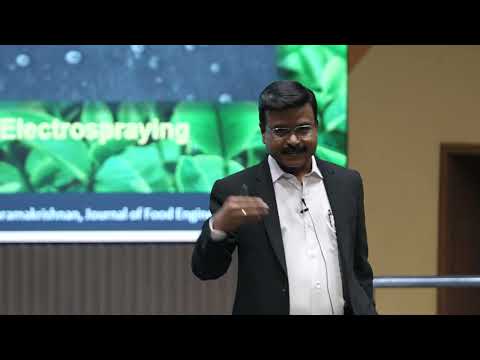
Future of Food Innovation | Anandharamakrishnan C. | TEDxIISERTVM
In his TEDxIISERTVM talk, Dr. C. Anandharamakrishnan talks about the future of food technology, and describes the implementation of an idea resulting from the collaborative effort of multiple fields, case in point: 3D printing and food. Dr. C. Anandharamakrishnan, Director of the CSIR–Central Food

Coffeeshops: overcoming stigma to support care and healing | Simone van Breda | TEDxAmsterdam
NOTE FROM TED: Please do not look to this talk for health advice. This talk only represents the speaker’s personal views and understanding of cannabis use and regulation. Research around its efficacy for several conditions, such as Parkinson’s, has not yet been established and warrants further scien

La Ciudad Invisible | Paula Estrada Ramírez | TEDxAmericanSchoolOfGuatemala
Esta charla TEDx revela el mundo oculto que existe bajo nuestros pies: el suelo como un ecosistema vivo lleno de organismos que trabajan constantemente para sostener la vida. A través de la metáfora de una “ciudad invisible”, la charla explica cómo los microorganismos, raíces y lombrices forman un s

We’re Not Running Out of Resources | Chiara Cecchini | TEDxBerlin Women
What if everything we call ‘scarcity’ is really a failure of imagination? This talk explores a future where food no longer depends on extracting from land but on complementing it—where human ingenuity, elemental abundance, and thoughtful stewardship unlock a food system that restores ecosystems inst

Insectos, nuestros mejores aliados | Gustavo Martínez | TEDxSaintGregory'sCollege
¿Qué pasaría si los insectos desaparecieran mañana? Gustavo Martínez ofrece una mirada científica y transformadora que desafía prejuicios y nos invita a reconocer el rol estratégico que cumplen los insectos en nuestra realidad y en la supervivencia humana. Curioso. Me gusta saber por qué ocurren las

Behind Sustainability: What are Usually Overlooked? | Tony Tan | TEDxYouth@BHIS
I'm going to talk about the efforts behind sustainability that are usually overlooked. I'm Tony T, a student who explores the possibilities of sustainable food production systems. This talk was given at a TEDx event using the TED conference format but independently organized by a local community. Le

Ancient food fermentation meets modern science | Ram Kulkarni | TEDxElproIntlSchool
Thousands of years ago, humans mastered fermentation by instinct—preserving food, enhancing flavour, and improving health without ever naming the science behind it. Today, modern biotechnology peers inside those same jars, decoding the microbes, molecules, and mechanisms at work. This talk explores

The art and science of wine tasting | Qian Janice Wang | TEDxNoVA
What complexity really means in wine and how it shapes taste, quality, and perception Qian Janice Wang is an experimental psychologist and computer scientist exploring why we eat what we eat. As Head of Section for Design and Consumer Behaviour at the University of Copenhagen’s Department of Food Sc

I know what you grew last summer | Steve Shirtliffe | TEDxUniversityofSaskatchewan
What if satellites could help farmers plan smarter for the next season? Drawing from his roots on a Prairie farm and his career pioneering agriculture research, this talk explores how drones, satellite imagery and AI unlock new ways to manage crops and land. But how do we harness big data in digital
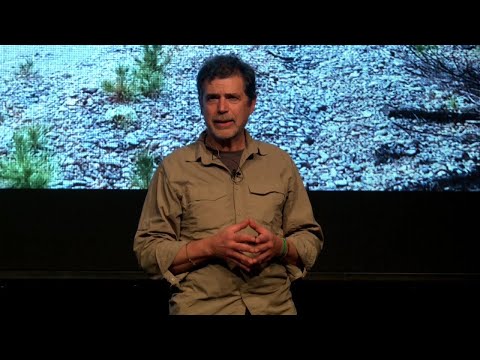
Los pinos invasores en la Patagonia y los incendios | Pedro Laterra | TEDxBariloche
Los pinos asilvestrados en Patagonia se encuentran en plena fase expansiva, cambiando los ecosistemas y los paisajes de la región. Más allá de lo que nos dice la ciencia, nuestras valoraciones y decisiones en relación a ellos, están moldeadas por los relatos e imágenes que recibimos y que propagamos

Building a Sustainable Food Culture with Seaweed | Heejae Lee | TEDxSNU
Heejae Lee discovered the idea of seaweed-based cultivated meat through curiosity. Within this idea, a variety of challenges and experiences have come together to open up new possibilities for sustainable food. He develops his research on cultivated meat, hoping this innovative idea can offer a solu

Sufficiency: the forgotten sustainability strategy | Joost Declercq | TEDxBrussels
Wat als de meest duurzame gebouwde toekomst niet draait om méér technologie, maar om minder nodig hebben? Als onderzoeksdirecteur bij archipelago architects en docent aan de Universiteit Hasselt laat Joost zien hoe het principe sufficiëntie onze steden en gebouwen volledig op hun kop zet. In deze ta

Does Sustainable Mobility Go Beyond the Electric Car? | Mohammed Ismaeel | TEDxBaghdad
This talk challenges the common belief that sustainability in mobility can be achieved simply by changing the type of vehicle we drive. By uncovering the hidden complexity behind modern cars, it looks beyond tailpipe emissions to examine materials, supply chains, energy consumption, and full life-cy