
Analyzing and Fuzzing for Qualcomm Hexagon Processor
Explore techniques for analyzing and fuzzing Qualcomm Hexagon processors, overcoming challenges in firmware analysis, emulation, and hardware-dependent targets for enhanced security research.

Hermes Attack - Steal DNN Models in AI Privatization Deployment Scenarios
Unveils a novel attack exploiting PCIe bus vulnerabilities to reconstruct DNN models in AI privatization scenarios, discussing challenges, techniques, and countermeasures.
Unpacking the Packed Unpacker - Reverse Engineering an Android Anti-Analysis Native Library
Gain tools and techniques to expose hidden Android malware through reverse engineering of anti-analysis native libraries, enhancing your ability to combat mobile threats.
Windows Offender - Reverse Engineering Windows Defender's Antivirus Emulator
Dive into the internals of Windows Defender's antivirus emulator, exploring its binary analysis techniques for potentially malicious PE files. Gain unique insights into reverse engineering antivirus systems.
Sleight of ARM - Demystifying Intel Houdini
Explore Intel's Houdini binary translator for running ARM on x86, its architecture, security implications, and comparison with Apple's Rosetta 2, focusing on Android emulation and Chromebooks.
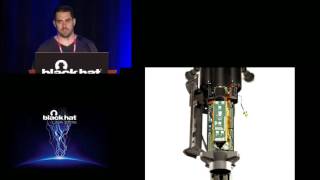
When IoT Attacks - Hacking a Linux-Powered Rifle
Explore the security vulnerabilities of a Linux-powered precision rifle, including reverse engineering, attack surfaces, and implications of network-connected firearms.
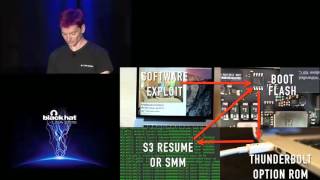
ThunderStrike 2 - Sith Strike
Explore firmware vulnerabilities in Mac systems, demonstrating software-only attacks and showcasing the potential of Mac firmware malware. Learn about shared vulnerabilities and case studies.
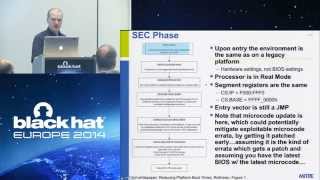
Analyzing UEFI BIOSes from Attacker & Defender Viewpoints
Explore UEFI BIOS analysis from attacker and defender perspectives, covering key concepts like UEFI boot phases, firmware storage, and security implications for effective reverse engineering of modern PC firmware.

Hacking the Wireless World with Software Defined Radio - 2.0
Explore RF spectrum analysis, reverse engineering wireless systems, and hacking techniques using software-defined radio. Learn to decode satellite communications, track aircraft, and monitor ACARS.
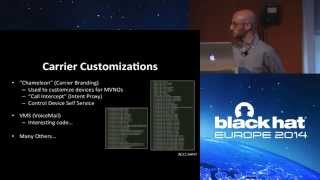
Cellular Exploitation on a Global Scale - The Rise and Fall of the Control Protocol
Explore hidden cellular device controls, their vulnerabilities, and potential for global exploitation. Learn reverse engineering techniques and gain insights into Over-the-Air code execution across major platforms.
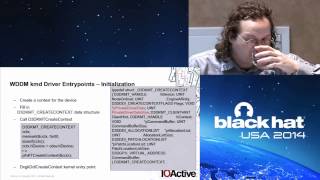
Windows Kernel Graphics Driver Attack Surface
Explore the attack surface of Windows graphics drivers, including exposed ioctl's, driver internals, and security implications for researchers and developers.
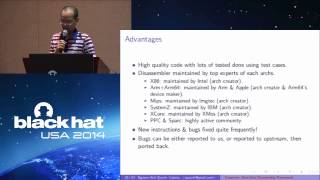
Next Generation Disassembly Framework
Explore next-gen disassembly framework for multi-architecture binary analysis. Learn about Capstone engine's features, design challenges, and potential applications in reversing, exploit development, and malware detection.
Repurposing OnionDuke - A Single Case Study Around Reusing Nation State Malware
Explore the process of reverse engineering and repurposing OnionDuke, a suspected Russian government malware, for use in other tools. Learn about malware analysis and ethical considerations in cybersecurity research.
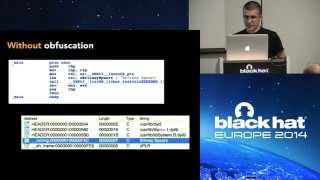
C++11 Metaprogramming Applied to Software Obfuscation
Explore advanced C++11 metaprogramming techniques for software obfuscation, including compile-time code generation, polymorphism, and practical applications like string encryption and call obfuscation.
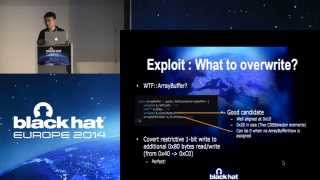
WebKit Everywhere - Secure or Not?
Explore WebKit security, vulnerabilities, and exploitation techniques across platforms. Learn about security enhancements, mitigation strategies, and advanced exploit methods with real-world demos.
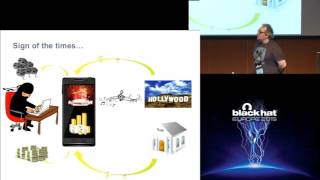
Unboxing the White-Box - Practical Attacks Against Obfuscated Ciphers
Explore practical attacks on obfuscated ciphers, focusing on White-Box Cryptography. Learn techniques to assess security, understand vulnerabilities, and evaluate robustness against key extraction in software implementations.
Authenticator Leakage Through Backup Channels on Android
Explore Android authentication vulnerabilities through backup channels. Learn about security risks, attack vectors, and mitigation strategies for app developers and protocol analysts.
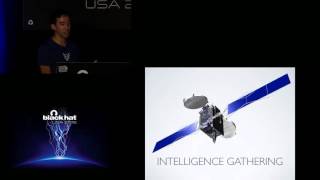
Spread Spectrum Satcom Hacking - Attacking The Globalstar Simplex Data Service
Explore reverse engineering and exploitation of GlobalStar's simplex satcom protocol, uncovering vulnerabilities in satellite communications and demonstrating interception and spoofing capabilities.
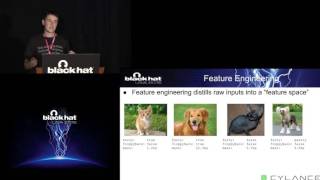
Deep Learning on Disassembly
Explore deep learning techniques applied to disassembly for malware identification, covering the process from raw binaries to model training and evaluation against active malware feeds.
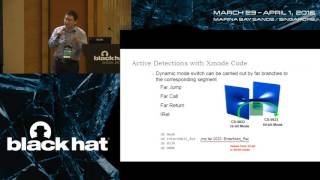
Break Out of The Truman Show - Active Detection and Escape of Dynamic Binary Instrumentation
Explore active detection techniques for Dynamic Binary Instrumentation, focusing on exploiting weaknesses and escaping control. Learn to identify and overcome DBI environments in cybersecurity.
Rapid Radio Reversing
Explore wireless security research techniques combining SDR and non-SDR tools. Learn efficient reverse engineering processes for analyzing and decoding radio signals in this hands-on demonstration.