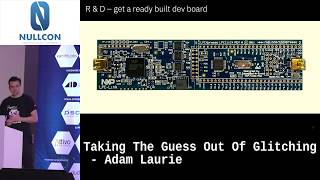
Taking the Guess Out of Glitching
Explore fault injection techniques in hardware hacking with practical tips on timing, intensity, and effectiveness. Learn innovative methods to determine optimal glitch timing for successful attacks.
PwdLess - Exploitation Tales from RouterLand
Explore IoT device security through an attacker's perspective, covering fuzzing, reverse engineering, and exploit development. Learn about vulnerabilities, remote execution techniques, and challenges in IoT security.

Security Alarm System - Feeling of Security or Cause for Alarm
Explore vulnerabilities in home security alarm systems, including PIN code sniffing, keypad emulation, and RF attacks. Learn about firmware reverse engineering and its implications for system security.

Reversing and De-Obfuscating Malware with Software Emulation
Hands-on lab exploring real malware samples, demonstrating how software emulation aids in quick analysis of simple and complex malware, including techniques for interacting with and understanding obfuscated code.
How to Bypass AM-PPL & Disable EDRs - A Red Teamer's Story
Explore techniques to bypass Microsoft's AM-PPL technology and disable EDR products, presented by experienced red team leaders. Learn about vulnerabilities in Windows security measures and their potential exploitation.
Finding and Exploiting Bugs in TLS Libraries Used by Smart UPS Devices
Explore zero-click vulnerabilities in smart UPS devices, uncovering potential remote takeover risks and physical threats. Includes demonstration of exploits and discussion on cybersecurity implications.

Shack On The Beach
Adam Laurie explores reverse engineering of secure embedded systems in electronic communications, sharing insights from his extensive experience as a security consultant and DEFCON senior staff member.
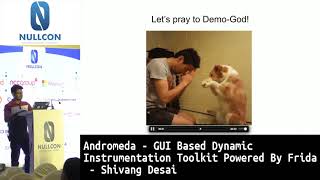
Andromeda - GUI Based Dynamic Instrumentation Toolkit Powered by Frida
Explore Andromeda, a GUI-based toolkit for dynamic app analysis. Learn about class enumeration, method hooking, and runtime memory analysis features that enhance mobile security research and penetration testing.
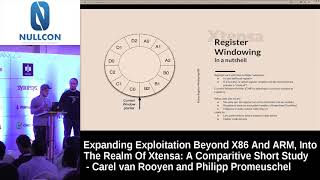
Expanding Exploitation Beyond X86 and ARM
Comparative study of Xtensa architecture for IoT devices, exploring differences from ARM for security researchers. Covers assembly instructions, security mechanisms, gadget searching, and post-boot persistence techniques.

Hypervisors in Your Toolbox - Monitoring and Controlling System Events with HyperPlatform
Explore HyperPlatform, a thin hypervisor for Windows, enabling flexible handling of system events and rapid implementation of hypervisor-based tools with high compatibility and efficiency using Intel VT-x technology.

Medical Malware on Android
Explore Android medical malware through live reverse engineering of a COVID-19 app. Learn about other health-related threats and get advice on safe smartphone use for medical purposes.
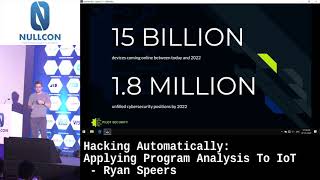
Hacking Automatically - Applying Program Analysis to IoT
Discover how program analysis can uncover vulnerabilities in IoT devices. Learn about firmware analysis challenges, memory corruption patterns, and see 20 real-world examples of security flaws identified through automated techniques.
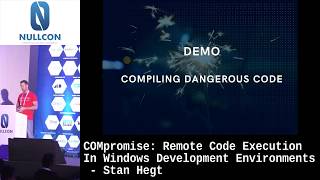
COMpromise - Remote Code Execution in Windows Development Environments
Explore how viewing untrusted code in Windows IDEs can lead to remote code execution through COM vulnerabilities, with practical exploit chains for Visual Studio demonstrated.
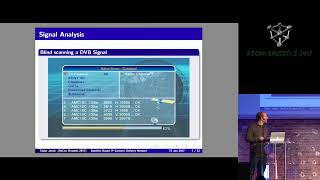
Reverse Engineering Satellite Based IP Content Distribution
Reverse engineering satellite IP content delivery: from reception to packet analysis, error correction, and high bitrate handling. Culminates in creating a Linux-based client mimicking commercial versions.
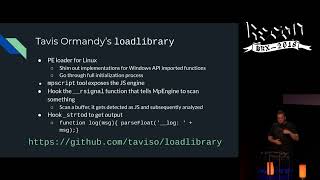
Reverse Engineering Windows Defender's JavaScript Engine
Reverse engineering Windows Defender's JavaScript engine: analysis, functionality, tooling, and potential vulnerabilities in MpEngine.dll's core antivirus system.
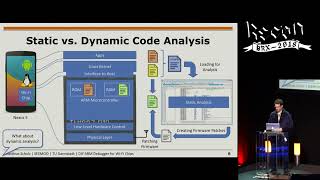
DIY ARM Debugger for Wi-Fi Chips
Explore DIY ARM debugging for Wi-Fi chips using Nexmon framework. Learn to set breakpoints, handle debugging events, and perform single-step debugging on Cortex-R4 microcontrollers in FullMAC Wi-Fi firmwares.
Robin Hood vs Cisco ASA AnyConnect
Detailed analysis of a critical vulnerability in Cisco ASA AnyConnect, covering fuzzing architecture, bug analysis, and exploitation techniques for IKEv1 packets.

Static Analysis-Based Recovery of Service Function Calls in UEFI Firmware
Discover a new tool for automated recovery of service calls and EFI type info in UEFI firmware, simplifying vulnerability hunting and making firmware code resemble original source.
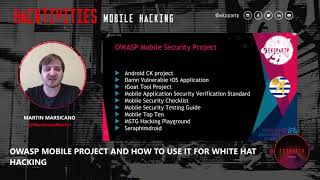
Mobile Hacking - OWASP Mobile Project and How to Use It for White Hat Hacking
Explora los proyectos OWASP para seguridad móvil: MASVS para verificación y MSTG para pruebas e ingeniería inversa. Aprende a evaluar y mejorar la seguridad de aplicaciones iOS y Android.
Introduction to Reverse Engineering of Radio Signals
Explore practical COMINT operations through reverse engineering of LRPT signals from a Russian weather satellite. Learn to deduce signal parameters for successful demodulation and data extraction.

Out of the -v-Box
Análisis técnico de vulnerabilidades en VirtualBox para lograr un escape de máquina virtual, incluyendo ingeniería inversa, explotación y demostración práctica del exploit.