
50 Linux Commands Every Developer Must Know
Comprehensive guide to essential Linux commands for developers, covering file management, system monitoring, networking, and more. Enhance productivity and efficiency in Linux environments.

Crafting Your Dockerfile for Robotics Projects - Docker Tutorial Part 3
Learn to craft effective Dockerfiles for robotics projects, covering user management, networking, GUI programs, and best practices for creating robust Docker images.
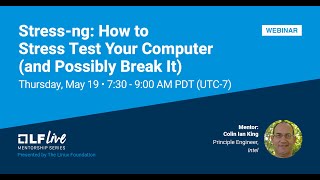
Stress-ng: How to Stress Test Your Computer (and Possibly Break It)
Explore stress-ng, a powerful tool for stress testing kernels and hardware. Learn testing concepts, practical examples, and how to contribute to this essential project for system reliability.
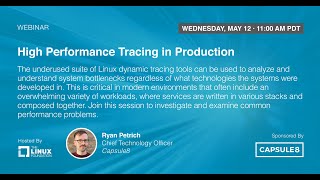
High Performance Tracing in Production
Explore high-performance tracing techniques for Linux systems, focusing on dynamic tools to analyze bottlenecks across diverse workloads and technologies in modern production environments.
How to Use Command Line - Basic Tutorial
Learn essential command line skills for developers, including file system navigation, permissions, and automation. Gain practical knowledge applicable across platforms.

Shell Scripting Tutorial - Comprehensive Guide
Comprehensive tutorial on shell scripting, covering Vim, I/O, variables, math, functions, conditionals, strings, arrays, looping, and parameter expansions for efficient command-line programming.

How to Create Custom Artisan Commands in Laravel 8
Learn to create custom Artisan commands in Laravel 8, interact with databases using Eloquent, and implement advanced features like progress bars and table outputs for enhanced command-line functionality.
Difference Between 32-Bit & 64-Bit Operating System
Explore the differences between 32-bit and 64-bit operating systems, covering CPU registers, addressable space, data calculation, and advantages of 64-bit systems.
System Calls in Operating System - Theory, Example, Hands-on Terminal
Comprehensive exploration of system calls in operating systems, covering theory, examples, and hands-on terminal practice. Includes user-kernel mode transitions and various types of system calls.
Components of Operating System
Explore key components of operating systems, including user space, kernel types, and their functions. Learn about monolithic, micro, and hybrid kernels, and understand IPC.
Solving LeetCode Problems on Concurrency - Operating Systems Placement Series
Explore LeetCode concurrency problems in operating systems, focusing on FooBar alternation, zero-even-odd printing, and H2O building challenges.

What Is Thrashing - Important Interview Question
Explore thrashing in operating systems through engaging scenarios, definitions, and techniques. Learn about CPU utilization, multi-programming, and strategies to handle thrashing effectively.
Page Replacement Algorithms - How to Implement LRU Algorithm
Explore page replacement algorithms in operating systems, including FIFO, Optimal, and LRU. Learn implementation techniques for LRU cache and understand Belady's Anomaly.
What Is Virtual Memory - Page Fault in OS
Comprehensive exploration of virtual memory concepts, including demand paging, page faults, and their advantages. Covers key principles and practical applications in operating systems.
What Is Segmentation - Non-Contiguous Memory Allocation
Explore segmentation in operating systems, including address translation, advantages, and disadvantages. Learn about non-contiguous memory allocation and its implications for system performance.
What Is Paging - Non-Contiguous Memory Allocation
Explore paging in operating systems, including address translation, context-switching, and performance optimization techniques like Translation Look-aside Buffer (TLB).
How OS Manages Free Space - Memory Management
Explore memory management in operating systems, covering free space management, defragmentation, and allocation methods like First-Fit and Best-Fit for efficient resource utilization.
Memory Management in OS - Contiguous Memory Allocation
Explore memory management in operating systems, covering logical and physical address spaces, memory protection, address translation, and contiguous memory allocation techniques.
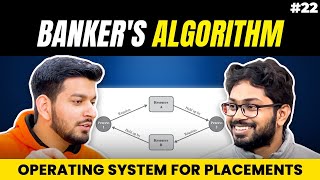
Deadlock Avoidance - Deadlock Detection and Recovery
Comprehensive exploration of deadlock avoidance, detection, and recovery in operating systems, featuring Banker's Algorithm and wait-for graphs. Includes practical examples and motivational tips for learners.
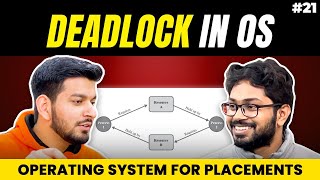
What is Deadlock - Necessary Conditions - Handling Methods
Comprehensive exploration of deadlocks in operating systems, covering definition, conditions, resource allocation graphs, and prevention methods. Ideal for understanding this critical OS concept.
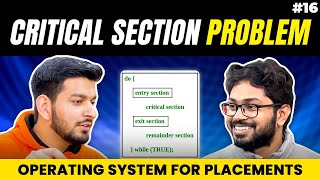
Critical Section Problem - Race Condition in OS
Explore thread scheduling, race conditions, and solutions like Peterson's and mutex locks. Gain practical insights with hands-on examples and learn critical section problem-solving techniques.