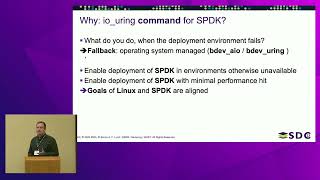
xNVMe and io_uring NVMe Passthrough: Comparing SPDK and Linux NVMe Drivers
Explore the evolution of NVMe drivers, comparing SPDK's userspace approach with Linux's io_uring and xNVMe implementations, focusing on performance benchmarks and system architecture differences.

libvfn: A Low-level NVMe Application and VFIO Driver Framework
Dive into the implementation of libvfn, an open-source library for PCIe-based NVMe devices, exploring VFIO-based user-space drivers, NVMe driver implementation, and performance optimization techniques.
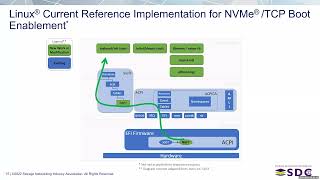
NVMe over Fabrics Boot Standardization and Implementation
Discover how NVMe over Fabrics Boot technology enables network-based OS booting, standardization efforts, and implementation strategies for large-scale deployments.

Modern GPU Drivers: Shifting Responsibilities from Kernel to Firmware and Usermode
Explore modern GPU driver architecture evolution, focusing on shifting responsibilities from kernel to firmware and usermode, with insights from Panthor and PowerVR implementations.
Linux DRM Bridge: A Potential Replacement for DRM Encoders in Display Solutions
Explore the evolution of Linux DRM subsystem's display drivers, focusing on the transition from encoders to bridges and its impact on modern display solutions in the Linux kernel.
GPU Reset Recovery and Error Handling in Linux
Explore GPU reset mechanisms in Linux, understanding error propagation, device recovery challenges, and proposed improvements for handling graphics hardware failures.

Getting Freedreno Running on Android - Development Guide and Best Practices
Explore the process of porting Freedreno open-source graphics drivers to Android, covering development setup, debugging, testing, and practical implementation challenges.
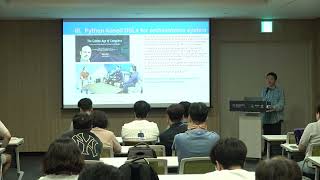
Beyond Kubernetes: Exploring Lightweight Orchestration Systems for Edge Computing
Explore the future of container orchestration beyond Kubernetes, examining lightweight alternatives for edge computing and emerging workloads like Wasm, eBPF, and AI using Python-based DSLs.
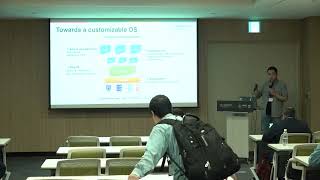
EulerMaker - Building Full-Scenario Operating Systems
Discover how to customize scenario-based operating systems using EulerMaker's integrated construction system for efficient source code integration and system image building.
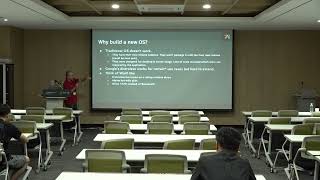
Building Secured Container Images with Wolfi - Zero CVE Container Development
Discover how to achieve zero CVE container security using Wolfi OS, a modern alternative to traditional distroless solutions, with practical insights from VPBank's successful implementation.
Building a K3s-Ready Operating System with Elemental Toolkit
Master elemental-toolkit to create customized, cloud-init driven Linux derivatives for VMs, bare metal, and edge devices, focusing on efficient OS image building with minimal footprint and cloud-native principles.
No More Re-execs: Speeding Up Docker Container Startup Using Runtime LockOSThread
Dive into the technical challenges and solutions for optimizing Docker container startup times by addressing Go runtime's interaction with Linux unshare system calls and modern workarounds.
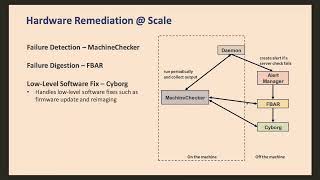
Debugging Flash Issues in Hyperscale Environments - Methods and Tools
Dive into advanced debugging methodologies for flash storage issues in hyperscale environments, focusing on Meta's innovative tools like tracewatch and retrace for efficient failure analysis and monitoring.
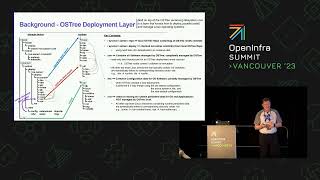
Using OSTree Atomic Updates to Reduce Outage Times in StarlingX Cloud Upgrades
Discover how OSTree enables atomic upgrades and reduces outage times in Linux-based systems, focusing on filesystem management, pre-deployment installations, and efficient root filesystem updates through hardlinks.
Containers From Scratch - Understanding Container Fundamentals and Implementation
Dive into the fundamentals of container technology, exploring core concepts, terminology, and hands-on demonstrations to understand how containers actually work under the hood.
Sokovan - Container Orchestrator for Accelerated AI/ML Workloads and Massive Scale GPU Computing
Discover how Sokovan optimizes AI/ML workloads through intelligent container orchestration, featuring dual-layer scheduling and hardware acceleration integration for enhanced GPU computing performance.
LLM as Next-Generation Operating System - Memory Augmented Systems and Continuous Chat
Explore how memory-augmented LLMs can revolutionize operating systems, focusing on multi-AI integration and continuous chat capabilities for next-generation computing architectures.
Multi Queue Linux Block Device Drivers in Rust - Building Safe Kernel Drivers
Explore the implementation of Linux block device drivers using Rust, focusing on memory safety, performance optimization, and practical applications in NVMe and null_blk drivers.
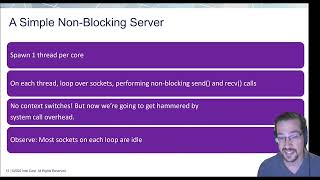
Network Stacks for Storage Developers - A Survey of Performance Optimization Techniques
Master advanced network stack optimization techniques for storage protocols, from basic POSIX calls to cutting-edge io_uring features, across Linux, FreeBSD, and Windows platforms.
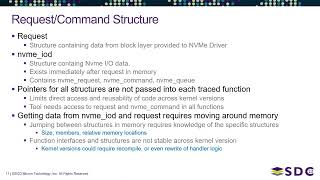
Understanding Applications Through NVMe Driver Tracing Using BPF
Discover how to leverage BPF for analyzing application-device interactions, tracing NVMe drivers, and gaining valuable insights into workload performance through practical examples and Linux system tools.
Booting Over NVMe/TCP Transport Using UEFI Implementation
Discover how to implement network-based OS booting using NVMe/TCP transport, exploring the new NVM Express Boot Specification and its integration with UEFI for standardized multi-vendor deployments.