
Neurology - Cerebrum: Temporal Lobe Anatomy & Function
Explore temporal lobe anatomy and function, including auditory processing, language comprehension, and olfactory perception. Learn about key areas like Wernicke's area and their roles in cognitive processes.

Social Cognition - A Peek Through a Multimodal Lens
Explore social cognition through multiple perspectives, examining how we perceive and interact with others. Gain insights into human behavior and decision-making processes in social contexts.

Coding Consciousness - An Algorithm for Awareness?
Explore theories of consciousness with computer scientists Lenore and Manuel Blum as they discuss the potential for coding self-awareness into algorithms, moderated by Brian Greene.
Basic Models of Animal Cognition - Part 3
Explore diverse cognitive strategies in animals for problem-solving, from navigation to social relationships. Learn scientific methods for measuring animal cognition in field and lab settings.

The Power of Nurturing Babies in the First 1001 Days
Explore the transformative impact of nurturing babies from conception to age two on brain development and emotional intelligence. Learn how love and touch shape a child's future and can create a more connected world.
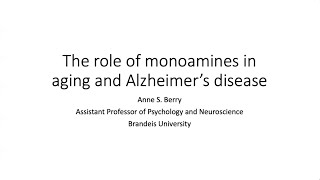
The Role of Monoamines in Aging and Alzheimer's Disease
Explore the impact of monoamines on aging and Alzheimer's disease through cutting-edge research and insights from Dr. Anne Berry of Brandeis University.
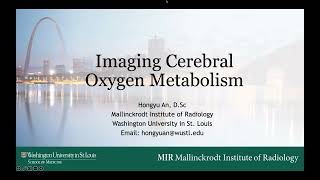
Imaging Cerebral Oxygen Metabolism
Explore advanced techniques for imaging cerebral oxygen metabolism, enhancing understanding of brain function and potential clinical applications.
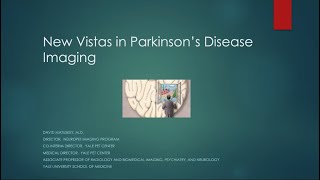
Parkinson's Disease Motor Severity Associated with Synaptic Density and Dopamine Transporter PET - BrainMap Lecture
Explore the relationship between Parkinson's disease motor severity, synaptic density, and dopamine transporter PET in this insightful presentation by Dr. David Matuskey from Yale University.
The Chemistry of Concussions: Magnetic Resonance Spectroscopy of Mild Traumatic Brain Injury
Explore the chemical aspects of concussions and mild traumatic brain injury through magnetic resonance spectroscopy. Gain insights from Dr. Alexander Lin's research at Harvard Medical School.
Presurgical Evaluation in Drug Resistant Epilepsy: Is It Time to Utilize Novel Biomarkers?
Explore novel biomarkers for presurgical evaluation in drug-resistant epilepsy, examining their potential to enhance treatment outcomes and patient care.
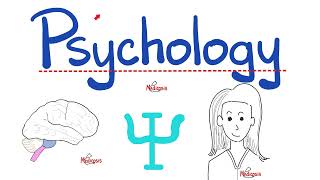
Psychology Introduction - Biology of Behavior - The Nervous System
Explore the human nervous system's organization, including CNS, PNS, and brain structures. Learn about neurotransmitters and their roles in behavior and mental functions.

Insomnia - Understanding Causes and Solutions with Sleep Expert Martin Reed
Expert insights on managing insomnia: Learn about its causes, avoid common pitfalls, and discover effective strategies for better sleep through less effortful approaches and consistent habits.
Understanding Multiple Intelligences Across Evolution and Development - There Is No Such Thing as AGI
Explore multiple intelligences across evolution and development, challenging the concept of AGI and examining diverse cognitive abilities in various species.
How Can We Detect Consciousness in Infants?
Exploring methods to detect infant consciousness using neurophysiological markers, behavioral indicators, and theoretical predictions. Discusses challenges and implications for understanding consciousness emergence.
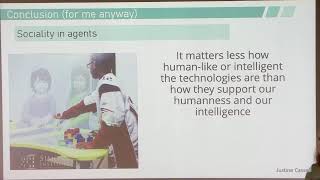
The Development of Sociality in Language and Thought
Explore the interplay between sociality, language, and cognition, examining how social interactions shape our linguistic and cognitive development.

Educability - Understanding Higher-Level Intelligence
Exploring human educability: synthesizing learning from experience, others, and chaining knowledge. Proposes a computational approach to understanding and replicating broader human capabilities beyond example-based learning.
Cultural Evolution - Understanding Higher-Level Intelligence
Explore higher-level intelligence through AI, psychology, and neuroscience perspectives, focusing on cultural evolution and its impact on human cognition.

Psychedelics and Mental Health: Science and Therapeutic Potential
Explore the scientific basis for using psychedelics in mental health treatment, led by an expert psychiatrist from Imperial College London.

Psychedelics to Treat Anorexia: Psilocybin Research at Imperial College London
Explore groundbreaking research on using psilocybin to treat anorexia, including study design, preliminary results, and potential implications for mental health treatment.
Modeling Anorexia Nervosa - Grand Rounds Lecture
Explore modeling anorexia nervosa through animal studies, examining behavioral changes, stress responses, and neurological impacts to understand eating disorder etiology and potential interventions.
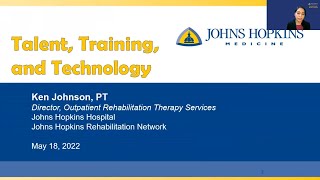
Talent, Training and Technology in Stroke Recovery
Explore innovative approaches to stroke recovery through talent, training, and technology at Johns Hopkins' SKSI 2022 Conference.