
What Does It Mean to Be Intelligent? - Howard Gardner's Theory of Multiple Intelligences
Explore Howard Gardner's theory of multiple intelligences, challenging traditional IQ tests and redefining our understanding of human cognitive abilities and potential.

The Psychology and Neuroscience of Happiness
Explore the science behind positive emotions with experts discussing neural underpinnings, emotional expertise, and ways to improve well-being through understanding pleasure in the brain.

How Sunlight Affects Our Bodies and Minds
Explore the profound impact of sunlight on sleep cycles, immune systems, and mental health. Discover unexpected health benefits and ancient wisdom about our relationship with the sun.

Psychedelic Therapy for Depression: Hope or Hype?
Explore the potential of psychedelic therapy for depression, examining scientific evidence, placebo effects, and historical context. Gain insights into the benefits, risks, and accessibility of this emerging treatment approach.

Is Reality a Controlled Hallucination? - Exploring Consciousness and Perception
Explore consciousness as a controlled hallucination through innovative theories and experiments. Delve into perception, self-awareness, and the nature of reality with neuroscientist Anil Seth.

Alpha vs Beta Adrenergic Receptors - Autonomic Nervous System
Explore alpha and beta adrenergic receptors in the autonomic nervous system, comparing cholinergic and adrenergic fibers, and their neurotransmitters.

Nicotinic vs Muscarinic Receptors
Explore the differences between nicotinic and muscarinic receptors, their roles in neurotransmission, and the impact on cholinergic and adrenergic systems in neurology.
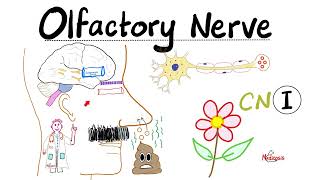
Neuroanatomy - Olfactory Nerve, Olfaction & Anosmia - Cranial Nerve I
Comprehensive exploration of the olfactory nerve, sense of smell, and anosmia. Covers anatomy, physiology, and clinical implications for medical and healthcare students preparing for various exams.
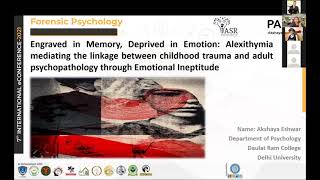
Engraved in Memory, Deprived in Emotion - Alexithymia and Childhood Trauma
Explores alexithymia's role in linking childhood trauma to adult psychopathology, examining its impact on emotional processing, brain development, and potential criminal behavior.

Animal Spirits: How Human Behavior Drives the Economy
Explore how psychological factors and group dynamics influence economic decision-making and financial markets, featuring insights from renowned economist Robert J. Shiller and leading neuroscientists.

Bringing Change to Mind on Mental Illness - Glenn Close at Neuroscience 2010
Award-winning actress Glenn Close discusses reducing stigma around mental illness, emphasizing the importance of understanding it as a brain disease and promoting positive change for affected families.

Military TBI and PTSD Research - Advancing Science, Reducing Stigma, and Providing Hope
Experts discuss military research on traumatic brain injury and PTSD, exploring scientific progress, stigma reduction, and applications to civilian health issues like epilepsy and depression.

Communication Through Touch - From Babies to Social Robots
Explore the fascinating world of tactile communication, from infant development to cutting-edge social robotics, and its impact on human interaction and technology.

The Neuroscience of Addiction - Policy Considerations
Explore the intersection of neuroscience and addiction, examining policy implications and potential interventions based on scientific understanding of addictive behaviors.

Neurology
Comprehensive exploration of nervous system anatomy, physiology, disorders, and treatments through engaging animations. Ideal for medical students and patient education.
Anatomy and Physiology Basics
Comprehensive animated overview of human anatomy and physiology, covering all major body systems, their functions, and key physiological processes.
What Happens During a Seizure
Comprehensive exploration of seizures, including brain anatomy, types, phases, and management. Offers in-depth understanding of epilepsy and its physiological mechanisms.
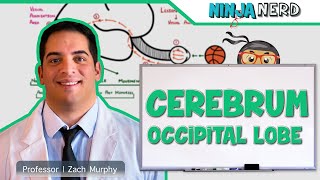
Neurology - Cerebrum: Occipital Lobe Anatomy & Function
Explore the anatomy and function of the occipital lobe in the cerebral cortex. Learn about its role in visual processing and perception, enhancing understanding of brain structure and visual cognition.

Neurology - Descending Tracts: Corticospinal Tract
Explore the corticospinal tract's anatomy and function in this comprehensive lecture, covering its path from the cerebral cortex through the brainstem to the spinal cord.

Neurology - Vestibulocochlear Nerve - Cranial Nerve VIII: Vestibular Pathway
Explore the vestibular pathway of the vestibulocochlear nerve, including its anatomy, connections, and role in balance and spatial orientation. Gain insights into this crucial sensory system.

Neurology - Limbic System Anatomy & Function
Explore the anatomy and function of the limbic system, including its role in olfaction, emotions, behaviors, and motivational responses. Learn about related white matter tracks and diseases.