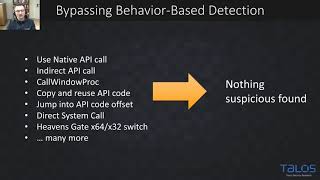
Analyzing Recent Evolutions in Malware Loaders
Análisis detallado de la evolución reciente de los cargadores de malware, sus técnicas de evasión y distribución, y métodos para detectarlos y analizarlos en entornos corporativos.

Spy Vs Spy - A Modern Study Of Microphone Bugs
Investigación detallada sobre micrófonos ocultos modernos, sus características y métodos de detección, con experimentos prácticos y desarrollo de una herramienta de código abierto basada en SDR para detectarlos.

The Corona Effect
Experts analyze pandemic-related anomalies in cybersecurity statistics, exploring impacts on online education, work-from-home trends, and emerging attack surfaces while reflecting on future implications.

A Case Study of MacOS Supply Chain Compromise
Explore MacOS supply chain vulnerabilities and learn proactive defense strategies using open-source tools for threat detection and malware identification in network environments.

The Air-Gap Jumpers
Explore covert channels for breaching air-gap isolation, including electromagnetic, acoustic, and optical methods. Learn about 'Bridgeware' malware and new air-jumping techniques.

A Practical Attack Against VDI Solutions
Demonstration of a proof-of-concept attack exploiting screen scraping to bypass VDI security measures, highlighting vulnerabilities in secure BYOD solutions.

Deep Learning on Disassembly
Explore deep learning techniques applied to disassembly for malware identification, covering the process from raw binaries to model training and evaluation against active malware feeds.

Bypassing Malware Detection Mechanisms in Online Banking
Explore vulnerabilities in online banking malware detection systems, revealing implementation errors and potential improvements for enhanced security.

Memory Forensics & Security Analytics - Detecting Unknown Malware
Explore advanced techniques in memory forensics and security analytics for detecting unknown malware, enhancing your cybersecurity skills and threat detection capabilities.

How Windows 10 Plans to Stop Script-Based Attacks and How Well It Does It
Explore Windows 10's AntiMalware Scan Interface (AMSI) for script-based attack prevention. Discover its effectiveness, limitations, and potential workarounds through live demonstrations and expert analysis.
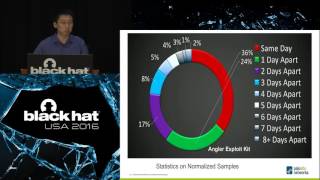
Next-Generation of Exploit Kit Detection by Building Simulated Obfuscators
Learn techniques for detecting next-gen exploit kits by simulating obfuscators. Explore implementation, evaluation, and evolution of obfuscators for 6 notorious exploit kit families to enhance cybersecurity protection.
Defeating Machine Learning - Systemic Deficiencies for Detecting Malware
Explore systemic vulnerabilities in machine learning for malware detection, covering sandbox evasion, model problems, and potential solutions for improved cybersecurity.

Deception at Scale - How Malware Abuses Trust
Explore evolving techniques used by attackers to disguise malware as legitimate, including stolen certificates, hiding in legitimate apps, and exploiting trusted distribution channels. Learn about trends and countermeasures.
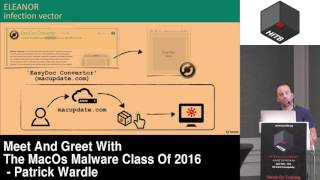
Meet and Greet with the macOS Malware Class of 2016
Technical overview of macOS malware from 2016, including infection vectors, persistence mechanisms, and features. Discusses security mitigations, detection methods, and best practices for Mac users.

Mem2Img - Memory-Resident Malware Detection via Convolution Neural Network
Innovative framework using convolutional neural networks to detect memory-resident malware, overcoming limitations of traditional antivirus software and handcrafted feature-based approaches.
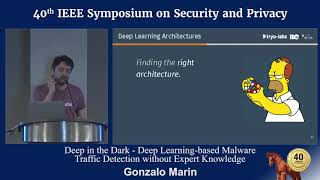
Deep in the Dark - Deep Learning-based Malware Traffic Detection without Expert Knowledge
Explores deep learning models for malware traffic detection using raw network data, comparing performance to traditional approaches and evaluating different input representations.
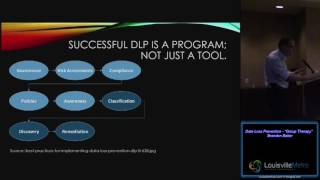
Data Loss Prevention Group Therapy
Explore data loss prevention strategies, pitfalls, and innovative use cases. Learn how to implement effective DLP programs, detect malware, and address common challenges in information security.

Catching Malware En Masse - DNS and IP Style
Innovative strategies to detect and mitigate malware at DNS and IP levels, including botnet tracking, AS graph analysis, and IP range investigation. Includes a 3D visualization engine for effective threat intelligence.
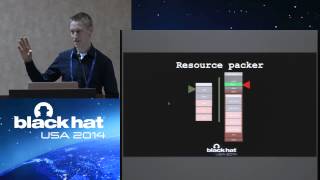
One Packer to Rule Them All
Explore advanced packing techniques to evade antivirus detection, including new methods for x86 and x64 malware. Learn about static, emulation, and runtime detection stages and how to bypass them.
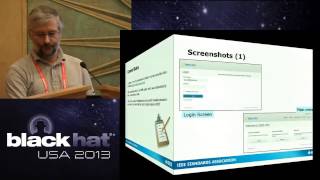
CMX - IEEE Clean File Metadata Exchange
Explore IEEE's CMX system for efficient software whitelisting, reducing false positives in security through metadata exchange without copyright concerns.

BadUSB - On Accessories that Turn Evil
Explores USB security vulnerabilities, demonstrating malware in controller chips, device spoofing, and system compromises. Discusses potential defenses against USB-based attacks.