Clostridium Bacteria Review - Difficile, Perfringens, Tetani, and Botulinum
Comprehensive review of Clostridium bacteria, covering difficile, perfringens, tetani, and botulinum. Explores microbiology, infectious diseases, and clinical implications of these important pathogens.
Microbiology with Picmonic - Shigella, EHEC, HUS, Yersinia Enterocolitica & Pestis
Explore key bacterial pathogens: Shigella, EHEC, and Yersinia species. Learn about their characteristics, associated diseases, and clinical implications in this comprehensive microbiology lecture.
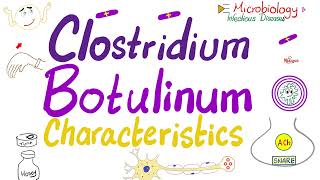
Clostridium Botulinum Characteristics - Microbiology and Infectious Diseases
Explore Clostridium botulinum's characteristics, its role in botulism, and the mechanism of botulinum toxin in inhibiting acetylcholine release, causing flaccid paralysis.
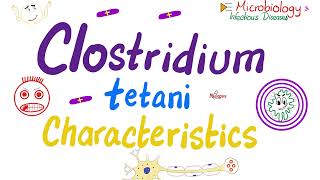
Clostridium Tetani Characteristics - Tetanospasmin- Paralysis - Microbiology and Infectious Disease
Explore Clostridium tetani's characteristics, tetanospasmin's role in causing spastic paralysis, and its impact on infectious disease. Gain insights into this gram-positive rod's pathogenesis and clinical significance.
Gram-Positive Cocci - Quick Review - Microbiology and Infectious Diseases
Comprehensive review of gram-positive cocci bacteria, covering key aspects for medical exams. Focuses on bacteriology, infectious diseases, and clinical relevance for healthcare professionals.
Streptococcus Pneumoniae Diagnosis and Treatment - Microbiology and Infectious Diseases
Comprehensive overview of pneumococcal infection diagnosis and management, covering clinical presentation, laboratory tests, and treatment strategies for various manifestations.
Streptococcus Pneumoniae - Microbiology and Infectious Diseases
Comprehensive overview of Streptococcus pneumoniae, covering microbiology, clinical features, diagnosis, and treatment. Ideal for medical students preparing for USMLE, NCLEX, and other exams.
Streptococcus Agalactiae - Neonatal Meningitis, Sepsis, Pneumonia
Comprehensive overview of Streptococcus agalactiae, focusing on its role in neonatal infections like meningitis, sepsis, and pneumonia. Explores pathogenesis, diagnosis, and treatment strategies.
Streptococcus Pyogenes Diagnosis and Treatment - Microbiology and Infectious Diseases
Comprehensive overview of Streptococcus pyogenes, covering diagnosis methods and treatment options for this beta-hemolytic bacterium. Ideal for medical students and healthcare professionals.
Streptococcus Pyogenes Diseases - Microbiology & Infectious Diseases
Comprehensive overview of Streptococcus pyogenes infections, covering pathogenesis, clinical manifestations, diagnosis, and treatment options for various diseases caused by this bacterium.
Streptococcus Pyogenes Characteristics - Microbiology and Infectious Diseases
Comprehensive overview of Streptococcus pyogenes, covering microbiology, infectious diseases, and clinical aspects. Ideal for medical students preparing for exams or healthcare professionals seeking a refresher.

Streptococci - Introduction and Classification - Microbiology
Comprehensive overview of streptococci, covering introduction, classification, and key characteristics of Group A, B, and D strains. Essential for understanding these important bacterial pathogens in microbiology.

Climate Activism in the Age of COVID-19
Explore climate activism strategies during COVID-19 with experts, discussing digital engagement, lessons from the pandemic, and ways to address climate change while navigating current global challenges.

Malaria Vaccines: Progress and Challenges - Interview with Faith Osier
Explore the latest developments in malaria vaccine research with immunologist Faith Osier in this insightful interview by NPR's Regina G. Barber at the AAAS Annual Meeting.
Working Together to Impact HIV, STIs and Hepatitis C
Explore strategies for collaborative efforts to address HIV, STIs, and Hepatitis C with insights from a regional health equity specialist.
COVID-19 Vaccine Update - December 14, 2020
Comprehensive overview of COVID-19 vaccines: development, efficacy, distribution plans, and potential impacts on public health. Expert insights from infectious disease specialist.
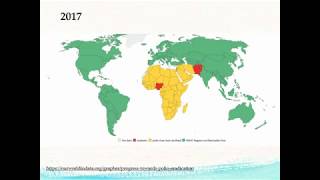
Vaccine Guidelines: How to Walk Out of the Doctor's Office Healthier than You Walked In
Learn evidence-based vaccine guidelines from a pediatric infectious diseases expert to make informed decisions about immunizations for better health outcomes.
Mycobacterium Tuberculosis Characteristics and Acid-Fast Properties
Explore key characteristics of Mycobacterium tuberculosis, including acid-fast properties, diagnostic tests, and infection mechanisms. Learn about related mycobacteria and their clinical significance.
Hydroepidemiology - Understanding Connections Between Hydrology and Human Health - Part 2
Explore connections between hydrology and human health, focusing on waterborne diseases, climate change impacts, and predictive modeling for outbreaks in various regions.
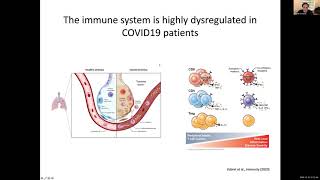
Immune Interactions and SARS-CoV-2 Evolution
Explore host-virus interactions, SARS-CoV-2 evolution, and immune system responses. Gain insights into COVID-19 pathogenesis, viral genomics, and potential antiviral therapies.
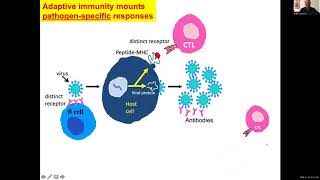
Understanding and Harnessing the Immune System - Host-Virus Interactions and COVID-19
Explore host-virus interactions, infectious disease pathology, and viral genomics. Learn about immune system interactions with SARS-CoV-2 and processes relevant to COVID-19 pathogenesis and treatment.