
Microbiology - Infectious Diseases
In this playlist we will go over some fundamental concepts in microbiology, and then focus largely on going through these infectious diseases one at a time, so we can learn about the pathogens that cause them, how their virulence operates, and how we can…
Treating Complications of Cirrhosis - Steven-Huy Han, MD - UCLA Digestive Diseases
Comprehensive overview of cirrhosis complications, covering diagnosis, management, and treatment strategies for various manifestations including varices, ascites, and hepatic encephalopathy.

Guillain-Barré Syndrome - Acute Inflammatory Demyelinating Polyradiculoneuropathy (AIDP) in Neurology
Uncover the intricacies of Guillain-Barré Syndrome, an autoimmune disorder affecting peripheral nerves. Explore causes, symptoms, and management of this acute demyelinating condition.
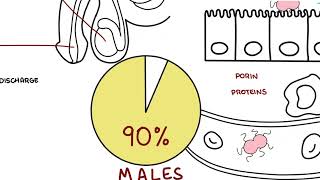
Neisseria Gonorrhea - Symptoms, Pathophysiology, Complications and Treatment
Understand the symptoms, transmission, and treatment of gonorrhea infection, including its pathophysiology and potential complications in both men and women.
Pediatric Infections and Current Updates - The EM Boot Camp Course
Explore pediatric infections, fever management, immunizations, and UTIs. Learn about risk factors, diagnostic techniques, and treatment options for common childhood illnesses.
Antimicrobial Therapy - An Empiric Approach - The EM Boot Camp Course
Comprehensive guide to empiric antimicrobial therapy in emergency medicine, covering bacterial classifications, antibiotic types, and treatment approaches for various infections across body systems.
An Aid to Antibiotic Decision Making
Explore procalcitonin's role in antibiotic decision-making for respiratory infections and sepsis, including clinical applications, studies, and implementation strategies.
Biomarkers in Infectious Diseases: Procalcitonin & Beyond
Explore procalcitonin and other biomarkers for diagnosing bacterial infections, optimizing antibiotic use, and improving outcomes in respiratory infections and sepsis.
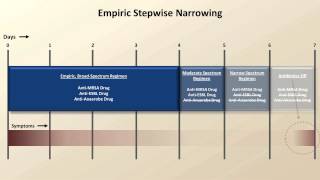
Treatment Duration, Pre-Procedure Prophylaxis, and Antibiotic Lock Therapy
Learn about antibiotic treatment duration, pre-procedure prophylaxis, and antibiotic lock therapy in this comprehensive lecture covering final topics in antibiotic management.

Metronidazole - Antibiotic Mechanism of Action
Comprehensive exploration of metronidazole's mechanism of action, covering its definition, role of ferredoxin, and chemical reactions involved in this antibiotic's effectiveness against infections.
Penicillin - Mechanism of Action and Pharmacology
Comprehensive exploration of penicillin's history, mechanism, uses, and clinical significance. Covers discovery, types, spectrum of activity, and resistance, providing valuable insights for medical professionals and students.
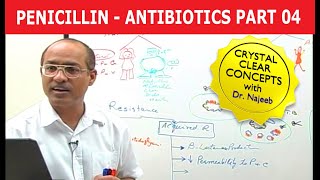
Penicillin and Beta-Lactam Antibiotics - Part 4
Comprehensive exploration of penicillin and antibiotics, covering cell wall synthesis inhibitors, bacterial structures, mechanisms of action, and various penicillin types, with focus on their spectra and clinical applications.
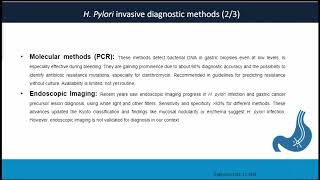
Stool Antigen Test: A Valuable Tool for the Diagnosis and Confirmation of H. pylori Eradication
Explore the stool antigen test as a valuable diagnostic tool for H. pylori infection and eradication confirmation. Learn about invasive and non-invasive approaches in this informative webinar.

Aminoglycosides - Clinical Uses and Adverse Effects
Comprehensive overview of aminoglycosides, covering toxicity, adverse effects, clinical applications, and usage guidelines for various infections. Emphasizes cautious use and specific treatment scenarios.
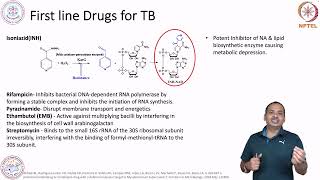
Bacterial Infection - Tuberculosis - Lecture 3
Explore tuberculosis: its bacterial nature, infection mechanisms, and impact on global health. Gain insights into diagnosis, treatment, and prevention strategies.
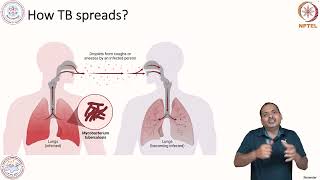
Bacterial Infection - Tuberculosis - Lecture 2
Explore tuberculosis: its causes, symptoms, diagnosis, and treatment strategies. Gain insights into this bacterial infection's impact and prevention methods.
Acute Sinusitis: Causes, Symptoms, Diagnosis, and Treatment - Bacterial vs. Viral
Learn to diagnose and treat acute sinusitis, distinguishing between viral and bacterial causes. Master symptoms, diagnostic techniques, and effective management strategies, including nasal irrigation and appropriate antibiotic use.
Microbiology Picmonic - Part 2
Explore key Clostridium species: tetani, difficile, botulinum, and perfringens. Learn their characteristics, effects, and treatments through animated mnemonics.
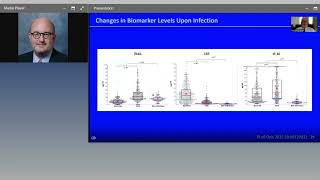
Use of Host-Response Serum Biomarkers to Distinguish Bacterial from Viral Infections
Explore advances in using host-response biomarkers to differentiate bacterial and viral infections, aiding in accurate diagnosis and appropriate antibiotic use in emergency settings.
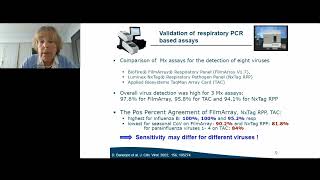
Lower Respiratory Tract Infections in Outpatients: Bacterial Causes and Viral Factors
Explore microbial etiology of lower respiratory tract infections in primary care, focusing on viral and bacterial causes to guide antibiotic use and public health policies.

AMR is a public health concern we must resolve together | Dr. Somdatta Karak | TEDxJNTU Hyderabad
Antibiotics kill bacteria. Once a miracle drug, they are not working as effectively anymore. That has happened because our own actions have helped bacteria evolve against the action of these drugs. Bacteria have changed such that they can prevent the antibiotic entering their cells or throw out the