
Pandemic Influenza: Historical Patterns and the 1918-1920 Spanish Flu
Explore the history of influenza pandemics, focusing on the devastating 1918-1920 Spanish flu, its unique characteristics, and lessons for modern public health responses.
The Science of Pandemics - C4 Public Lecture
Explore global pandemics, influenza threats, and the role of mathematical modeling in disease surveillance and control through advanced computing techniques.
Emerging Diseases, Deadly Lessons - Preventing Future Epidemics
Insights from recent epidemics on preventing future outbreaks, exploring ecological, social, political, and economic factors in disease spread and their implications for global health security.
Tracking and Curbing the Next Pandemic - Future Directions in Infectious Disease Research
Explore modern plagues, interdisciplinary efforts, and innovative methods for predicting and curbing pandemics through network analysis, animal studies, and advanced computational techniques.
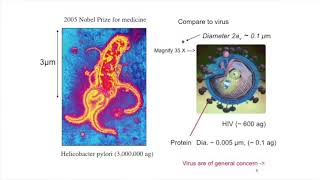
NYU Tandon's Ultra-sensitive Whispering Gallery Mode Biosensor - Part One: Motivation and History
Explore ultra-sensitive biosensors for pathogen detection, focusing on whispering gallery mode technology and its applications in virus detection and molecular spectroscopy.
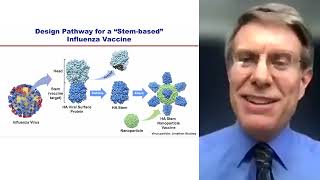
Vaccine Research Center: Engineering Nanoparticle Platforms for Universal Influenza Vaccines - Presentation 8B
Explore vaccine research advancements, focusing on universal influenza vaccines using nanoparticle platforms and mosaic designs for broad protection against diverse strains.

King of the Viruses - What Influenza Does to the Body
Dive into the world of influenza, exploring its types, transmission, mutation, symptoms, and treatments. Gain insights on flu complications, prevention strategies, and vaccine effectiveness for informed health decisions.
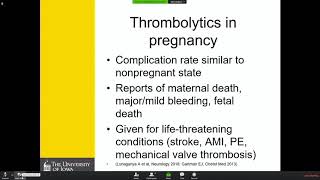
Evaluation & Management of Medical Conditions of Pregnancy in the Perinatal Period
Learn to evaluate and manage critical medical conditions during pregnancy, including stroke, small bowel obstruction, acute MI, and influenza, with insights from a maternal-fetal medicine expert.
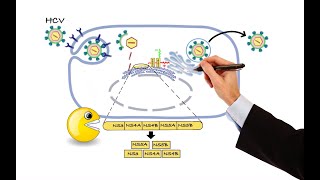
Pharmacology - Antiviral Drugs
Comprehensive overview of antiviral medications, exploring mechanisms of action and specific drugs for influenza, HIV, hepatitis B & C, and herpes. Covers viral replication cycles and drug targets.
Humanity's Deadliest Diseases - A Historical Perspective
Experts explore history's deadliest diseases, including HIV, influenza, smallpox, and the Black Death, examining their evolution, impact, and far-reaching consequences on individuals and societies.
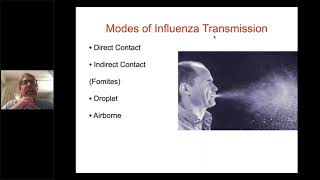
Transmission Dynamics of Influenza and SARS-CoV-2
Explore dynamic models for studying infectious diseases, focusing on influenza and SARS-CoV-2 transmission, meteorological factors, and forecasting techniques.
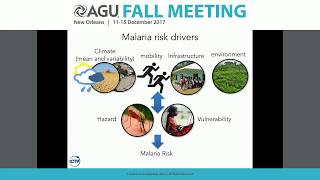
Climate Drivers of Infectious Disease: Past, Present, and Future - 2017
Explore climate's impact on infectious diseases through expert presentations on influenza dynamics, West Nile virus forecasting, and innovative prediction models for outbreaks.
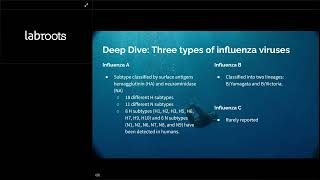
Influenza: An Underestimated Threat
Explore influenza's history, impact, and potential future threats. Learn about its origins, pandemic potential, and advancements in testing and diagnosis from an infectious disease expert.
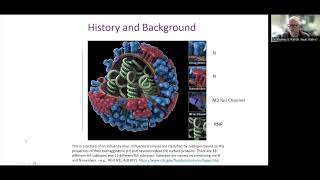
A Respiratory Season Update - Preparing for the 2024-25 Landscape
Explore the latest on flu, COVID-19, and RSV, including new variants, vaccines, and treatments. Learn valuable lessons for preparing and managing the upcoming respiratory season.
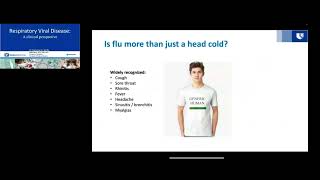
Current Landscape of Respiratory Illnesses and the Role of Multiplex Target Testing
Explore the current landscape of respiratory illnesses and learn about multiplex target testing's role in distinguishing between viruses for appropriate patient care. Gain insights from experts in infectious diseases.
Advances in Influenza Research: Developing Effective Vaccines
Explore advances in influenza vaccine development, including current limitations, future directions, and immune response evaluation. Gain insights into viral vectors, bioreagents, and global research efforts.
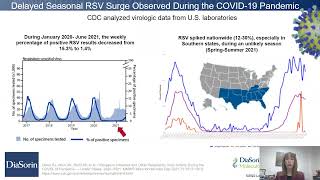
Preparing for the Worst: The Resurgence of Respiratory Infections
Explore the resurgence of respiratory infections post-pandemic, examining trends, causes, and impacts of various viruses. Gain insights into viral interference, seasonality, and testing strategies.
Preventing Infection by Flu, RSV and SARS-CoV-2
Explore cutting-edge strategies for preventing respiratory infections, focusing on influenza, RSV, and SARS-CoV-2 with insights from a leading infectious diseases expert.
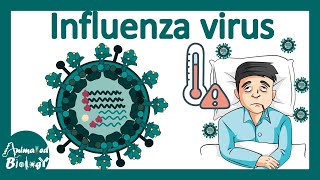
Influenza Virus: Pathology, Infection, Diagnosis, and Treatment - USMLE Step 1
Explore influenza virus pathology, infection mechanisms, diagnostic methods, and treatment options. Gain essential knowledge for USMLE Step 1 preparation.
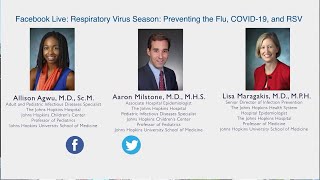
Preventing Flu, COVID-19, and RSV During Respiratory Virus Season
Learn strategies to protect against flu, COVID-19, RSV, and other winter respiratory illnesses from Johns Hopkins infectious disease experts.
For mRNA Vaccines, COVID Was Just the Beginning
Exploring mRNA vaccines' potential beyond COVID-19, including applications for flu, rabies, and cancer. Highlights their revolutionary impact and future possibilities in medical science.