
Gut Feelings: Optimizing Lifestyle, Diet, and Medication Based on Individual Microbiota
Explore how gut microbiomes influence individual responses to diet, lifestyle, and medication, and the potential for personalized health interventions based on microbiome analysis.
ISCC-PEG Scholars Presentations 2021-2023 - Genomics Education Projects
Virtual presentations by ISCC-PEG Scholars on genomics education projects, including OB-GYN genetics review and transgender experiences in hereditary cancer care. Features scholar introductions, Q&A sessions, and concluding remarks.
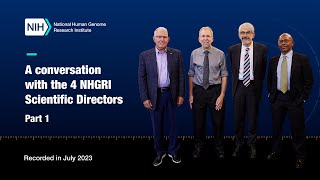
NHGRI Scientific Directors Discuss 30 Years of Intramural Research - Part 1
Four NHGRI Scientific Directors discuss the Intramural Research Program's 30-year history, sharing insights on leadership, challenges, achievements, and collaborative culture in genomic research.

Challenges and Solutions for Finding the Genomic Basis of Local Adaptation by Mike Whitlock
Explore challenges and solutions in identifying genomic bases of local adaptation, focusing on population genetics and evolutionary biology concepts for diverse scientific backgrounds.

Probabilistic Models for RNA Splicing Analysis
Exploring probabilistic models for RNA-seq data analysis, focusing on alternative splicing quantification and predicting splicing from DNA sequence to improve rare variant interpretation.
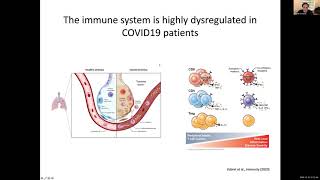
Immune Interactions and SARS-CoV-2 Evolution
Explore host-virus interactions, SARS-CoV-2 evolution, and immune system responses. Gain insights into COVID-19 pathogenesis, viral genomics, and potential antiviral therapies.
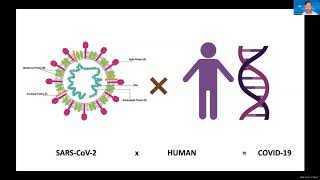
SARS-CoV-2: Origins and Evolutions
Explore coronavirus biology, evolution, and SARS-CoV-2's origins with Dr. Rabadan. Learn about virus genomes, infection mechanisms, and quantitative methods for studying pandemics.
Genomics, Imaging and AI - Three Technologies Which Are Changing Basic Research by Ewan Birney
Explore how genomics, imaging, and AI are revolutionizing basic research, transforming our understanding of biology and accelerating scientific discoveries.
Cause of Obesity, Diabetes & CVD Epidemic by Ponnusamy Saravanan
Explores the role of Gestational Diabetes Mellitus in obesity, diabetes, and cardiovascular disease epidemics, discussing its causes, impacts, and potential interventions.

The Intricacies of Splicing and RNA Data in Germline Variant Classification
Explore RNA splicing's impact on protein function and disease, focusing on complexities in interpreting RNA data and its role in germline variant classification.

Exome Sequencing for Prenatal Indications
Explore recent developments in prenatal exome sequencing, including technical challenges, diagnostic considerations, and expanded indications for fetal anomalies and pregnancy-related findings.

Quality in Genetic Testing Laboratories - Opening the Black Box
Explore quality measures for genetic testing accuracy and clinical utility, with case-based examples demonstrating their impact on next-generation sequencing panel testing.

Improvements in Clinical Interpretation of Copy Number Variants (CNVs)
Explore advancements in clinical interpretation of Copy Number Variants (CNVs), addressing challenges and showcasing how unified guidelines can enhance consistency and quality in genomic diagnostics.

Genetic Testing Results on Clinical Management for Lipid Patients
Explore genetic testing's impact on lipid patient management, focusing on Familial Hypercholesterolemia and Familial Chylomicronemia Syndrome. Learn from case studies and expert insights.

Clinical Validity Assessment of Gene-Disease Associations for Variant Classification
Explore standardized assessment of gene-disease associations and its role in determining variant pathogenicity for clinical reporting, aiding in diagnosis and management of genetic conditions.

Testing Your Patient - DTC vs Single Gene vs Panel vs Exome
Explore differences between direct-to-consumer and clinical genetic testing, learn when each is appropriate, and gain insights on advising patients about genetic test results.
Exome Testing - An Evidence-Based Approach to Accurate Diagnosis
Explore Ambry's evidence-based approach to clinical exome sequencing, including their proprietary scoring system for linking genes to diseases, leading to higher diagnostic yields and improved patient care.
The Truth About Next Generation Sequencing (NGS)
Explore Ambry's findings on the necessity of Sanger confirmation alongside NGS for optimal genetic testing accuracy, and learn about potential consequences of less rigorous procedures.
Clinical Diagnostic Exome Sequencing - Addressing Clinical Utility and Cost-Effectiveness
Explore clinical diagnostic exome sequencing's utility and cost-effectiveness with experts discussing its role in the diagnostic process and impact on patient care.
Clinical and Management Implications of Exome Sequencing
Explore the clinical and management implications of diagnostic exome sequencing, examining current scientific evidence and its impact on genetic testing practices.
Utilizing Exome Sequencing in Pediatric and Neonatal Clinical Settings
Explore the clinical applications of diagnostic exome sequencing in pediatric and neonatal settings, focusing on Ambry's ExomeNext and ExomeNext-Rapid tools for improved patient care.