Learn Python the Fun Way
Discover engaging methods to learn Python through gameplay, exploring projects that make programming fun and accessible for different ages and skill levels.

Pygame Zero
Discover Pygame Zero, a beginner-friendly game engine for Python. Learn to create simple games, explore its educational design, and understand its advantages over traditional Pygame.

Modern OpenGL with Python
Learn to create 2D and 3D graphics applications using Python and modern OpenGL. Explore graphics theory, OpenGL evolution, and practical implementation, including shaders and lighting models.

Making Games with Python - Mission Impossible?
Explore Python's potential in game development, comparing frameworks like Pygame and OpenGL, and discussing its role in asset pipelines, data integration, and commercial game production.

Python vs Rust for Simulation
Comparison of Python and Rust for simulation engines, exploring performance, simplicity, code efficiency, utilities, and compatibility. Insights for developers choosing between these languages.
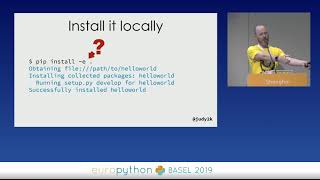
Publish a Perfect Python Package on PyPI
Learn to create and publish a Python package on PyPI, covering project structure, setup files, testing, documentation, and best practices for successful distribution and maintenance.
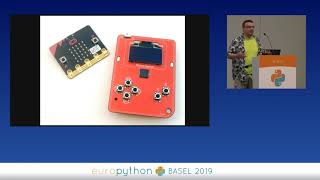
Game Development with CircuitPython
Explore game development using CircuitPython on PewPew devices. Learn about this dedicated, portable gaming platform and how to program it with Python, overcoming common challenges in game creation.
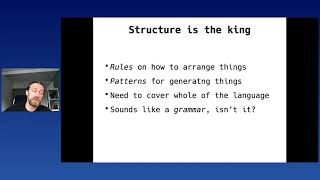
Code From Nothing - Procedural Generation of Python Source Code
Explore novel techniques for testing Python linters and fixers using Hypothesis, focusing on procedural generation of source code to uncover edge cases and improve tool reliability.
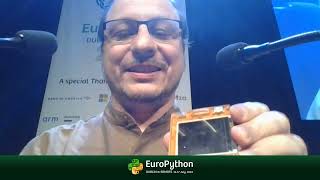
Game Development with CircuitPython
Learn to create simple games on small devices using CircuitPython. Explore hardware options, libraries, and practical examples to kickstart your game development journey with minimal setup.

PyScript and the Magic of Python in the Browser
Explore the potential of Python in web browsers with PyScript, enabling client-side applications and games without server-side logic. Learn key features and create amazing browser-based projects.
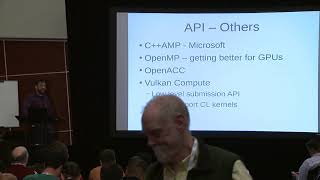
Open Source GPU Compute Stack - Not Dancing the CUDA Dance
Exploring open-source alternatives to CUDA for GPU compute acceleration, discussing potential for a vendor-neutral reference stack using SYCL/OpenCL/Vulkan and Mesa.
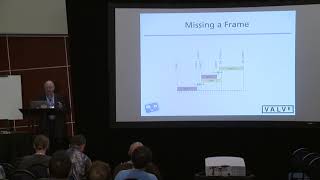
Improving Graphics Interactivity - It's All in the Timing
Explore techniques for improving graphics interactivity in Linux systems, focusing on timing issues, kernel modifications, and API enhancements to achieve smoother animations and better user experiences.

Finding Your Creative Voice Through Game Jams
Discover how game jams can help developers cultivate their creative voice and professional edge, essential for aspiring creative leads in game development. Learn strategies to overcome the "credibility trap" and advance your career.

How We Used Reinforcement Learning to Solve the Abbey of Crime
Explore how AI and reinforcement learning were used to conquer the challenging 1987 RPG "Abbey of Crime," overcoming its complexity within 120k of data to complete the game autonomously.
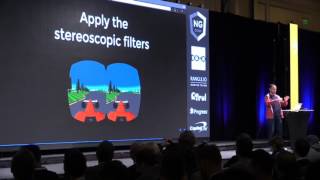
Creating VR Experiences with Angular and WebGL
Explore immersive VR development using Angular and WebGL. Learn techniques for building interactive 3D environments and gain insights into creating engaging virtual reality experiences.
The Open Source Revolution - How Kubernetes is Changing the Games Industry
Explore how Kubernetes and open-source technologies revolutionize game development, enabling rapid creation of scalable multiplayer infrastructures supporting hundreds of thousands of concurrent players.
Beyond CUDA - GPU Accelerated Computing on Cross-Vendor Graphics Cards with Vulkan Kompute - AMD, Qualcomm, NVIDIA & Friends
Explore cross-vendor GPU computing with Vulkan and Kompute. Learn to write GPU-accelerated machine learning algorithms using Python and C++, applicable to various GPUs including AMD, Qualcomm, and NVIDIA.
From Start to Published - Create a Game with Ruby
Learn to build and publish a game using Ruby and DragonRuby GameToolkit, from initial concept to final release, in this comprehensive tutorial.
Go for Mobile Games
Explore Go's potential in mobile game development, focusing on performance optimization, cross-platform compatibility, and practical implementation strategies for game creators.
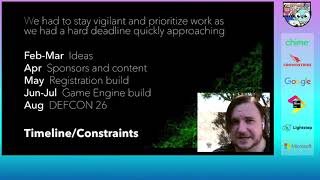
Building a Game Engine for 300 DEFCON Hackers to Smash
Building a custom game engine for a narrative-driven CTF at DEFCON, enabling interactive gameplay for 300+ hackers with real-time communication, scoring, and challenges.
React for Game Development
Explore using React for game development, covering game structures, entity-component patterns, and implementation techniques. Learn to create a React-powered game with practical insights.