
Vaccinating Android
Explore Android security, decompilation, and analysis techniques. Learn about APK tools, dynamic and static analyses, and hacking challenges in this comprehensive mobile security talk.
Attacking Software Tokens
Exploring vulnerabilities in software OTP tokens, demonstrating reverse engineering techniques and exploits for major vendors' tokens, and assessing obfuscation effectiveness.
Automation Techniques in C++ Reverse Engineering
Explore dynamic analysis techniques for C++ reverse engineering, focusing on structure usage and function argument types through DLL injection-based automation.

Demigod - The Art of Emulating Kernel Rootkits
Explore advanced techniques for emulating and analyzing kernel rootkits, enhancing cybersecurity defenses against high-privilege malware operating at the OS level.
Reverse Engineering Windows Malware 101 Workshop
Hands-on workshop introducing reverse engineering fundamentals for Windows malware analysis. Learn to set analysis goals, use tools, and apply computer science concepts through practical exercises.
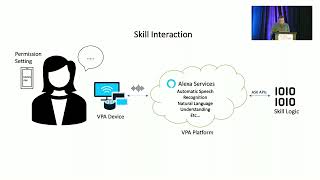
SkillDetective - Automated Policy-Violation Detection of Voice Assistant Applications in the Wild
Automated tool for detecting policy violations in voice assistant apps, analyzing 54,055 Alexa skills and 5,583 Google actions, identifying over 6,000 violations across 52 policy requirements.
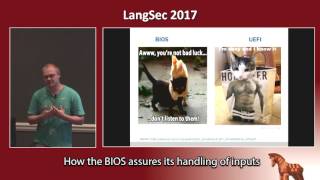
How the BIOS Assures Its Handling of Inputs
Explore BIOS input handling, firmware interfaces, and analysis techniques for formal validation and vulnerability detection, including static, dynamic, and symbolic execution approaches.
CRYLOGGER - Detecting Crypto Misuses Dynamically
Explore dynamic detection of cryptographic misuses with CRYLOGGER, a tool for identifying vulnerabilities in real-time to enhance software security.
DynPTA: Combining Static and Dynamic Analysis for Practical Selective Data Protection
Explore innovative techniques combining static and dynamic analysis for enhanced data protection, offering practical insights into selective security measures.
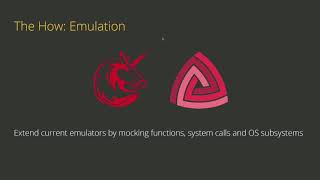
Binee - Complete Emulation of Advanced Malware
Explore advanced malware emulation with Binee, a Windows Process emulator. Learn to create detailed memory models, mimic OS kernels, and gather dynamic analysis data for reverse engineering and vulnerability research.
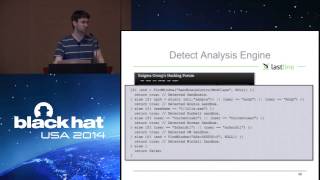
Full System Emulation - Achieving Successful Automated Dynamic Analysis of Evasive Malware
Explore full system emulation for dynamic malware analysis, addressing evasion techniques and solutions. Learn to design effective sandboxes and extract valuable intelligence from malicious files.
Dynamic Flash Instrumentation for Fun and Profit
Explore dynamic analysis of malicious Flash files using binary instrumentation, enabling faster and more detailed automatic analysis without decompilation.
Dude, Where's My Laptop?
Analysis of laptop and mobile device security solutions, exploring their effectiveness against theft and data protection claims. Reveals vulnerabilities and challenges common anti-theft measures.
Hunting the Shadows - In Depth Analysis of Escalated APT Attacks
In-depth analysis of APT attacks targeting Taiwan, showcasing automated detection systems, forensic techniques, and insights into attacker operations. Includes release of collaborative APT classification platform.
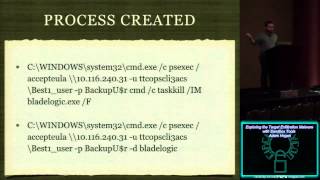
Exploring the Target Exfiltration Malware with Sandbox Tools
Explore target exfiltration malware using sandbox tools. Learn static and dynamic analysis techniques, process management, and considerations for effective malware detection and security automation.
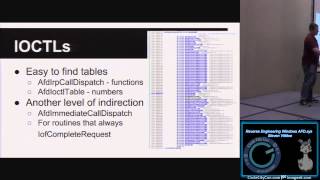
Reverse Engineering Windows AFD.sys
Explore Windows AFD.sys reverse engineering techniques, covering static analysis, fuzzing, and Project Zero's goals. Learn about registry inputs, dispatch calls, and bug hunting strategies.
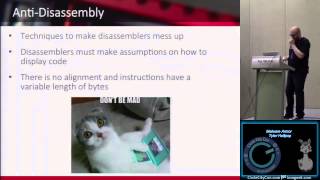
Malware Armor
Explore malware analysis techniques, including dynamic and static analysis, anti-virtualization detection, anti-debugging, and obfuscation methods. Learn to use various tools for effective malware armor analysis.

Mobile Application Reverse Engineering Under the Hood
Explore mobile app reverse engineering techniques, from sensitive data extraction to analyzing Android package files, with practical tools and methods for both iOS and Android platforms.

Dynamic Analysis of Flash Files
Dynamic analysis techniques for Flash files, exploring methods to uncover vulnerabilities and potential security risks in SWF content.
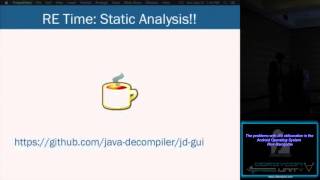
The Problems with JNI Obfuscation in the Android Operating System
Explore JNI obfuscation issues in Android OS, covering build process, software stack, and practical reverse engineering techniques for both static and dynamic analysis.
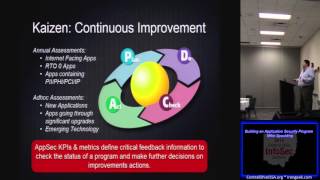
Building an Application Security Program
Aprenda a construir um programa de segurança de aplicações eficaz, abordando análise estática e dinâmica, verificação manual e melhoria contínua para reduzir riscos e alinhar-se ao ciclo de desenvolvimento.