Unleashing D* on Android Kernel Drivers
Explore techniques for detecting vulnerabilities in Android kernel drivers using static analysis and fuzzing, with focus on DR.CHECKER and DIFUZE tools.

Subverting Trust in Windows - A Case Study of the How and Why of Engaging in Security Research
Explore Windows security research through a case study on subverting trust, covering dynamic analysis, code signatures, and PowerShell, with insights on validating trust and lessons learned.

A Novel Dynamic Analysis Infrastructure to Instrument Untrusted Execution Flow Across User-Kernel Spaces
Explore a cutting-edge dynamic analysis infrastructure for instrumenting untrusted execution flow, bridging user and kernel spaces in system security.
UNVEIL - A Large-Scale, Automated Approach to Detecting Ransomware
Automated approach to detect ransomware through dynamic analysis, focusing on file tampering and desktop changes. Improves detection of evasive ransomware unnoticed by traditional antimalware solutions.

A Titan M Odyssey
Explore Google's Titan M chip: its architecture, security features, and potential vulnerabilities through reverse engineering and dynamic analysis techniques.
How Embedded TCP-IP Stacks Breed Critical Vulnerabilities
Explore critical vulnerabilities in embedded TCP/IP stacks, their impact on system security, and techniques for analysis and mitigation in networked embedded systems.
ProdSec - A Technical Approach
Explore product security strategies, including risk management, automation, and attack surface reduction. Learn how to integrate security into development processes and foster a security-conscious culture within organizations.
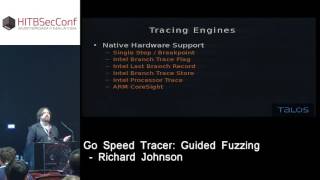
Go Speed Tracer - Guided Fuzzing
Explore advanced guided fuzzing techniques for vulnerability discovery, including code coverage analysis, constraint solving, and feedback mechanisms. Learn about novel tools and approaches in dynamic analysis.
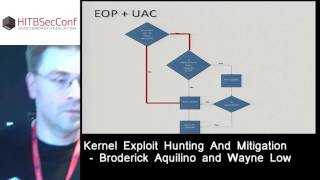
Kernel Exploit Hunting and Mitigation
Explore kernel exploit hunting and mitigation techniques, focusing on identifying and analyzing malware that leverages Windows kernel vulnerabilities for system compromise and evasion of security measures.
Evading Anti-APT Technologies
Learn advanced techniques to bypass anti-APT technologies, including sandbox weaknesses, timing attacks, and dynamic analysis. Gain insights into evading endpoint security and improving your cybersecurity skills.
Crimeware Chaos - Empirical Analysis of HTTP-Based Botnet C&C Panels
Empirical analysis of HTTP-based botnet C&C panels, exploring design, technologies, and characteristics of crimeware control systems used by cybercriminals for managing botnets and other malicious operations.

ECMO - Rehost Embedded Linux Kernels via Peripheral Transplantation
Innovative technique for rehosting embedded Linux kernels in QEMU using peripheral transplantation, enabling dynamic analysis of firmware images from diverse embedded devices.

Identifying Multi-Binary Vulnerabilities in Embedded Firmware at Scale
Explore techniques for identifying vulnerabilities in embedded firmware, focusing on multi-binary analysis, dynamic and static approaches, and scalable solutions for IoT device security.
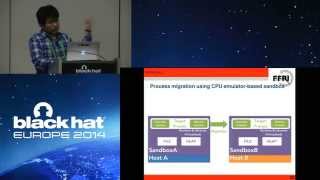
Freeze Drying for Capturing Environment-Sensitive Malware Alive
Innovative techniques for capturing and analyzing environment-sensitive malware through "freeze drying" and live process migration, enabling dynamic analysis of sophisticated threats like Citadel and ZeuS/GameOver.
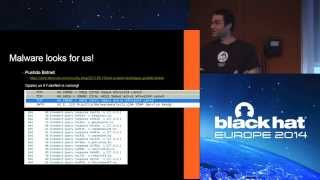
Counterfeiting the Pipes with FakeNet 2.0
Explore network simulation for malware analysis using FakeNet 2.0. Learn to mimic protocols, configure settings, and capture network signatures efficiently in this hands-on workshop.
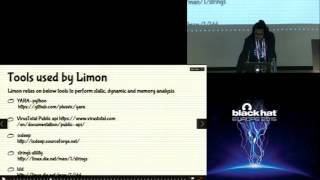
Automating Linux Malware Analysis Using Limon Sandbox
Explore automated Linux malware analysis with Limon sandbox. Learn to collect, analyze, and report runtime indicators using static, dynamic, and memory analysis techniques for comprehensive threat assessment.
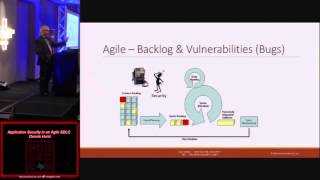
Application Security in an Agile SDLC
Explore integrating application security into Agile development, covering key concepts, tools, and real-world examples for creating secure software efficiently.

Biting the Apple that Feeds You - macOS Kernel Fuzzing
Explore macOS kernel fuzzing techniques to identify critical flaws, including automated testing, targeted fuzzing, and in-memory fuzzing for improved code coverage and efficiency.
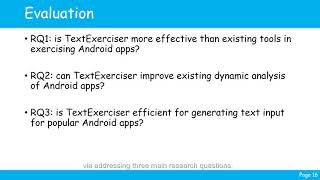
TextExerciser - Feedback-Driven Text Input Exercising for Android Applications
Iterative, feedback-driven system for generating text inputs in Android app testing. Utilizes app-provided hints to improve input generation, increasing code coverage and vulnerability detection.
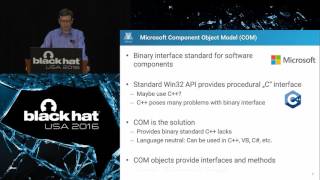
The Beast Within - Evading Dynamic Malware Analysis Using Microsoft COM
Explore COM's role in malware evasion and dynamic analysis challenges. Learn practical approaches for monitoring COM calls and overcoming obstacles in automated malware detection.
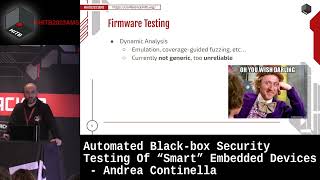
Automated Black-box Security Testing of Smart Embedded Devices
Innovative approach for IoT black-box fuzzing using "fuzzing triggers" from companion apps to generate optimal inputs, overcoming limitations of existing tools and discovering zero-day vulnerabilities.