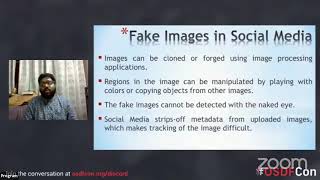
Detection and Tracking of Forged Digital Images on Social Media using Forensically
Explore open-source tools for detecting forged digital images on social media, focusing on Forensically and JPEGMARK. Learn techniques for clone detection, error analysis, and extracting hidden data.
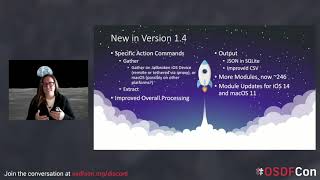
Go for Launch - Getting Started with Practical APOLLO Analysis
Practical guide to using APOLLO Python script for extracting and analyzing data from macOS and iOS devices, focusing on user activity, device status, application usage, and suspicious events.
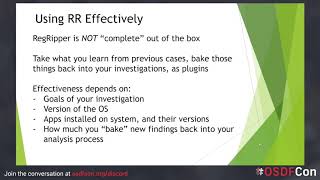
Effectively Using RegRipper 3.0
Explore efficient techniques for utilizing RegRipper 3.0 in digital forensics and incident response, presented by experienced DFIR professional Harlan Carvey at OSDFCon 2020.
Identify Malware on Compromised Files and URLs Using the PolySwarm Autopsy Plugin
Discover efficient malware detection using PolySwarm's Autopsy plugin. Learn to identify threats with hash lookups and file scans, leveraging 50+ specialized engines for enhanced cybersecurity.

Supporting Digital Forensics Practitioners with Academic Research and Degree Programs
Explore the impact of digital forensics research by students on the field, and learn about academic programs supporting practitioners in this insightful review.
RecuperaBit - Present and Future of NTFS Reconstruction
Explore NTFS reconstruction techniques for data recovery and digital forensics, focusing on RecuperaBit's algorithms, future improvements, and user interface enhancements.
Computer Autopsies - Use Free Forensic Software
Explore computer forensics using Autopsy software, covering evidence collection, analysis, and custom plugin development. Learn practical skills for solving real-world digital investigation cases.

Where Have UAL Been?
Explore Microsoft's User Access Logs on Windows Servers, including authentication details, record retention, and parsing tools. Learn how these logs can be utilized in digital forensics and incident response.
Autopsy Scoring - Finding the Relevant Data with Analysis Results
Explore Autopsy's scoring features to quickly identify relevant data in digital forensics investigations, combining analysis results for efficient case prioritization.
Autopsy Update
Comprehensive update on Autopsy digital forensics tool, covering new features like Web Domain interfaces, scoring, and Solr 8 upgrade. Explores improvements in UI, artifact pipelines, and integration with other forensic tools.
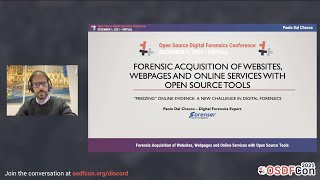
Forensic Acquisition of Websites, Webpages and Online Services with Open Source Tools
Explore open-source tools for forensically acquiring online evidence, including websites, social media, and cloud services. Learn techniques for preserving digital content with verifiable processes and blockchain timestamps.
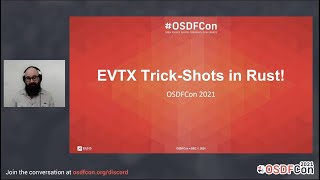
Windows Event Log Trick-Shots in Rust
Discover advanced techniques for processing Windows event logs using Rust, including fast large-scale searching, recovering records from empty pages, and leveraging open-source tools for forensic analysis.

Leaving No Stone Unturned
Explore memory forensics techniques for digital investigations, covering attack methodologies and analysis steps. Learn to uncover hidden evidence in volatile memory samples for more comprehensive case insights.
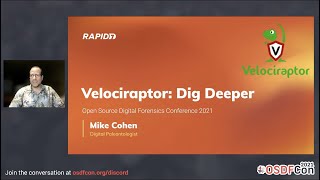
Velociraptor - Dig Deeper
Explore Velociraptor's powerful VQL for efficient DFIR hunting at scale. Learn to perform on-endpoint analysis, create custom detections, and implement real-time monitoring rules for rapid incident response.
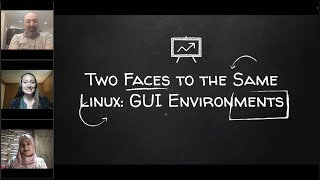
Two Faces to the Same Linux - GUI Environments
Explore Linux desktop forensics in GNOME and KDE environments, comparing user activity artifacts and investigation techniques for digital forensics professionals.
Decrypting TLS Traffic on the Fly
Decrypt TLS traffic on-the-fly with friTap, an open-source framework for intercepting encryption keys. Learn about its applications in network forensics and protocol research across major operating systems.
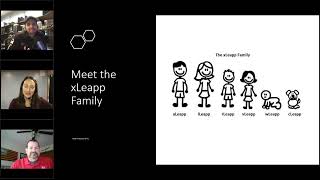
Meet the xLeapp Family
Explore the xLeapp family of digital forensics tools with FBI and academic experts, covering new developments, project extensions, and practical applications in mobile app analysis.
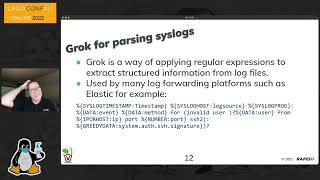
Velociraptor - Dig Deeper in Linux
Explore Velociraptor, an open-source DFIR framework for efficient incident response and threat hunting in large networks. Learn to leverage VQL for powerful Linux security monitoring and automation.
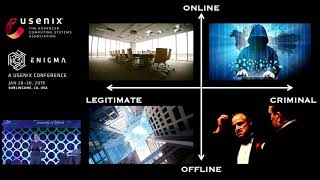
The Offline Dimension of Online Crime
Exploring the offline dimension of cybercrime, challenging the notion of anonymity and revealing local elements in criminal networks through extensive global fieldwork and interviews.
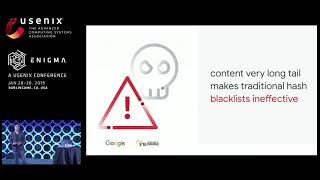
Rethinking the Detection of Child Sexual Abuse Imagery on the Internet
Longitudinal study on child sexual abuse imagery distribution, revealing challenges in detection and proposing solutions to combat its spread across the Internet.
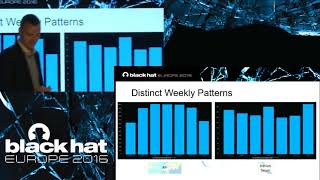
Chasing Foxes by the Numbers - Patterns of Life and Activity in Hacker Forums
Explore patterns of cyber criminal activity in underground forums, analyzing behavior across clear, deep, and dark web platforms to understand hacker communities and their focus areas.