Forensic Investigations of Web Exploitations
Explore network forensics techniques and open-source tools for investigating web server compromises, analyzing captured traffic, and reconstructing malicious sessions to uncover digital evidence.
Introduction to Security and Network Forensics: Web Infrastructures - Chapter 11
Explore web infrastructure essentials: HTTP, LDAP, authentication methods, federated identity, and access control. Gain insights into security principles for robust online systems.
Data Hiding and Obfuscation in Security and Network Forensics - Lecture 10
Learn data hiding techniques including encryption, hashing, encoding, and steganography. Explore file allocation tables, naming conventions, and signatures for forensic analysis.
Intro to Security and Network Forensics - Threat Analysis
Comprehensive overview of security threats, including penetration testing, vulnerability analysis, and common attack methods like phishing and SQL injection, with practical demonstrations.
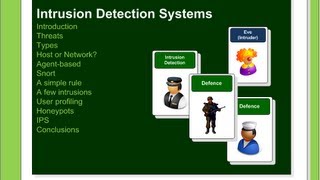
Introduction to Security and Network Forensics - Intrusion Detection Systems
Explore intrusion detection systems, security agents, and network forensics techniques. Learn about policy definition, user profiling, and honeypots in this comprehensive security overview.

Forensic Computing - Part 1
Comprehensive introduction to forensic computing, covering basic procedures, data collection, preservation, hiding techniques, and network traffic analysis.
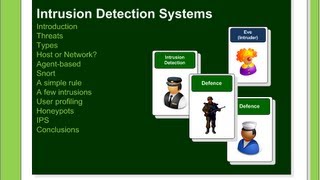
Introduction to Security and Network Forensics - Intrusion Detection Systems
Explore intrusion detection systems, network threats, and security policies. Learn about snort, policy violations, port scans, and user profiling in this comprehensive network forensics overview.
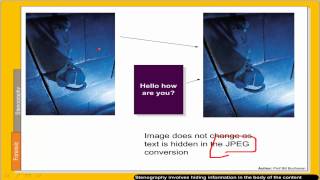
Forensic Computing - Procedures, Data Preservation, and Covert Channels - Part 1
Explore digital forensics fundamentals, including evidence collection, data preservation, and covert channel detection techniques for network traffic analysis and hidden information discovery.
Introduction to Security and Network Forensics - Threat Analysis - Lecture 8
Comprehensive overview of threat analysis techniques, including penetration testing, vulnerability assessment, and common attack methods like SQL injection and phishing.

Boring eForensic Science Items - AIDE 2013
Explore essential yet often overlooked aspects of eForensic science, uncovering crucial details that can make or break digital investigations.

Digital Forensics - Emerging Trends in Cybersecurity
Explore emerging trends in digital forensics, including AI and machine vision, to combat cybercrime and enhance investigative techniques in the evolving technological landscape.

HZ Rat Goes China - Following the Tail of an Unknown Backdoor
Uncover the journey of an elusive backdoor malware as it traverses from Europe to China, exploring its origins, capabilities, and potential impact on cybersecurity.

Investigating JAKU Botnet - Analysis and Insights
Explore the JAKU botnet's structure, targeting methods, and unique features through data analysis and code examination, revealing insights into this sophisticated cyber threat.
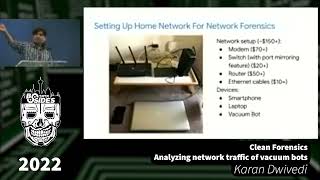
Clean Forensics: Analyzing Network Traffic of Vacuum Bots - Lecture
Explore network forensics of vacuum bots, uncovering security and privacy concerns. Learn step-by-step analysis of bot communication, authentication protocols, and potential vulnerabilities in smart home devices.
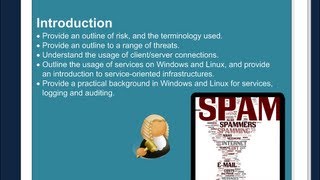
Introduction to Risk Analysis and Management in Security - Lecture 7
Comprehensive overview of risk analysis, management, and security incident taxonomy in cybersecurity, covering eavesdropping, denial of service, and cloud computing concepts.
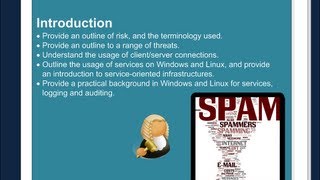
Introduction to Risk Analysis in Security and Network Forensics - Chapter 7
Explore risk analysis, management methodologies, and security incident taxonomy. Learn about various cyber threats and attack types, as well as cloud computing concepts and services.
Forensic Analysis of Container Checkpoints
Explore forensic container checkpointing in Kubernetes, learning tools and methods to analyze checkpoints and extract crucial information for uncovering potential malicious activity.

Introduction to Security and Network Forensics - Cloud Computing
Explore cloud computing evolution, concepts, and practical applications in security and network forensics, with hands-on demonstrations and expert insights.
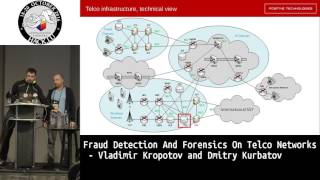
Fraud Detection and Forensics on Telco Networks
Explore new fraud techniques and attacks exploiting SS7 vulnerabilities in telecom networks, including demonstrations of money transfers from electronic accounts and their impact on payment systems integration.

Implementing a Kick-Butt Training Program - Blue Team Go
Discover a framework for building a robust cybersecurity training program that empowers analysts with hands-on skills in incident response, forensics, and threat hunting.
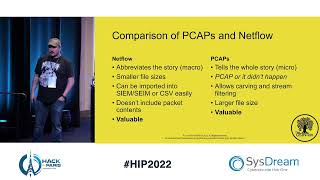
NetflOSINT- Taking an Often-Overlooked Data Source and Operationalizing It - Joe Gray - Hack in Paris
Explore NetflOSINT: Leveraging overlooked Netflow data for efficient network forensics. Learn extraction techniques, analysis methods, and tools to enhance threat hunting and intelligence gathering.