Virtual or Real? AR Foundation Best Practices
Explore AR Foundation's capabilities for cross-platform AR game development, featuring dynamic ground plane detection and camera translation techniques used in Krikey's mobile gaming app.
Getting Started with HDRP for Games
Explore HDRP for game development: assess suitability, learn implementation, and understand key features like lighting, post-processing, and compatibility in this comprehensive guide.
Developing and Optimizing a Procedural Game - The Elder Scrolls Blades
Explore techniques for creating high-quality visuals in procedurally generated 3D environments on mobile devices, focusing on lighting, optimization, and memory management.

Learn Stylized Shading with Shader Graph
Master stylized shading techniques using Shader Graph to create custom lighting effects, including Lambert lighting, specular highlights, gradient shading, and artistic touches like painted specular and backlight halos.
Optimizing HDRP with NVIDIA Nsight Graphics
Learn to optimize HDRP applications using NVIDIA Nsight Graphics for peak performance. Explore profiling tools, debugging techniques, and real-time ray tracing optimization strategies.
Speed Up Your Asset Imports for Big Projects
Learn techniques to accelerate asset imports in large Unity projects, enhance pipeline extensibility, and ensure project stability with the new Asset Database.
Introduction to the DOTS Sample and the NetCode That Drives It
Explore Unity's networked future with DOTS, learning from the DOTS Sample's development and insights into NetCode for efficient, scalable multiplayer game creation.

Using Vivox to Connect Your Players - Text and Voice Comms
Explore Vivox integration for Unity projects, covering key features, implementation steps, and pricing for enhanced player communication through text and voice.
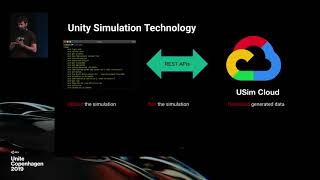
Overview of Unity Simulation
Accelerate autonomous system training with cloud-based Unity Simulation. Learn to set up and run multiple instances on Google GCP for rapid development and testing of new features.

Best Practices - Async vs. Coroutines
Explore the benefits of async over coroutines in Unity, with practical examples and best practices for implementing asynchronous routines in game development.
Tips and Tricks for Increasing LTV in Your Games
Discover strategies to boost player lifetime value in games, covering data analysis, user experience, segmentation, and monetization techniques for different player types.
Converting Your Game to DOTS
Explore migrating game code to DOTS, understanding performance benefits, and deciding when to use new systems vs. traditional components for optimal game development.

Next-Gen Multiplayer Mobile FPS Games - MADFINGER Games
Explore MADFINGER Games' approach to building next-gen multiplayer mobile FPS using Unity's connected game tech, covering matchmaking, server hosting, and voice communications.
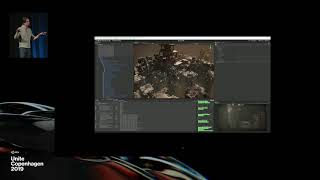
Converting Scene Data to DOTS
Learn to convert GameObjects to Entities, customize the process, and explore scalable workflows in Unity's Data-Oriented Technology Stack (DOTS) for improved performance.
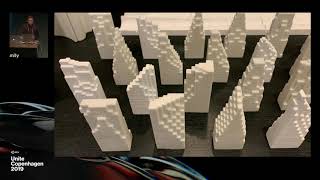
Accelerating Communication in AEC with Unity Reflect
Explore SHoP Architects' use of Unity Reflect for live BIM data integration in AR/VR applications, enhancing AEC communication and showcasing industry-specific use cases.
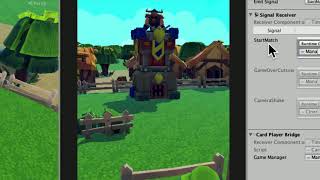
Blending Gameplay and Storytelling with Timeline - 2019 Improvements
Explore Unity's Timeline enhancements for creating interactive experiences, including Markers, Signals, and nested Control tracks, to blend gameplay and storytelling effectively.
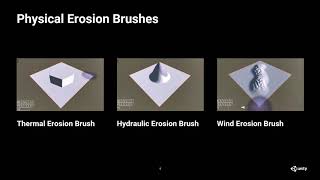
Building Beautiful Worlds with Unity's New Terrain Features
Explore Unity's new Terrain system for faster, easier landscape design. Learn tools like erosion brushes and bridge tool to create stunning, realistic game environments.

Get Started Building World-Class Networked Games with FPS Sample - Unity at GDC
Discover Unity's FPS Sample for building AAA-quality multiplayer shooters. Learn networking techniques, packet handling, and smooth world movement for creating immersive real-time multiplayer experiences.
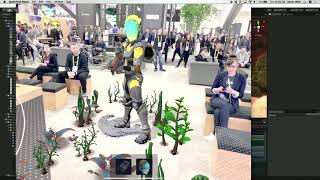
Achieving High-Fidelity AR with the Lightweight Render Pipeline
Explore Unity's AR Foundation package, including LWRP support, AR Remote, and face-tracking. Learn to create high-fidelity AR experiences using multi-platform tools and unique features.
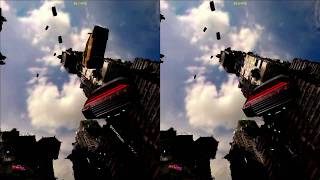
Megacity on Mobile - How We Optimized It with Adaptive Performance
Discover how Unity optimized the Megacity demo for mobile using Adaptive Performance, improving battery life and performance for complex 3D environments with millions of objects.

Substance PBR Materials Workflow for Real-Time Rendering
Explore Substance PBR materials for automotive rendering, covering creation methods, tools, and practical demonstrations for realistic vehicle materials in real-time.