EIC Accelerator Challenge: Novel Biomarker-Based Assays for Personalized Cancer Treatment
Explore novel biomarker-based assays for personalized cancer treatment. Learn about EIC Accelerator Challenge, its objectives, and innovative approaches in cancer diagnostics and therapy.

Growth and Mechanics of Tissues - SPL Rothschild Lecture
Explorez les propriétés mécaniques des tissus et leur rôle dans la croissance et l'expression génétique, en mettant l'accent sur les tissus cancéreux et le développement précoce.
Tipping Points in Cancer - Mathematical Oncology and Computational Biology
Explore the mathematical dynamics of cancer progression through computational analysis of fluid mechanics, biology, and critical transition points in tumor development.
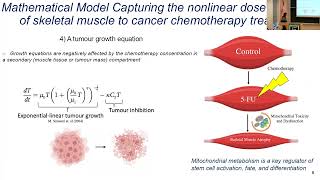
Chemotherapy-Induced Cachexia and Model-Informed Dosing to Preserve Lean Mass in Cancer Treatment
Explore mathematical modeling approaches for optimizing chemotherapy dosing to minimize muscle loss while maintaining effective cancer treatment strategies.
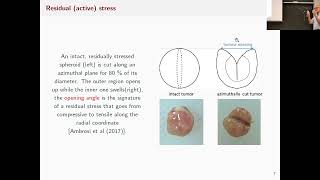
Stress and Growth in Tumor Spheroids
Explore the mathematical modeling of tumor growth dynamics, focusing on stress factors and spheroid development in oncological research and computational biology.
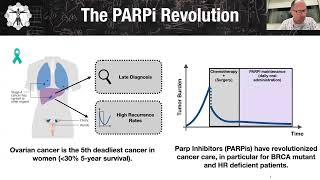
De-escalating PARP Inhibitor Maintenance Therapy in Ovarian Cancer Using Adaptive Therapy
Explore innovative approaches to PARP inhibitor maintenance therapy in ovarian cancer, focusing on adaptive treatment strategies and de-escalation methods for optimal patient outcomes.
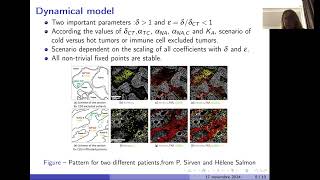
How Cancer-Associated Fibroblasts Promote T-Cell Exclusion in Human Lung Tumors: A Physical Perspective
Explore the physical mechanisms behind cancer-associated fibroblasts and their role in T-cell exclusion within lung tumors through mathematical and biological perspectives.
The Impact of Chronic Stress on Tumor Progression and Metastasis
Explore groundbreaking research on how chronic stress affects tumor growth and spread, focusing on immune system changes and their role in cancer progression.
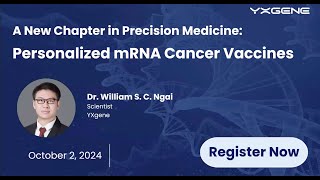
Neoantigen Targeting in Cancer Immunotherapy - Current Strategies and Future Directions
Explore the mechanisms of neoantigen generation and immune system recognition in cancer immunotherapy, covering antigen presentation, immune activation, and emerging therapeutic strategies.
Identifying Clinically Relevant Mutations in Somatic NGS Testing
Discover how to effectively identify and interpret clinically significant mutations in NGS cancer testing, focusing on practical approaches to overcome data interpretation challenges in precision medicine.
Comprehensive Profiling of Cancer Neoantigens From Aberrant RNA Splicing
Discover how computational methods identify and analyze cancer neoantigens from aberrant RNA splicing, focusing on DNA mutations and de novo RNA aberrations for advancing immuno-oncology treatments.

Cancer Immunotherapy Data Science Challenge: Data Overview - Lecture 3B
Dive into single-cell sequencing data analysis and machine learning applications for enhancing T-cell effectiveness in cancer immunotherapy through genetic modification strategies.
Measuring Gene Expression in T Cells for Cancer Immunotherapy - Lecture 2
Discover how gene expression measurement techniques in cells contribute to understanding and enhancing T-cell based cancer immunotherapy approaches through advanced sequencing technologies.

Mathematical Modelling of Microtube Driven Invasion of Glioma
Explore mathematical modeling techniques for understanding glioma invasion through microtubes, featuring advanced research insights and theoretical frameworks for cancer progression analysis.
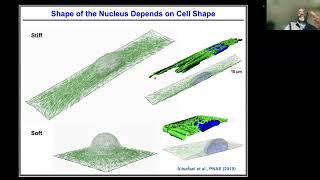
How Does the Tumor Microenvironment Regulate Genome Organization of Cancer Cells?
Explore the complex relationship between tumor microenvironments and cancer cell genome organization through mathematical modeling and cutting-edge research insights.
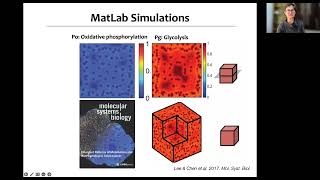
Cancer Stem Cell Heterogeneity and Tumor Microenvironments in Colorectal Cancer
Explore the complex relationship between cancer stem cells and tumor microenvironments in colorectal cancer through mathematical modeling and biological insights from leading research.
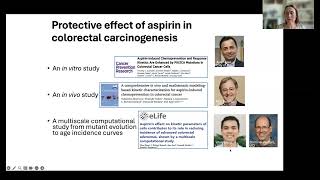
Protective Effect of Aspirin in Colorectal Carcinogenesis
Explore the mathematical modeling of aspirin's protective mechanisms in colorectal cancer development through advanced analytical approaches and research findings.
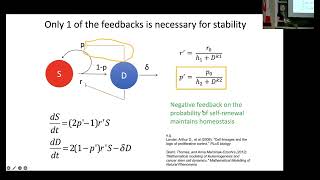
Mathematical Models of the Hematopoietic System at Homeostasis and the Clonal Evolution of Cells
Explore mathematical modeling approaches to understand hematopoietic system homeostasis and cellular clonal evolution patterns in cancer development and progression.
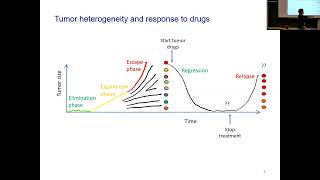
Statistical Dynamics of Tumor Initiation and Progression
Explore the mathematical modeling of tumor development through statistical dynamics, focusing on glioma invasion patterns and microtube-driven cancer progression mechanisms.
Understanding the Mechanisms of Resistance in CAR T Immunotherapy for Lymphoma and Strategies to Overcome Them
Delve into the mechanisms of CAR T cell therapy resistance in lymphoma treatment, exploring tumor evasion, T-cell dysfunction, and innovative approaches to enhance therapeutic outcomes and reduce toxicity.
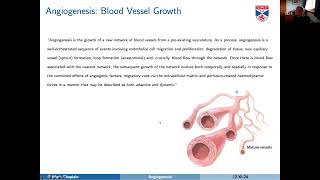
Angiogenesis - Mathematical Models in Cancer Development
Explore the mathematical modeling of blood vessel formation in cancer through advanced mathematical oncology concepts and their clinical applications.