
Bioinformatics for Cancer Genomics 2016
Explore key bioinformatics concepts and tools for analyzing cancer genomic data, including mutation detection, gene expression, and data integration techniques.
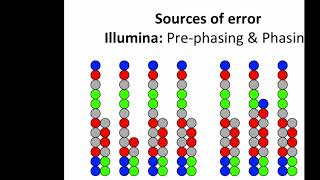
Bioinformatics for Cancer Genomics 2015
Explore cancer genomics through mapping, gene fusion, copy number alterations, somatic mutations, gene expression profiling, and network analysis. Gain insights into cutting-edge bioinformatics techniques for understanding cancer at the molecular level.
Bioinformatics for Cancer Genomics 2013
Explore cancer genomics through data visualization, alignment, mutations, pathway analysis, and gene expression profiling. Learn to interpret biological data for cancer research.
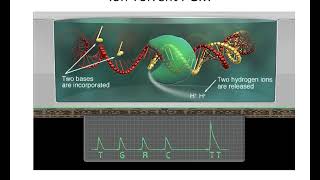
Bioinformatics for Cancer Genomics 2012
Explore cancer genomics through somatic mutations, clinical data integration, and copy number alterations. Gain insights into bioinformatics techniques for analyzing cancer genomes.
Bioinformatics for Cancer Genomics 2011
Comprehensive exploration of cancer genomics, covering mutations, clinical data integration, pathway analysis, copy number alterations, and gene expression profiling for advanced bioinformatics insights.

Pleural Effusion - Transudate or Exudate - Pulmonology
Comprehensive overview of pleural effusion, covering types, causes, diagnosis, and differentiation between exudate and transudate. Includes mnemonics and visual aids for better understanding.
Paroxysmal Nocturnal Hemoglobinuria - Etiopathogenesis and Clinical Features
Explore etiopathogenesis and clinical features of Paroxysmal Nocturnal Hemoglobinuria (PNH) based on Harrison's principles, presented by Dr. Debapriyo.

The Drug Development Journey for New Cancer Treatments - Part 2
Explore clinical studies on AKT inhibitors in cancer treatment with Prof. Nick Turner, focusing on breast cancer research and drug development advancements.

Computational Methods for Inferring Tumor Evolution and Heterogeneity
Explore computational techniques for analyzing tumor evolution and heterogeneity, enhancing understanding of cancer progression and treatment strategies.
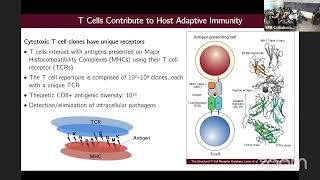
Biophysical Modeling of Tumor-Immune Interactions for Optimizing T-Cell Immunotherapy
Explore biophysical modeling techniques for tumor-immune interactions to enhance T-cell immunotherapy effectiveness and optimize treatment strategies.
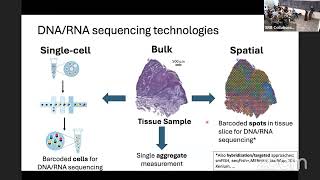
Quantifying Tumor Heterogeneity Across Space and Time
Explore advanced techniques for analyzing tumor heterogeneity spatially and temporally with Dr. Ben Raphael's in-depth presentation on cutting-edge mathematical oncology approaches.
A Top-Down-Bottom-Up Approach to Evolution-Based Therapies in Compact Populations
Explore evolution-based therapies in compact populations through a top-down-bottom-up approach with Dr. Jona Kayser's seminar on mathematical oncology.
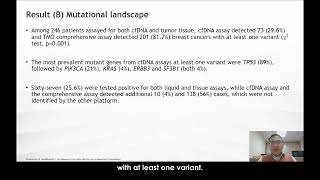
Concordance of Targeted Sequencing from Circulating Tumor DNA and Paired Tumor Tissue
Explore targeted sequencing concordance between ctDNA and tumor samples in early breast cancers. Gain insights into non-invasive testing potential and implications for liquid biopsy in clinical practice.
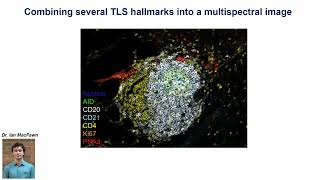
Tertiary Lymphoid Structures in Immunotherapy: Functions and Potential
Explore the role of tertiary lymphoid structures in tumor immunity, their correlation with improved prognosis, and their impact on immunotherapy response through in-depth spatial imaging analysis.
Extracellular Vesicles as Communicators Between Cells - A Role in Cancer Dissemination
Explore the role of tumor-derived extracellular vesicles in cancer metastasis and pre-metastatic niche formation through cutting-edge research on melanoma and neuroblastoma models.
When Good Things Go Off TRK - The Intersection of Neurodevelopment and Oncology
Explore the link between neurodevelopment and cancer biology, focusing on neurotrophins and their receptors. Gain insights into CNS tumor growth and potential novel therapeutic approaches.
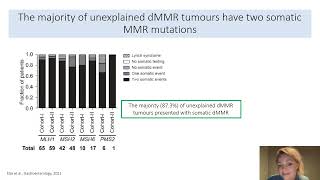
Non-Coding Aberrations in Mismatch Repair Genes Underlie a Substantial Part of the Missing Heritability in Lynch Syndrome
Explore non-coding aberrations in mismatch repair genes and their role in Lynch syndrome heritability. Gain insights into diagnostic approaches and functional testing methods.
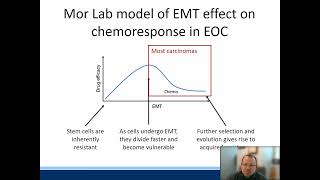
Epithelial-Mesenchymal Transition in Cancer - Novel Treatments for Drug Resistant and Metastatic Cells
Explore novel treatments targeting epithelial-mesenchymal transition to combat drug resistance and metastasis in cancer, focusing on recent developments and therapeutic potential.
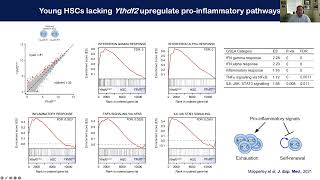
The Impact of RNA Modifications on Normal and Malignant Haematopoiesis
Explore RNA modifications' influence on normal and malignant blood cell formation with insights from cutting-edge research in stem cell biology and cancer plasticity.
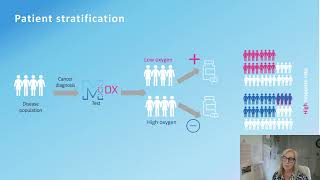
Hypoxia Biomarkers - Personalizing Cancer Treatments by Targeting Hypoxia
Explore hypoxia biomarkers for personalized cancer treatments. Learn about tumor microenvironments, prognosis impacts, and treatment resistance. Gain insights into targeting hypoxia for improved patient outcomes.
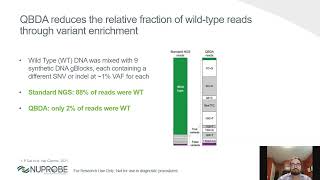
Emerging Solutions for Non-Invasive Cancer Monitoring
Explore non-invasive cancer monitoring through liquid biopsy, focusing on Blocker Displacement Amplification technology for improved detection and longitudinal tracking of cancer biomarkers.