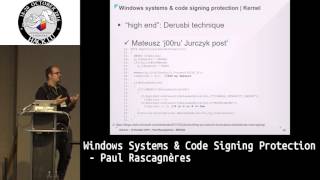
Windows Systems and Code Signing Protection - Hack.lu 2016
Explores Windows code signing mechanisms, kernel implications, rootkit bypass techniques, and user-land protections, focusing on authenticode and its impact on system security.
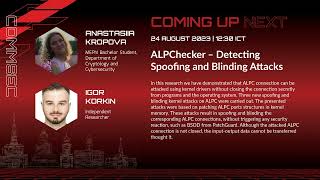
ALPChecker: Detecting Spoofing and Blinding Attacks on ALPC - HITB 2023
Presentation on ALPChecker, a new security tool designed to detect kernel mode attacks on Windows' ALPC mechanism, addressing vulnerabilities in inter-process communication.

Privilege Escalation from Medium to High Integrity Level in Windows
Unveiling a Windows design flaw allowing privilege escalation from Medium to High integrity level, demonstrating a 100% reliable exploit on the latest Windows versions.

Windows Agentless C2 - Abusing the MDM Client Stack
Unveils innovative research on exploiting Windows MDM stack for agentless C2 systems. Explores vulnerabilities, custom C2 server creation, and remote device control techniques, inspiring new defensive strategies.
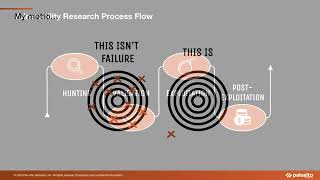
Hunting File System Redirection Bugs Through Instrumentation
Explore file system redirection vulnerabilities and learn dynamic testing techniques using Microsoft's Detours for effective bug hunting in Windows systems.
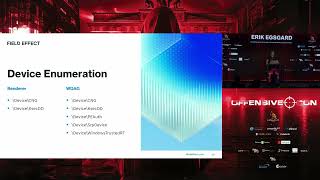
Attacking Windows Device Drivers: Almost Escaping the Sandbox
Explore techniques for attacking Windows device drivers and potential sandbox escape methods in this advanced security analysis presentation.
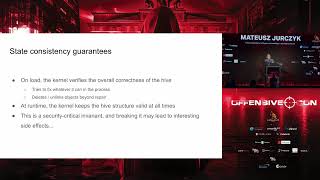
Practical Exploitation of Registry Vulnerabilities in the Windows Kernel
Explore practical exploitation techniques for Windows kernel registry vulnerabilities, enhancing your understanding of system security and potential attack vectors.
Your Mitigations Are My Opportunities - Windows Exploitation and Bypass Techniques
Explore Windows exploitation techniques, bypassing security measures like HVCI and EDR, with insights on disabling drivers and practical demonstrations.

Securing Windows Workloads in Cloud Native Environments
Learn strategies and best practices for enhancing security in Windows-based cloud environments, focusing on workload protection and risk mitigation.
Winning the Game of Active Directory - Securing Against Common Attack Strategies
Master essential Active Directory security strategies, from common attack vectors to implementing robust defensive measures for protecting enterprise environments and preventing network compromises.

The Complete PGP Encryption Tutorial Using Gpg4win and GnuPG
Comprehensive guide on using PGP encryption with Gpg4win and GnuPG on Windows and Linux. Learn to secure your communications and protect sensitive data effectively.
Matching Windows Event Log IDs with MITRE ATT&CK
Explore Windows Event Log IDs and their correlation with MITRE ATT&CK framework, enhancing threat detection and incident response capabilities in cybersecurity.
WoW Hell - Rebuilding Heaven's Gate
Explore WoW64 architecture, its translation mechanisms, and potential vulnerabilities. Learn about reverse engineering techniques and bypassing security measures in Windows systems.
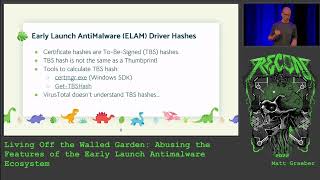
Living Off the Walled Garden
Explore Windows security vulnerabilities in ELAM and PPL, revealing how overly-permissive rules can be exploited for malware protection and code execution, hampering detection efforts.
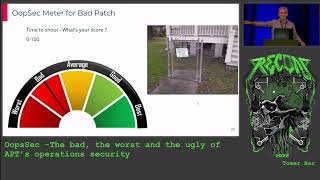
OopsSec - The Bad, the Worst, and the Ugly of APT
Unveiling critical mistakes in APT campaigns across global threat actors, revealing advanced TTPs, and exploring real-time monitoring of sophisticated attacks. Insights on improving organizational defense against evolving threats.
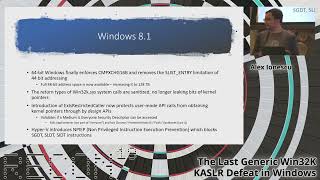
The Last Generic Win32K KASLR Defeat in Windows
Detailed exploration of Windows kernel security, focusing on KASLR defeats, heap vulnerabilities, and recent changes in RS4. Insights into potential exploits and current Windows KASLR state.
Smartphones Insecurity
Comprehensive analysis of smartphone vulnerabilities, exploring security flaws and potential exploits in mobile platforms. Insights from experienced security researchers on reverse engineering and exploit development.
Abusing Privileged File Operations on Windows
Explore techniques for exploiting privileged file operations in Windows systems, uncovering potential vulnerabilities and security risks.
Subverting Trust in Windows
Explore techniques for manipulating Windows trust mechanisms, including code signing and execution policies, to bypass security controls and elevate privileges.
Using Ancient Math to Speed Up Security Assessments of Windows Executables
Discover how to accelerate Windows executable security assessments using Euclidean Distance and Bayes Theorem, enabling rapid triage and efficient risk reduction in regulated environments.
Disrupting the Kill Chain
Comprehensive defense strategy for Windows environments, leveraging native Microsoft tools to disrupt cyber-attack kill chains. Covers detection, response, and automated remediation across various attack stages.