
How Hard Is It to Test the GPU Driver?
Explore the complexities of testing GPU drivers, including CI tools, embedded systems, and handling unexpected behaviors across kernel and user-space components.
Advanced Graphics Features in Mobile Games with Vulkan
Elevate graphic quality and performance in mobile games using Vulkan API, featuring real-world examples and demonstrations of advanced techniques.
Xen-based GPU Virtualization: VirtIO and Passthrough Implementation
Explore AMD's advancements in GPU virtualization for Xen platforms, covering VirtIO GPU implementation, passthrough capabilities, and performance improvements for enhanced graphics support in virtual environments.
Improving the World's Slowest Raytracer - RADV Implementation Progress
Dive into the evolution of RADV's raytracing implementation, exploring performance improvements, compatibility expansions, and current capabilities in Mesa 23.2's graphics rendering system.

Reducing Stutters with Uber Shaders in Zink - OpenGL Driver Optimization
Discover how uber shaders optimize Zink's OpenGL driver performance by eliminating shader compilation delays and improving pipeline state handling for smoother graphics rendering.
Ongoing Challenges in the Raspberry Pi Graphics Driver Stack
Explore ongoing developments in Raspberry Pi 4 driver stack, including OpenGL 3.x implementation, Vulkan driver CPU job handling improvements, and global GPU usage statistics tracking.

Android Game Graphics - OpenGL ES vs. Vulkan Case Study
Explore OpenGL ES and Vulkan graphics APIs for Android games, comparing performance, power benefits, and use cases to help developers choose the best option for their projects.
Rendering Multiple Objects - Ray Tracing Series
Learn to render multiple objects in a ray tracing scene, including structuring the scene, positioning spheres, and adapting the renderer for improved efficiency and realism.
Adding an Interactive 3D Camera System - Ray Tracing Series
Learn to implement an interactive 3D camera system for ray tracing, covering camera mechanics, class creation, ray direction calculations, and integration into a ray tracing application.

Bloom: Understanding and Implementing the Visual Effect in Game Graphics
Explore the visual effect of bloom in graphics, from Photoshop techniques to implementation in game engines like Unity and AAA titles, with practical examples and tutorials.
SPIR-V and the New Shader System - Game Engine Series
Explore SPIR-V and the new shader system in game engine development, covering uniform buffers, GLSL changes, and shader pipeline implementation with code examples.
How Materials Work
Explore the fundamentals of materials in computer graphics, covering shaders, uniforms, textures, and Vulkan, to enhance your game development skills.
Current State of Graphics Virtualization Upstream
Explore the latest developments in Linux graphics virtualization, focusing on open-source solutions for containerized and virtualized workloads in modern hardware environments.

How to Render Circles - OpenGL, Vulkan, DirectX, Metal
Learn techniques for rendering circles in popular graphics APIs, exploring efficient methods and optimizations for smooth, high-performance circular shapes in real-time applications.
FAST Random Number Generation in 3 Lines of Code - Ray Tracing Series
Learn to implement fast random number generation in just 3 lines of code for ray tracing applications, with a focus on GPU optimization and performance in C++.
Emission and Emissive Materials - Ray Tracing Series
Explore emission and emissive materials in ray tracing, enhancing your ability to create realistic lighting effects and improve the visual quality of rendered scenes.
The Open Graphics Stack
Explore the open graphics stack for embedded systems, covering Linux, Vulkan, and Mesa compilers, with insights on application, engine, driver, and kernel components.
Overview of a Modern DRM Driver
Explore modern DRM driver features: firmware-offloaded scheduling, GPU VA manager, and explicit-only sync primitives in Imagination Technologies' open-source PowerVR driver.
Raspberry Pi 5: Challenges and Solutions in Bringing up OpenGL/Vulkan Drivers for a New GPU
Explore challenges and solutions in developing open-source OpenGL/Vulkan drivers for Raspberry Pi 5's new GPU, with insights on major changes and future developments.
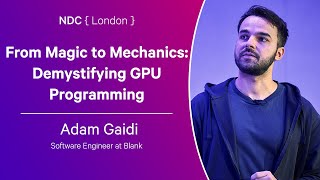
From Magic to Mechanics: Demystifying GPU Programming
Demystifying GPU programming: Learn parallel programming fundamentals, GPU architecture, and how to leverage WebGPU and Vulkan for high-performance computing across devices.
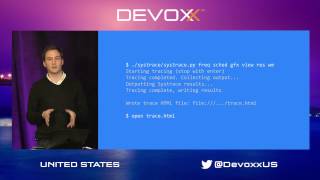
Graphics Something Android Something Performance
Explore Android graphics and performance optimization with Google experts. Learn tips, tricks, and techniques to enhance your app's visual appeal and efficiency.