Asthma and COPD - The EM Boot Camp Course
Comprehensive overview of asthma and COPD for emergency medicine practitioners, covering definitions, pathophysiology, diagnosis, assessment, and management strategies for acute exacerbations.
Fick's Principle for Body Fluid Compartments
Explore Fick's Principle for body fluid compartments, protein functions in cell membranes, and their applications in physiology. Gain insights into osmosis, dehydration, and intracellular fluid dynamics.
Gout Diagnosis
Comprehensive overview of gout diagnosis, covering definition, risk factors, physiology, and joint fluid analysis. Equips learners with essential knowledge for accurate identification and management of gout.
Ventilation, Hypoventilation and Hyperventilation - Pulmonary Medicine
Explore ventilation, hypoventilation, and hyperventilation effects on acid-base balance. Learn about respiratory rates, upper airway issues, and chronic emphysema in pulmonary medicine.
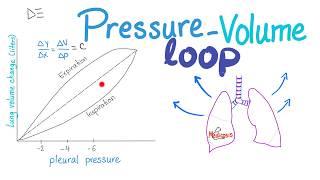
Pressure-Volume Loops - Compliance - Respiratory Physiology
Explore pressure-volume loops, pulmonary compliance, and respiratory physiology in this concise tutorial. Gain insights into lung expansion, surface tension, and the work of breathing.

Airway Resistance and Dead Space - Respiratory Physiology
Explore airway resistance and dead space in respiratory physiology, covering bronchial resistance, collapsing pressure, and ventilation types for a comprehensive understanding of lung function.
Osteoarthritis - Pathophysiology
Explore the pathophysiology of osteoarthritis, including cartilage degeneration, subchondral sclerosis, and osteophyte formation. Learn about risk factors and debunk common myths.

Shock - Hypovolemic, Cardiogenic, Obstructive, Distributive
Comprehensive exploration of shock types, pathophysiology, features, diagnosis, and treatment, with practice cases for medical professionals and students.
Common Upper Extremity Compression Neuropathies
Comprehensive overview of upper extremity compression neuropathies, covering diagnosis, treatment, and key anatomical considerations for conditions like carpal tunnel and cubital tunnel syndromes.
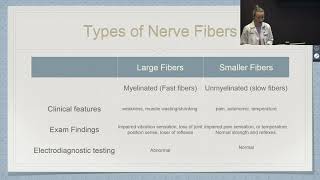
Prime Time Alive- Polyneuropathy
Explore polyneuropathy's causes, symptoms, and treatments with Dr. Semira Ramic. Learn about nerve fiber types, risk factors, and management strategies for this neurological condition.

Salivation - Salivary Glands: Parotid, Submandibular, Sublingual - GI Physiology
Comprehensive exploration of salivary glands, their functions, and related physiological processes. Covers major glands, innervation, and clinical implications like dry mouth and pancreatitis.
Renal Endocrine Function - Is Your Kidney a Gland?
Explore the kidney's role as an endocrine gland, focusing on its production of erythropoietin, vitamin D, and renin. Learn how these hormones impact various bodily functions.
Digestion - Ultimate Review - From A to Z
Comprehensive review of the digestive system, covering anatomy, physiology, and key processes. Ideal for medical students and healthcare professionals seeking in-depth understanding of gastroenterology.
Asthma by Gerhard Wolf, MD for OPENPediatrics
Comprehensive overview of ICU management for asthma patients, covering pathophysiology, medications, intubation, ventilation, inhaled gases, and sedation techniques for healthcare professionals.
Hyponatremia in the Critically Ill Child
Explore pathophysiology, diagnosis, and treatment of hyponatremia in critically ill children through expert insights and clinical case studies. Learn to manage this common electrolyte disorder effectively.
Cell-Mediated Immunity - Physiology Lectures
Explore T-cell immunity's role in destroying cancer, virus-infected, and fungal cells. Learn about T-lymphocyte activation and its impact on various diseases and medical procedures.

Erythropoiesis, EPO, Iron, Vitamin B12 and Folate - Physiology Series
Comprehensive overview of red blood cell production, focusing on key factors like erythropoietin, iron, vitamin B12, and folate. Covers related disorders and their physiological impacts.

Autonomic Nervous System
Explore the autonomic nervous system's motor and sensory functions, correcting misconceptions and providing insights into its role in physiology and bodily regulation.
Dementia and Alzheimer's Disease
Explore dementia and Alzheimer's, covering definitions, case studies, biomarkers, genetics, pathophysiology, and the role of sleep in cognitive health.
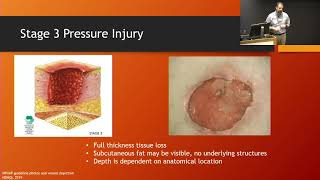
Wound Care - A Team Approach and An Overview of Hyperbaric Oxygen Therapy
Comprehensive overview of wound care approaches, including hyperbaric oxygen therapy. Explores pathophysiology, treatment roles, innovative techniques, and future developments in wound management.
Emerging Trends in Research - Journal Prioritization
Explore journal prioritization in pediatric critical care research, gaining insights on emerging trends and understanding how to stay updated with key publications in the field.