Cardiovascular Pathology: Myocarditis, Sarcoidosis, and Giant Cell Myocarditis - Grand Rounds
Dive into cardiovascular pathology, correlating clinical presentations with underlying mechanisms and exploring diagnostic techniques to enhance patient care.
Cardiology Grand Rounds: Clinicopathological Correlation
Explore the correlation between clinical presentations and pathophysiology of cardiovascular disorders, focusing on pathologic features and the role of autopsy in improving clinical care.

Aortic Insufficiency: Where We Are and Where Are We Going?
Dive into the current state and future prospects of aortic insufficiency treatment, exploring advancements and potential developments in cardiovascular care.
Doppler Mean Gradient Underestimation of Aortic Stenosis Severity During Atrial Fibrillation
Uncover the impact of atrial fibrillation on Doppler mean gradient measurements in aortic stenosis assessment, enhancing diagnostic accuracy and patient care.
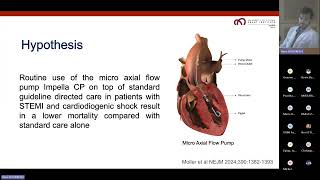
AMI Cardiogenic Shock - An Old Danger with a New Treatment
Explore the latest advancements in treating AMI Cardiogenic Shock, a critical cardiac condition, and discover new approaches to improve patient outcomes.
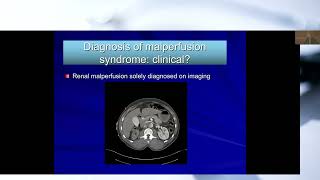
Aortic Dissection and Malperfusion: A Practical Guide to Tame the Beast
Dive into the pathophysiology and treatment strategies for malperfusion during aortic dissection with expert insights from Dr. François Dagenais.
Journey of a Patient with Heart Failure - Cardiac Nursing Series
Dive into comprehensive cardiac nursing, covering heart failure pathophysiology, management, rehabilitation, transplants, LVADs, and palliative care. Gain insights from expert nurses and doctors on patient care throughout the heart failure journey.
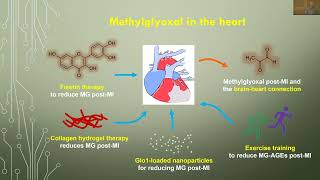
Dealing With Methylglyoxal After Myocardial Infarction
Explore the role of methylglyoxal post-myocardial infarction and potential therapies to mitigate its effects, presented by Dr. Erik Suuronen from the University of Ottawa Heart Institute.
Sudden Cardiac Death: Pathophysiology, Prediction and Prevention
Explore pathophysiology, prediction, and prevention strategies for sudden cardiac death with expert insights from Prof. Gerhard Hindricks of Charité University Hospital.
Heart Failure With an Improved Left Ventricular Ejection Fraction
Dive into the mechanics, models, and management of heart failure with improved left ventricular ejection fraction in this comprehensive lecture by Dr. Douglas Mann.

Nutrition - Health Science
Explore nutrition, pharmacognosy, and human physiology. Learn about diet planning, herbal drug evaluation, and the effects of exercise on body systems. Gain insights into women's achievements in science.

Human Physiology Lectures - Best Human Anatomy and Physiology Lectures from Shomu's Biology
Comprehensive lectures covering major body systems: cardiovascular, excretory, nervous, digestive, and endocrine. Gain in-depth understanding of human physiology and anatomy.
Human Cardiovascular System Lecture
Explore the human cardiovascular system, including blood pressure measurement, cardiac cycle, ECG graphs, and heart mechanics in this comprehensive lecture.
Human Respiratory System Lecture
Comprehensive exploration of pulmonary mechanics, gas exchange, and respiratory processes, covering ventilation, pressure dynamics, and physiological mechanisms like the Haldane effect.
Human Digestive System Lecture
Comprehensive exploration of human digestive processes, from mechanical breakdown to enzymatic action and nutrient absorption, covering major organs and physiological mechanisms involved.

Human Excretory System - Human Excretion and the Role of Kidney and Nephron in Human Excretion
Comprehensive exploration of the human excretory system, focusing on kidney and nephron structure, function, and urine formation processes. Ideal for understanding renal physiology and blood filtration mechanisms.
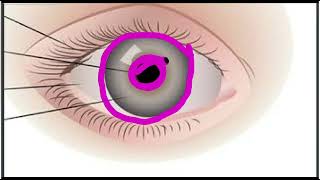
Grade 6 Basic Science - Our Body
Explore the human body's structure and functions in this comprehensive unit for Grade 6 students, focusing on essential biological concepts.
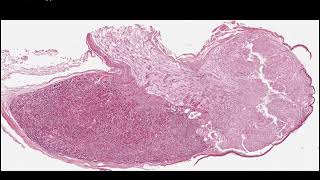
Pituitary and Hypothalamus
Comprehensive exploration of pituitary gland and hypothalamus anatomy, embryology, vascular supply, histology, and hormones. Covers anterior and posterior pituitary hormones, including FSH, LH, ACTH, TSH, PRL, GH, ADH, and OT.
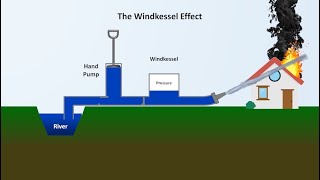
The Arterial System and Blood Pressure
Explore factors influencing blood pressure, including Windkessel effect, arterial compliance, and age. Learn about respiratory pulse pressure variation and its clinical significance.

Hemodynamics
Explore cardiovascular fluid dynamics, including hydrostatic pressure, flow equations, and resistance laws. Gain insights into key principles of hemodynamics for a deeper understanding of cardiovascular physiology.

Cardiac Mechanics - Preload, Afterload, Contractility, Ejection Fraction, and Cardiac Output
Comprehensive exploration of cardiac mechanics, covering key factors influencing heart function, measurement techniques, and the Frank-Starling mechanism for a deeper understanding of cardiovascular physiology.