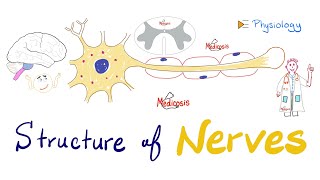
Structure of Neurons - Nerve Physiology
Explore neuron structure and nerve physiology, focusing on action potentials. Learn about the nervous system's components and their functions in this comprehensive overview.
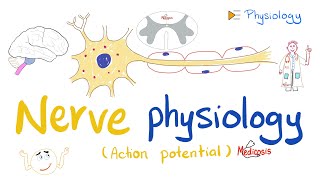
Nerve Physiology - Introduction to the Action Potential
Explore nerve physiology and the action potential in this comprehensive introduction, covering key concepts and mechanisms of neural signaling and communication.
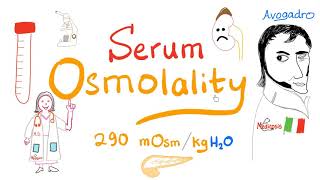
Serum Osmolality - What Is the Osmolarity of Your Plasma?
Explore serum osmolality, its measurement, and clinical significance. Understand osmolality vs. osmolarity, dehydration, tonicity, and related concepts for improved patient care.

Control of the Autonomic Nervous System - Baroreceptors, Juxtaglomerular
Explore autonomic nervous system control, baroreceptors, and juxtaglomerular apparatus. Learn about receptor types, agonists, antagonists, and blood pressure regulation mechanisms.
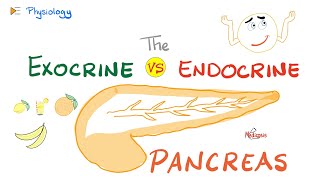
Pancreatic Enzymes and Hormones - Exocrine vs Endocrine - Gastrointestinal Physiology Lectures
Comprehensive overview of pancreatic function, exploring exocrine and endocrine roles, digestive enzymes, and hormones like insulin and glucagon. Ideal for medical students and professionals.
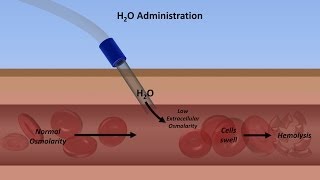
Hypernatremia
Comprehensive review of hypernatremia covering causes, diagnosis, and treatment, with emphasis on diabetes insipidus and practical clinical management strategies.

Sodium and Potassium Metabolism - Renin, Angiotensin, Aldosterone, and ADH
Comprehensive overview of sodium, potassium, and water homeostasis, exploring key hormonal systems and their roles in regulating intravascular volume and blood pressure.
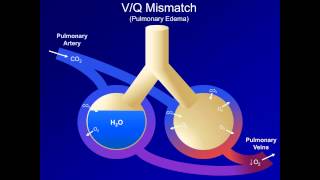
Hypoxia and Hypoxemia: Mechanisms and Etiologies - ABG Interpretation
Comprehensive review of hypoxemia mechanisms, including diffusion impairment, V/Q mismatch, and shunting. Explores etiologies and radiographic patterns for enhanced understanding of gas exchange abnormalities.
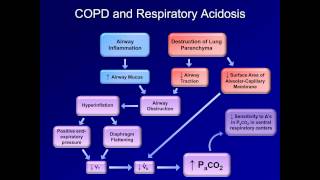
Respiratory Acidosis - ABG Interpretation
Explore respiratory acidosis, its causes, and physiological mechanisms. Learn about ventilation control, alveolar equations, and conditions like COPD and obesity hypoventilation syndrome.

Heart Sounds
Learn to recognize normal and abnormal heart sounds, including S1-S4, clicks, and more. Explore their physiology and diagnostic significance with audio examples. Best experienced with headphones.

Cytoskeleton Structure & Function
Explore the intricate world of cellular architecture, focusing on microfilaments, intermediate filaments, and microtubules. Gain insights into their crucial roles in maintaining cell structure and function.

What Energy Drinks Do to the Body
Explore the physiological impact of energy drinks on the human body, focusing on nervous system effects, caffeine and sugar content, and potential health implications.

Renal - Autoregulation
Explore kidney autoregulation mechanisms, including tubuloglomerular feedback, myogenic response, and the Renin-Angiotensin-Aldosterone-ADH system. Learn how these processes maintain renal function and blood pressure.

Transverse Myelitis
Comprehensive overview of transverse myelitis, covering etiology, pathophysiology, clinical features, diagnosis, and treatment. Ideal for medical students and healthcare professionals seeking in-depth understanding of this neurological condition.

Cerebral Palsy - Etiology, Pathophysiology, Complications, Treatment
Comprehensive overview of cerebral palsy, covering causes, disease mechanisms, associated complications, and treatment options. Ideal for medical students and healthcare professionals seeking in-depth knowledge.
Respiratory Alkalosis
Comprehensive exploration of respiratory alkalosis, covering pathophysiology, causes like high intracranial pressure and low oxygen, and treatment approaches.
Respiratory Acidosis
Comprehensive exploration of respiratory acidosis, covering causes, physiological mechanisms, and treatment approaches. Ideal for medical students and healthcare professionals seeking in-depth understanding.
Respiratory - External Respiration- Thickness & Surface Area of Respiratory Membrane
Explore external respiration, focusing on respiratory membrane thickness and surface area. Learn about factors affecting gas exchange efficiency and related medical conditions.

Respiratory - External Respiration: Ventilation Perfusion Coupling
Explore external respiration and ventilation-perfusion coupling, focusing on how ventilation and perfusion change from lung apex to base and their impact on gas exchange efficiency.

Male Reproductive System - Erection & Ejaculation
Explore the physiology of male erection and ejaculation, including nervous system involvement and the action of drugs like Viagra. Learn about key structures and processes in male reproduction.
Cardiovascular - Blood Pressure Regulation - Hypotension
Explore blood pressure regulation and hypotension, including baroreceptors, cardiac centers, vasomotor nerve center, and hormonal responses to maintain homeostasis during low blood pressure.