
Antianginal Drugs Pharmacology - Dr Najeeb
Comprehensive exploration of antianginal drugs, covering mechanisms, types, and management strategies. Focuses on improving heart oxygenation and reducing cardiac workload for effective angina treatment.

G-Protein and G-Protein-Coupled Receptors - Cell Surface Receptor - Physiology - Endocrinology
Explore G-Protein and G-Protein-Coupled Receptors, key components in cell signaling. Learn about their structure, activation, and role in physiological processes like neurotransmission and hormone action.
Pulmonary Hypertension
Comprehensive overview of pulmonary hypertension, covering types, causes, pathophysiology, diagnosis, and treatment. Includes practice cases for applied learning and understanding.

Pharmacology - Anticoagulants & Antiplatelet Drugs
Comprehensive overview of anticoagulants and antiplatelet drugs, covering mechanisms, pathways, and specific medications for preventing blood clots and treating related disorders.
Pediatric Acute Lung Injury Consensus Conference
Comprehensive update on pediatric acute lung injury consensus, covering definition, epidemiology, pathophysiology, treatment strategies, and outcomes. Highlights international expert collaboration and evidence-based recommendations.
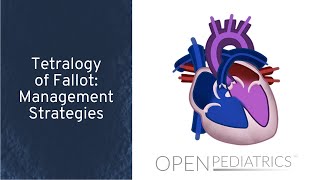
Tetralogy of Fallot: Management Strategies
Comprehensive overview of Tetralogy of Fallot anatomy, physiology, and management strategies for pediatric cardiologists, focusing on typical cases and their treatment approaches.
Status Epilepticus
Comprehensive overview of status epilepticus, covering definition, epidemiology, pathophysiology, and pharmacotherapy. Ideal for healthcare professionals seeking in-depth knowledge on managing this critical condition.

Pulmonary Hypertensive Vascular Disease - Pathobiology & Treatment with Jeff Fineman
Explore pulmonary hypertension's complexities in pediatrics, including its definition, pathobiology, and unique challenges. Learn about latest research and bedside approaches from an expert in the field.

Lung Neoplasms
Comprehensive exploration of lung neoplasms, covering types, causes, features, complications, diagnosis, and treatment. Includes practice cases for applied learning.
Cushing's Syndrome
Comprehensive exploration of Cushing's Syndrome, covering pathophysiology, diagnosis, and treatment. Differentiates between syndrome and disease, providing in-depth understanding of cortisol's effects on the body.
Hyperaldosteronism
Comprehensive exploration of hyperaldosteronism, covering pathophysiology, diagnosis, and treatment. Examines primary and secondary causes, aldosterone effects, and diagnostic approaches including imaging studies.
Restrictive Lung Diseases
Comprehensive exploration of restrictive lung diseases, covering pathophysiology, features, diagnosis, and treatment. Includes comparisons with normal and obstructed lungs, plus practice cases for applied learning.

Acute Lymphoblastic Leukemia - ALL
Comprehensive overview of Acute Lymphoblastic Leukemia, covering hematopoiesis, pathophysiology, diagnosis, and treatment. Ideal for medical students and healthcare professionals seeking in-depth understanding of ALL.
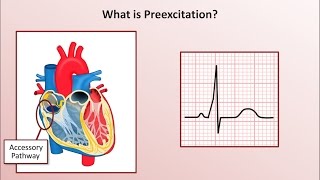
Advanced EKGs - Wolff-Parkinson-White Syndrome
Comprehensive exploration of Wolff-Parkinson-White syndrome, covering pathophysiology, EKG features, arrhythmias, and accessory pathway localization for medical professionals.
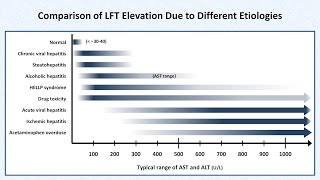
Interpretation of Liver Function Tests
Comprehensive review of liver function tests, exploring normal physiology, causes of abnormalities, and diagnostic patterns for various liver conditions. Equips learners with essential knowledge for interpreting LFTs.
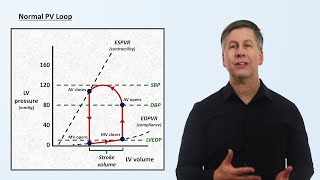
The Cardiac Cycle and PV Loops
Explore cardiac cycle intricacies, pressure-volume loops in various conditions, and myocardial work/oxygen consumption for a comprehensive understanding of heart physiology.

The Cardiovascular System: An Overview
Comprehensive overview of cardiovascular system anatomy, function, and histology, covering heart structure, cardiac cycle, blood vessels, and tissue composition.

Acute Myelogenous Leukemia - AML
Comprehensive overview of Acute Myelogenous Leukemia, covering hematopoiesis, pathophysiology, diagnosis, and treatment. Ideal for medical students and healthcare professionals seeking in-depth understanding of AML.
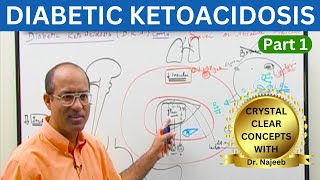
Diabetic Ketoacidosis - Symptoms, Causes, and Diagnosis - Part 1
Comprehensive exploration of diabetic ketoacidosis, covering symptoms, causes, and diagnosis. Delves into insulin deficiency, ketogenesis, and metabolic changes, providing valuable insights for medical professionals and students.

Hypothalamus - Anatomy, Structure, and Function in Neurology
Comprehensive exploration of hypothalamus anatomy, structure, and function in neurology. Covers its role in homeostasis, endocrine regulation, and autonomic control, emphasizing its importance in maintaining bodily balance.
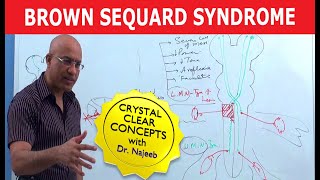
Brown-Sequard Syndrome - Internal Medicine
Comprehensive exploration of Brown Sequard Syndrome, covering pathophysiology, clinical presentation, diagnosis, and management strategies in internal medicine.