
Ghidriff
Explore ghidriff, an open-source Python package for efficient binary diffing using Ghidra. Learn about its command-line interface, function matching heuristics, and markdown output for simplified patch analysis and vulnerability research.
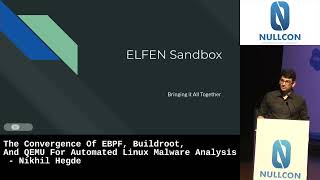
The Convergence of eBPF, Buildroot, and QEMU for Automated Linux Malware Analysis
Explore eBPF, Buildroot, and QEMU for automated Linux malware analysis. Learn about ELFEN sandbox and see demonstrations of analyzing popular malware families like Mirai and AvosLocker.

Humans vs. Machines in Malware Classification
Experimental study comparing human and machine approaches to malware classification, revealing insights into feature prioritization and decision-making processes for both novice and expert analysts.
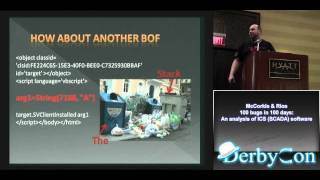
100 Bugs in 100 Days - An Analysis of ICS - SCADA Software
Analyzing industrial control system software vulnerabilities, focusing on HMI/control server software, vendor practices, and security implications for critical infrastructure.
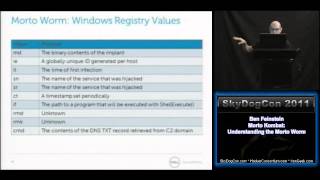
Morto Kombat - Understanding the Morto Worm
Explore the Morto worm's functionality, propagation methods, and impact on network security. Gain insights into defending against this malicious software.
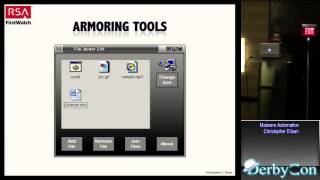
Malware Automation
Explore malware automation techniques, from lone wolf attacks to armored malware armies. Learn about DIY kits, armoring tools, and strategies to evade antivirus detection.
Identifying Evil - An Introduction to Reverse Engineering Malware and Other Software
Explore reverse engineering techniques for malware analysis and software investigation, gaining insights into identifying and understanding malicious code.
Finding the Signal in the Noise - Quantifying Advanced Malware
Quantifying advanced malware through data analysis, focusing on finding patterns in large datasets to identify threats and improve detection methods.
The Malware Management Framework - A Process You Can Use To Find Advanced Malware
Discover a comprehensive process for identifying advanced malware using the Malware Management Framework. Learn about key components, tools, and practical steps for effective malware detection and management.
Malware Testing - Malware Scenarios On Your Network
Explore malware testing scenarios to enhance network security with insights from Tony Huffman and Juan Corte. Learn practical techniques for identifying and mitigating threats in real-world environments.
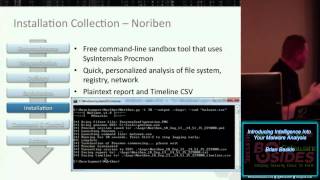
Introducing Intelligence into Your Malware Analysis
Enhance malware analysis techniques with intelligent approaches to uncover hidden threats and improve detection capabilities.
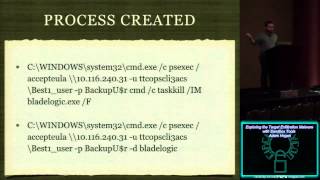
Exploring the Target Exfiltration Malware with Sandbox Tools
Explore target exfiltration malware using sandbox tools. Learn static and dynamic analysis techniques, process management, and considerations for effective malware detection and security automation.
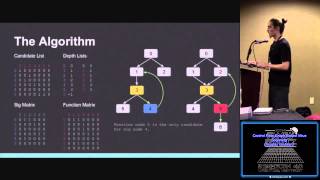
Control Flow Graph Based Virus Scanning
Explore advanced virus scanning techniques using control flow graphs, enhancing malware detection capabilities and improving cybersecurity defenses.
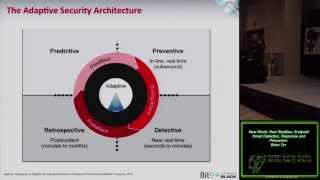
New World New Realities - Endpoint Threat Detection, Response, and Prevention
Explore evolving security challenges, advanced threats, and modern defense strategies. Learn to rethink security, reduce attack surfaces, and implement real-time detection and rapid response techniques.
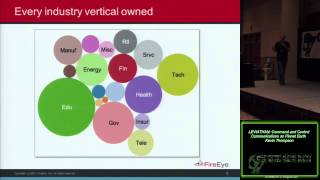
Leviathan Command and Control Communications on Planet Earth - Kevin Thompson
Explore worldwide malware ecosystems, C2 networks, and geopolitical impacts on cybersecurity. Analyze callback patterns, industry verticals, and global connectivity in this comprehensive cyberthreat overview.

Malware Development as the Evolution of Parasites - Adam Hogan
Explore malware development through the lens of parasitic evolution, drawing parallels to improve cybersecurity strategies and predict future threats.
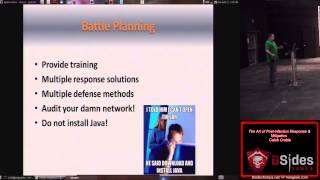
The Art of Post-Infection Response and Mitigation
Explore post-infection response strategies, including malware analysis, memory dumps, and tool usage for effective incident handling and mitigation in cybersecurity.
201 Ways to Identify Malware on a System
Comprehensive guide on malware detection techniques, covering various methods to identify and analyze malicious software on computer systems.
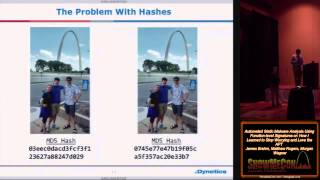
Automated Static Malware Analysis Using Function Level Signatures or How I Learned to Stop Worry
Explore automated static malware analysis techniques using function-level signatures, enhancing your ability to detect and analyze malicious software efficiently.
Operationalizing Yara
Learn to effectively implement and utilize Yara rules for enhanced threat detection and malware analysis in operational environments.
Malware Armor
Explore malware analysis techniques, including dynamic and static analysis, anti-virtualization detection, anti-debugging, and obfuscation methods. Learn to use various tools for effective malware armor analysis.