The Long Journey to a Multi-Architecture Disassembler
Explore multi-architecture disassembly techniques, from intuitive strategies to advanced concepts like non-returning calls, type libraries, and identifying library routines.
Defeating APT10 Compiler-level Obfuscations
Explore techniques to overcome compiler-level obfuscations used by APT10, enhancing your ability to analyze and defend against advanced persistent threats.
The Snake Keeps Reinventing Itself
Explore the evolution and tactics of "The Snake" malware, including infection vectors, lateral movement, and backdoor mechanisms in this cybersecurity analysis.
OO RE with HexraysCodeXplorer
Explore object-oriented reverse engineering techniques for modern malware analysis, focusing on C++ code reconstruction and tools like HexRaysCodeXplorer for tackling complex malware frameworks.
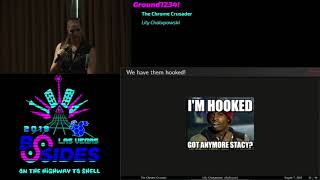
The Chrome Crusader
Explore Chrome extension vulnerabilities, security considerations, and potential exploits. Learn about architecture, headers, and isolation techniques for safer browsing experiences.
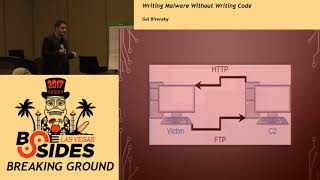
Writing Malware Without Writing Code
Explore techniques for creating malware without coding, covering keyloggers, ransomware, and persistence methods. Learn about ethical hacking and cybersecurity vulnerabilities.
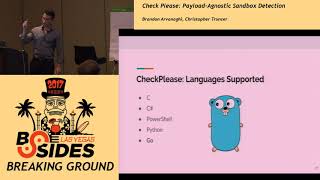
CheckPlease - Payload-Agnostic Sandbox Detection
Explore payload-agnostic sandbox detection techniques, including sleep evasion, encryption, and user activity analysis. Learn to build profiles and implement various detection methods across languages.
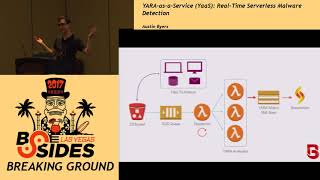
YARA-as-a-Service - Real-Time Serverless Malware Detection
Explore real-time serverless malware detection using YARA and Binary Alert. Learn about scalable security tools, features, and implementation for enhanced threat protection.
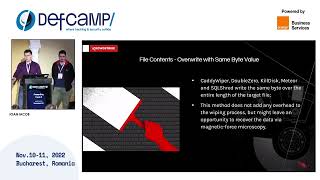
The Anatomy of Wiper Malware - DefCamp - 2022
Explore wiper malware anatomy with CrowdStrike experts. Learn techniques, data handling, kernel drivers, and more in this DefCamp 2022 cybersecurity presentation.

A Deep Dive into the World of DOS Viruses
Explore the fascinating world of DOS viruses, their infection methods, and payloads. Learn about MS-DOS execution, binary runtime, and modern analysis techniques for vintage malware.
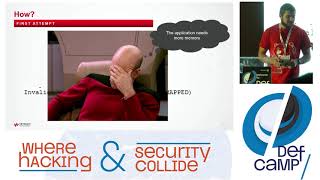
Emulating Packed Linux Malware Using the Unicorn Emulator Framework - DefCamp - 2019
Explore Linux malware packing, unpacking techniques, and emulation using Unicorn framework. Learn practical skills for malware analysis and reverse engineering in this hands-on cybersecurity talk.
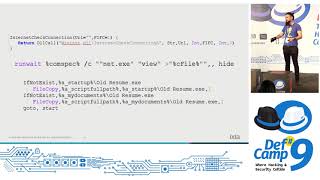
AutoHotKey Malware – The New AutoIT - DefCamp - 2018
Explore AutoHotKey malware, its unpacking, encoding, and exfiltration techniques. Learn about detection rates, ClipBanker, Steam stealing, and compare AutoHotKey with AutoIT in this cybersecurity talk.
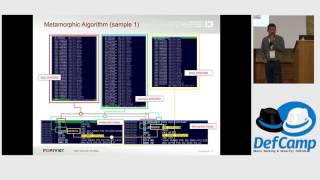
Reversing a Polymorphic File-Infecting Ransomware - DefCamp - 2016
Explore techniques for reversing polymorphic file-infecting ransomware, covering debugging tools, malware types, and decryption methods in this hands-on cybersecurity talk from DefCamp 2016.
Why Nation-State Malwares Target Telco Networks - DefCamp - 2015
Explore nation-state malware targeting telco networks, covering network architecture, interfaces, service enumeration, and core GPRS networks. Gain insights into cybersecurity threats in telecommunications.
Barncat - Using MISP for Bulk Surveillance of Malware
Explore MISP for large-scale malware surveillance, focusing on config extraction, analysis techniques, and practical applications in cybersecurity threat intelligence.
Let's Play with WinDBG & .NET
Explore automated .NET analysis using WinDBG, focusing on PowerShell scripts and .NET packer unpacking. Gain practical insights through live demonstrations and real-world case studies.
When Crypto Fails
Exploring real-world cryptographic failures in malware, this talk offers insights into identifying and potentially exploiting these vulnerabilities, with practical examples and a useful triage tool.
Interesting Malware - No, I’m Not Kidding
Explore the intriguing CheshireCat malware family, its unique traits, and stealth tactics. Learn about its decade-long operation, retro coding style, and functional obfuscation techniques.
Where Should I Host My Malware?
Explore IoT vulnerabilities, focusing on FTP services in routers and NAS devices. Learn about ScanR framework, malware analysis, and protective measures against these widespread threats.
Exploit Generation and JavaScript Analysis Automation with WinDBG
Automate exploit generation and JavaScript analysis with WinDBG. Learn techniques for creating exploits from PoC crashes and tracking obfuscated JavaScript without triggering anti-debugging measures.
The Metabrik Platform - Rapid Development of Reusable Security Tools
Explore the Metabrik Platform for rapid security tool development. Learn to create reusable components, improve existing tools, and solve complex security challenges efficiently.