Plato's Arguments for the Immortality of the Soul - Part 3 - Lecture 8
Explore Plato's argument for soul immortality through simplicity, examining objections and analogies. Delve into philosophical reasoning on the nature of the soul and its potential indestructibility.
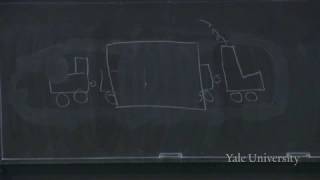
Personal Identity Across Space and Time - The Soul Theory - Lecture 10
Explore the philosophical concept of personal identity across time and space, examining the soul theory and its challenges in understanding what makes us the same person over time.
The Nature of Death and Believing in One's Mortality - Lecture 15
Explores the concept of death, challenging beliefs about mortality through philosophical analysis and literary examples like Tolstoy's Ivan Ilych. Examines the definition of death and our psychological resistance to accepting it.

Fear of Death - Emotional Responses and Philosophical Perspectives
Explore philosophical perspectives on death's impact on life, examining fear, anger, and sorrow as emotional responses, and considering how contemplating mortality can shape our behavior and outlook.
Other Bad Aspects of Death - Part II
Explores death's ubiquity, impact on life's value, and whether contemplating mortality enhances or hinders living. Examines the human condition and potential benefits of confronting or avoiding thoughts about death.

The Rationality of Suicide - Part 1
Explores the rationality of suicide, examining circumstances where ending one's life may be considered logical. Discusses intrinsic value of life, euthanasia, and evaluating life's trajectory in decision-making.
The Morality of Suicide and Course Conclusion - Lecture 26
Explores ethical perspectives on suicide, examining utilitarian and deontological views, consequences, and moral considerations. Concludes with a course summary on philosophical approaches to death.

Plato's Arguments for the Immortality of the Soul - Part II
Explore Plato's arguments for the soul's immortality, including the nature of forms, recycling, and recollection. Delve into philosophical reasoning on non-physical entities and their implications.

Morality and Emotion - Experts in Emotion Series with Jonathan Haidt - Lecture 11.1a
Explore morality and emotion with Dr. Jonathan Haidt, discussing core themes in his research, future discoveries, and advice for aspiring emotion researchers in this insightful interview.

Arguments for the Existence of the Soul - Part I
Explore philosophical arguments for the soul's existence through inferences to best explanation, examining physicalist and dualist perspectives on the mind and potential evidence for the soul.
The Value of Life and Bad Aspects of Death - Lecture 20
Explores philosophical theories on the value of life and examines aspects contributing to the badness of death, including inevitability, variability, and unpredictability.

Introduction to Plato's Phaedo - Arguments for the Existence of the Soul, Part II
Explore arguments for the soul's existence, focusing on free will as a key defense. Delve into dualism vs. physicalism and examine consciousness, emotions, and creativity in machines.
Plato's Arguments for the Immortality of the Soul - Part 4
Explore Plato's arguments for soul immortality, including simplicity, essential properties, and responses to counterarguments. Gain insights into philosophical perspectives on the nature of the soul and its potential indestructibility.
The Value of Life and Immortality - Part 1
Explores the desirability of immortality and theories of well-being, challenging hedonism through thought experiments to understand what makes life worth living and meaningful.

The Badness of Death - Dying Alone and Value Theory - Lecture 16
Explores the concept of dying alone, challenges common beliefs about mortality, and introduces value theory to examine if death is inherently bad. Offers philosophical perspectives on confronting one's own mortality.
Personal Identity: Body Theory and Personality Theory - Part II
Explores philosophical theories of personal identity: body view and personality view. Examines implications of equating identity with physical body or unique set of beliefs, memories, and goals.

Athenian Democracy and the Rise of the Athenian Empire - Lecture 15
Explore the transformation of the Delian League into the Athenian empire, the rise of Athens as Sparta's rival, and the mechanics of Athenian democracy compared to modern American democracy.

The Peloponnesian War - Pericles' Strategy and Criticism - Lecture 20
Examines Pericles' defensive strategy in the Peloponnesian War, analyzing its strengths and weaknesses, and evaluating his effectiveness as a military leader during this pivotal conflict in ancient Greek history.

Don Quixote Part II - Chapters XXXVI-LIII Analysis - Lecture 20
Explore Don Quixote's evolving wisdom, Sancho's governance of Barataria, and the novel's critique of society through the lens of baroque irony and mock utopia.
Don Quixote Part II: Political and Social Commentary - Chapters 22-35
Explore political themes in Don Quixote Part II, including geographic realism, social critique, and character psychology, through key episodes and literary devices used by Cervantes.
Don Quixote Part II - Montesinos Cave and Master Peter's Puppet Show
Análisis profundo de dos episodios clave en Don Quijote: el descenso a la cueva de Montesinos y el retablo de Maese Pedro, explorando temas literarios, crítica social y técnicas narrativas de Cervantes.