
Introduction to the Old Testament
This course examines the Old Testament (Hebrew Bible) as an expression of the religious life and thought of ancient Israel, and a foundational document of Western civilization.

The Apocryphal Jesus - The Cult of Mary
Explore Mary's evolution in early Christian apocrypha, from her portrayal in canonical gospels to her elevated status as leader among saints, uncovering her unique role in Christianity.

The Writer and the Critic - Marilynne Robinson and James Wood in Conversation
Pulitzer Prize-winning author Marilynne Robinson engages in a thought-provoking dialogue with literary critic James Wood, exploring literature, religion, and contemporary issues in American culture.
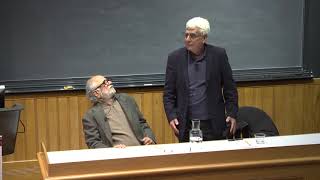
Jerusalem: What Sharing a City Means
Explore Jerusalem's complexities through a thought-provoking dialogue between Sari Nusseibeh and Homi Bhabha, delving into the challenges and possibilities of sharing this historic city.

Biblical Narrative: The Stories of the Patriarchs in Genesis 12-36 - Lecture 6
Explore the patriarchal narratives in Genesis, examining scholarly views, divine covenants, and key themes like Abraham's call and Jacob's transformation into Israel.

Israel in Egypt: Moses and the Beginning of Yahwism - Lecture 7
Explore the origins of Yahwism, Moses' role, and the Exodus narrative in this lecture on early Israelite religion, examining key biblical stories and scholarly perspectives.

Biblical Law: The Three Legal Corpora of JE, P, and D - Lecture 10
Comparative analysis of biblical law with Ancient Near Eastern legal traditions, highlighting unique features of Israelite law attributed to divine authorship.
Hebrew Prophecy: The Non-Literary Prophets - Lecture 15
Explore Israelite prophecy, including ecstatic prophecy, prophetic guilds, and the roles of non-literary prophets in biblical historical books as God's zealots, kingmakers, and the king's conscience.
Literary Prophecy: Perspectives on the Exile - Jeremiah, Ezekiel and Second Isaiah - Lecture 19
Explore prophetic perspectives on Israel's exile, focusing on Ezekiel's vivid denunciations, God's withdrawal from Jerusalem, and Second Isaiah's universal interpretation of suffering.

Literary Prophecy: Hosea and Isaiah - Lecture 17
Exploración de los profetas Oseas e Isaías, sus contextos históricos, temas principales y énfasis en los pactos mosaico y davídico en el Antiguo Testamento.

Literary Prophecy: Micah, Zephaniah, Nahum, Habakkuk, and Jeremiah - Lecture 18
Explore literary prophecy in the Old Testament, examining Micah, Zephaniah, Nahum, Habakkuk, and Jeremiah. Analyze their structures, themes, and unique features, gaining insights into ancient Hebrew prophetic literature.

Responses to Suffering and Evil - Lamentations and Wisdom Literature - Lecture 20
Explore Lamentations and Wisdom Literature in the Hebrew Bible, examining divine justice, suffering, and morality through Proverbs, Job, and Ecclesiastes. Gain insights into ancient Near Eastern wisdom traditions.

The Restoration: Chronicles, Ezra and Nehemiah - Lecture 22
Explore biblical poetry, Song of Songs, and post-exilic Jewish history through Chronicles, Ezra, and Nehemiah. Examine religious reforms, covenant renewal, and social changes during the Persian-era restoration of Judah.

Introduction to the Old Testament: Doublets, Contradictions, and Biblical Authorship - Lecture 4
Explore Genesis stories like Cain and Abel, the Flood, and creation, examining their themes, contradictions, and connections to other ancient narratives. Gain insights into biblical authorship and composition.

Biblical Poetry: Psalms and Song of Songs - Lecture 21
Explore biblical poetry, focusing on Psalms and Song of Songs. Delve into the Writings section, examining themes of suffering and evil through canonical criticism and analysis of Ecclesiastes and Psalms.

Visions of the End: Daniel and Apocalyptic Literature in the Old Testament - Lecture 23
Explore apocalyptic literature in the Hebrew Bible, focusing on the Book of Daniel and its themes of divine intervention, eschatology, and the struggle between good and evil.
Paul's Disciples - Pseudepigraphic Letters to Colossians and Ephesians
Explore the pseudepigraphic letters to Colossians and Ephesians, examining their authorship, content, and theological differences from Paul's authentic writings.

Flannery O'Connor's Wise Blood - Social Context and Literary Analysis - Lecture 2
Análisis profundo de "Wise Blood" de Flannery O'Connor, explorando contextos sociales sureños, raza, género y crítica literaria, con énfasis en la violencia narrativa y la estructura teológica.

Dante's Paradise XXVII-XXIX - Cosmology, Creation, and Theological Themes
Exploración profunda de los cantos XXVII-XXIX del Paraíso de Dante, analizando temas como la crítica al papado, la cosmología y la creación, con conexiones a personajes del Infierno y reflexiones teológicas.

Dante's Paradise - Cantos IV, VI, and X Analysis
Explore Dante's Paradise cantos IV, VI, and X, examining the interplay of intellect and will, political history, and celestial wisdom through allegorical representations and theological discourse.
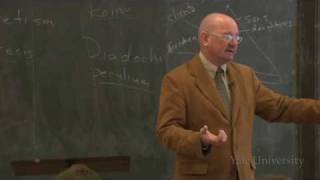
The Greco-Roman World - Historical Context for the New Testament
Explore the historical context of the New Testament, from Alexander's Hellenization to the Roman Empire's influence on early Christianity's spread.